
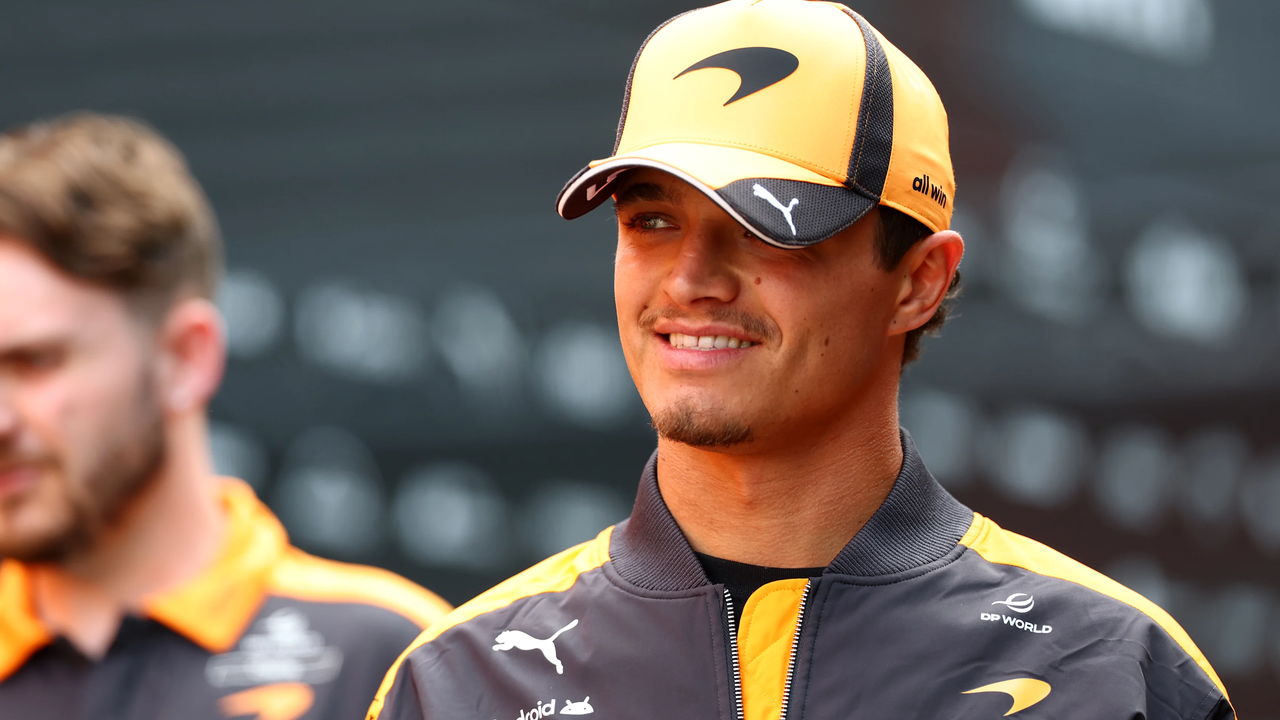
McLaren received access to Mercedes power-unit simulation tools during the 2026 season. Team principal Andrea Stella said access began around the tenth race. The tools support preparation for the Mercedes engine used by both McLaren cars.
Stella discussed the change before the Belgian Grand Prix at Spa. He did not describe private settings, software architecture or individual deployment maps. The confirmed change concerns access to an established Mercedes simulation resource.
McLaren have used Mercedes power units since the 2021 Formula 1 season. The customer agreement supplies engines, but McLaren build and operate their own chassis. The two teams therefore compete with different complete cars.
Stella placed the new access around round ten of the 2026 calendar. He presented it as an improvement in McLaren’s preparation process. He did not claim that McLaren received a new engine specification.
The public explanation covered the tools’ purpose, but not their internal design. McLaren did not publish detailed settings or individual deployment maps. Only the new access and its timing are confirmed.
The resource supports preparation before each car reaches the circuit. Engineers can compare expected energy use across one complete lap. Track running then provides separate data from the real car.
Mercedes still operates its own Formula 1 team against McLaren. Sharing supplier tools does not combine their chassis work. Race strategy and final car performance remain separate responsibilities.
Mercedes opened the simulation tools before Spa
Spa-Francorchamps measures 7.004 kilometres and contains several long full-throttle sections. The circuit also climbs steeply after La Source. Power-unit preparation is therefore an important part of every lap.
Electrical deployment changes the assistance available along each straight. Teams prepare those choices before practice and compare them with track data. Stella said the Mercedes tools gave McLaren more information for that work.
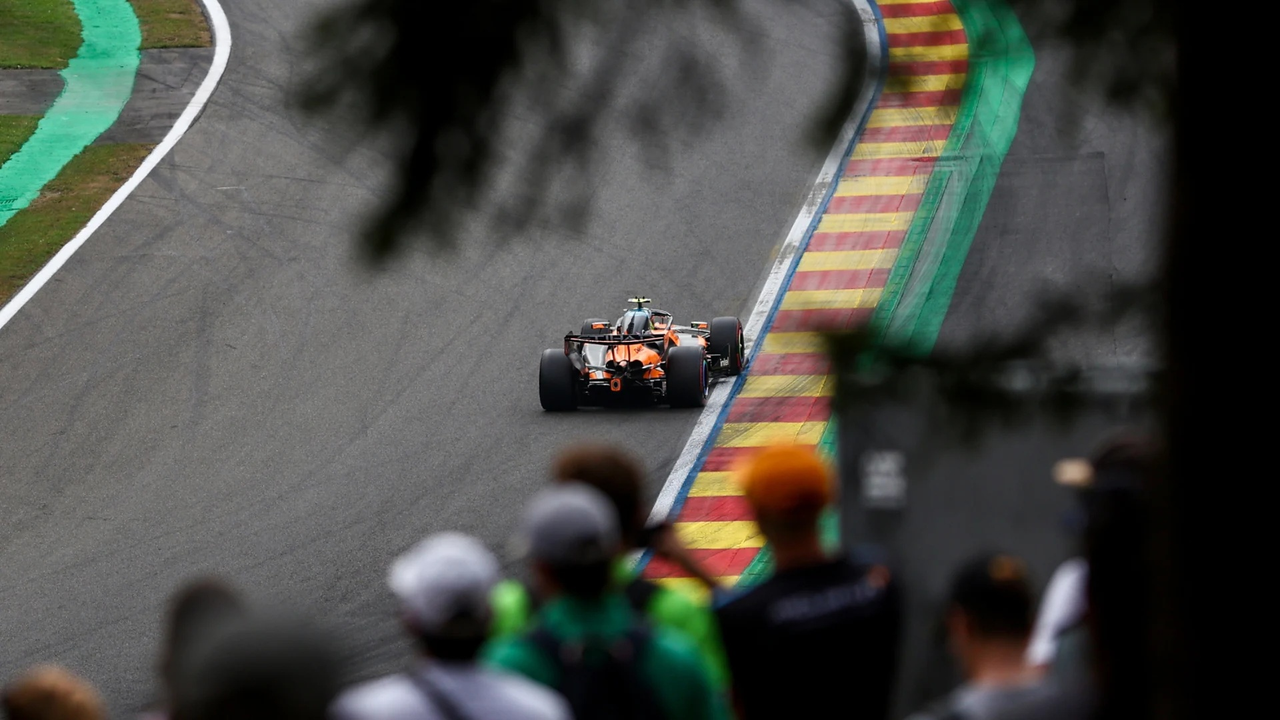
No public statement described exact gear choices or battery targets at Spa. Those details remain private team information. The confirmed point is that McLaren gained access to the supplier’s simulation tools.
The circuit length makes every simulation lap longer than at most venues. Spa measures 7.004 kilometres and contains 19 corners. A small difference can therefore affect several distant sections.
The long climb from Eau Rouge leads directly toward the Kemmel Straight. Other full-throttle sections follow later around the lap. That layout explains the focus on power-unit preparation.
The two McLaren drivers faced different starting positions
Oscar Piastri qualified sixth and kept that position on the starting grid. Lando Norris set the third-fastest qualifying time. A ten-place power-unit penalty moved Norris down to thirteenth.
These grid positions created different races for the two McLaren drivers. Piastri began near the leading group. Norris started among cars with slower qualifying times.
Stella connected part of their weekend difference to power-unit operation. He did not publish the settings used by either driver. McLaren continued using the same Mercedes engine specification in both cars.
The Belgian weekend ended with Kimi Antonelli winning ahead of Charles Leclerc.
Norris lost ten grid places despite qualifying third. His starting position therefore changed from the second row to thirteenth. Piastri remained sixth after qualifying without the same penalty.
The grid difference between the McLarens reached seven positions. Their final difference fell to two places after 44 laps. Both drivers completed the full race distance.
Piastri finished fifth after completing all 44 laps at Spa. He crossed the line 18.988 seconds behind race winner Kimi Antonelli. The result gave Piastri ten championship points.
Norris moved forward from thirteenth and briefly led during the pit cycle. A delayed stop then cost him positions. He finished seventh, 24.014 seconds behind the winner.
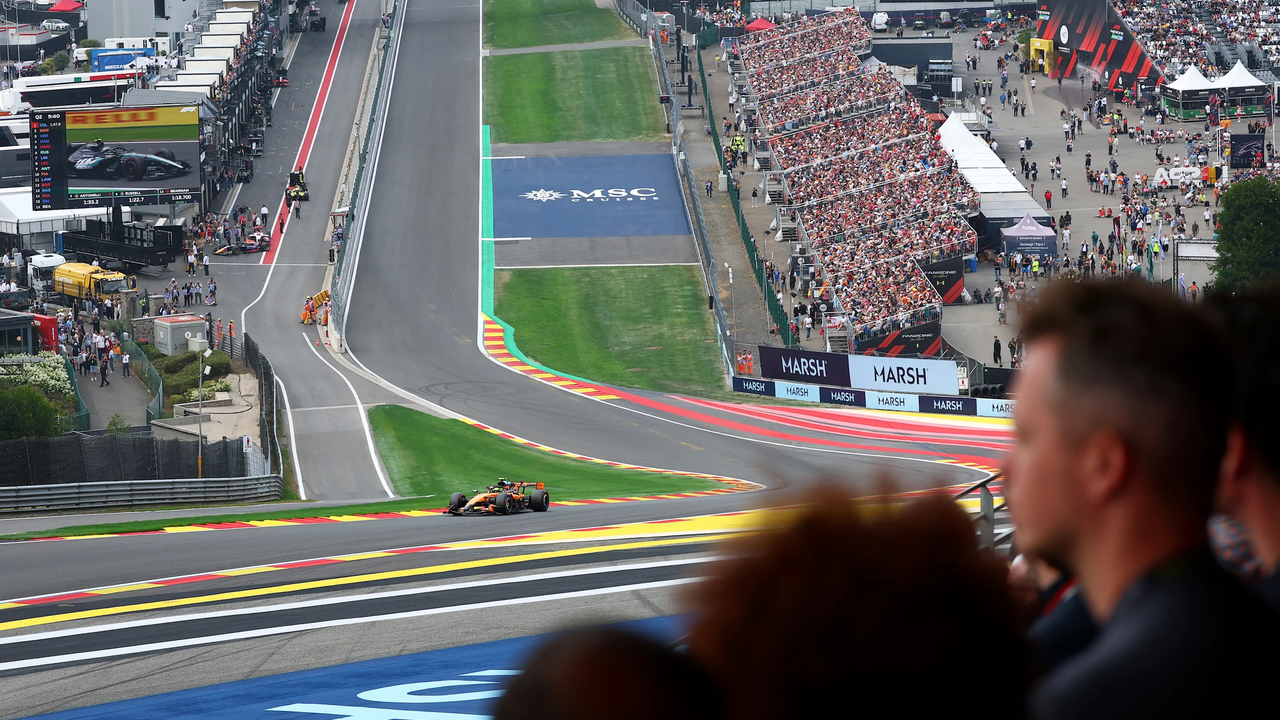
McLaren scored sixteen points from the two cars in Belgium. Piastri gained one place from his grid position. Norris gained six places after serving the grid penalty.
Piastri earned ten points and Norris added six. Their combined total came without fastest-lap bonus points. Both cars also remained on the lead lap.
Only 5.026 seconds separated the McLarens at the finish. Piastri remained ahead after starting seven places closer to pole. Norris recovered most of the penalty through race position.
McLaren recorded fifth and seventh at Spa
The Belgian result records positions, gaps and points. It cannot isolate the effect of one simulation tool. Tyres, traffic, pit stops and driver performance also influenced the final order.
McLaren did not claim the new access guaranteed a podium or victory. Stella described better preparation, not a measured lap-time gain. No verified number was attached to the software change.
That distinction prevents a technical update from becoming an unsupported performance claim. The access is confirmed. Its exact contribution to fifth and seventh place is not public.
McLaren leave Belgium with both cars in the points
Norris now has 103 points and holds fifth in the drivers’ standings. Piastri follows with 92 points in sixth. Both remain ahead of several race winners from recent seasons.
The next round takes place in Hungary from July 24 to 26. McLaren will continue using Mercedes power units there. The team also retains access to the simulation tools described by Stella.
Belgium supplied the first detailed public explanation of that access. The race then produced two measurable results. Piastri finished fifth and Norris recovered to seventh.
The tools remain available for later rounds with the Mercedes power unit. McLaren reported no temporary limit linked only to Spa. Their exact performance contribution remains private.


No Comments