
Formula 1 teams have used superhero films for several unusual race-weekend promotions. Some changed the car’s livery, while others brought actors and costumes into the paddock. The best examples connected a clear visual idea with a specific Grand Prix.
These campaigns belong to different eras of the sport. Older teams could make larger one-race changes to their cars. Modern partnerships often use digital content, garage displays and driver clothing instead. The common aim is easy recognition without changing the sporting work.
Monaco offered the strongest setting for special liveries
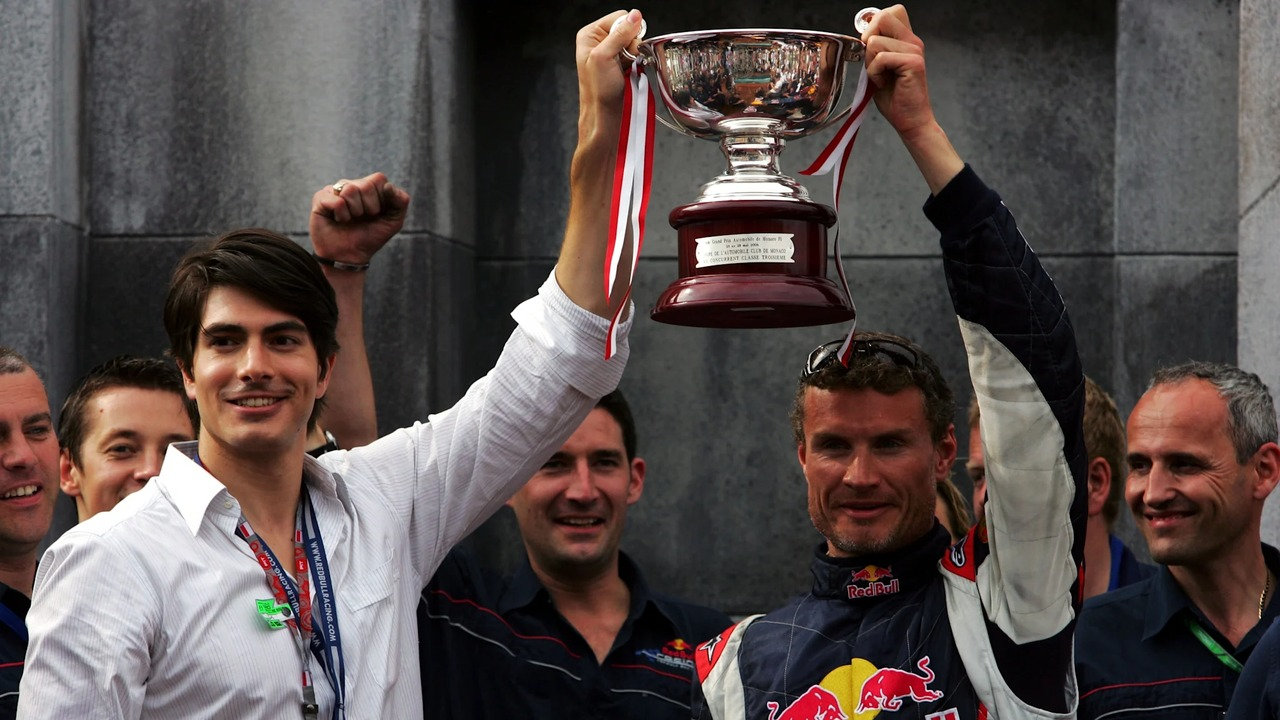
Monaco has often attracted film promotions because the event receives wide attention beyond motorsport. Teams used the harbour, narrow streets and evening functions as a natural background. A special design could be seen clearly during practice and qualifying. Red Bull once connected a Superman film with a one-off car appearance. The branding remained readable at speed because it used familiar colours and a simple symbol. Drivers and team members also joined the promotion away from the cockpit.
Another Monaco campaign linked Star Wars characters with the race weekend. Costumes appeared around the garage and grid. The visual worked because viewers understood it immediately, even without a long explanation.
Team clothing sometimes carried the main idea
A car livery is difficult to change during a busy season. Clothing gives a team more freedom and keeps technical surfaces clear. Drivers can wear themed overalls, helmets or caps during selected public sessions. Helmets are especially useful because they already allow personal designs. A film symbol can appear without covering sponsor positions on the car.
The driver still needs approval under the event’s equipment rules.
Clothing also gives photographers a close view of the promotion. A small detail on a rear wing may disappear in television pictures. A clear emblem on a helmet or race suit remains visible during interviews and the grid walk.
Actors and props brought the campaign into the paddock
Several promotions included cast members as race guests. Their presence created photographs that joined the film and the team without altering the car. Paddock access also allowed short interviews and controlled video pieces. Large props require careful planning because the garage is a working area. Engineers need clear access to equipment and tyres. Promotional items therefore stay in selected zones or appear only before competitive sessions begin.
The strongest activations respected that separation. Guests could meet drivers and see the cars, while mechanics kept normal space around the machines. The event remained a Grand Prix rather than a film set.
A good design remains readable at racing speed
Formula 1 cars move too quickly for complicated artwork. Large shapes and strong colour contrast work better than small text. Television cameras also see the car from many angles, so the idea needs more than one useful surface. Teams test promotional liveries in digital models before production. They check sponsor visibility, number placement and camera views. Paint and vinyl are designed for heat, airflow and repeated work inside the garage.
The result can look simple even when preparation was detailed. That simplicity makes the idea easier to recognise. Viewers remember one clear symbol more easily than a car covered with several unrelated references.
The promotions became part of Formula 1’s visual archive
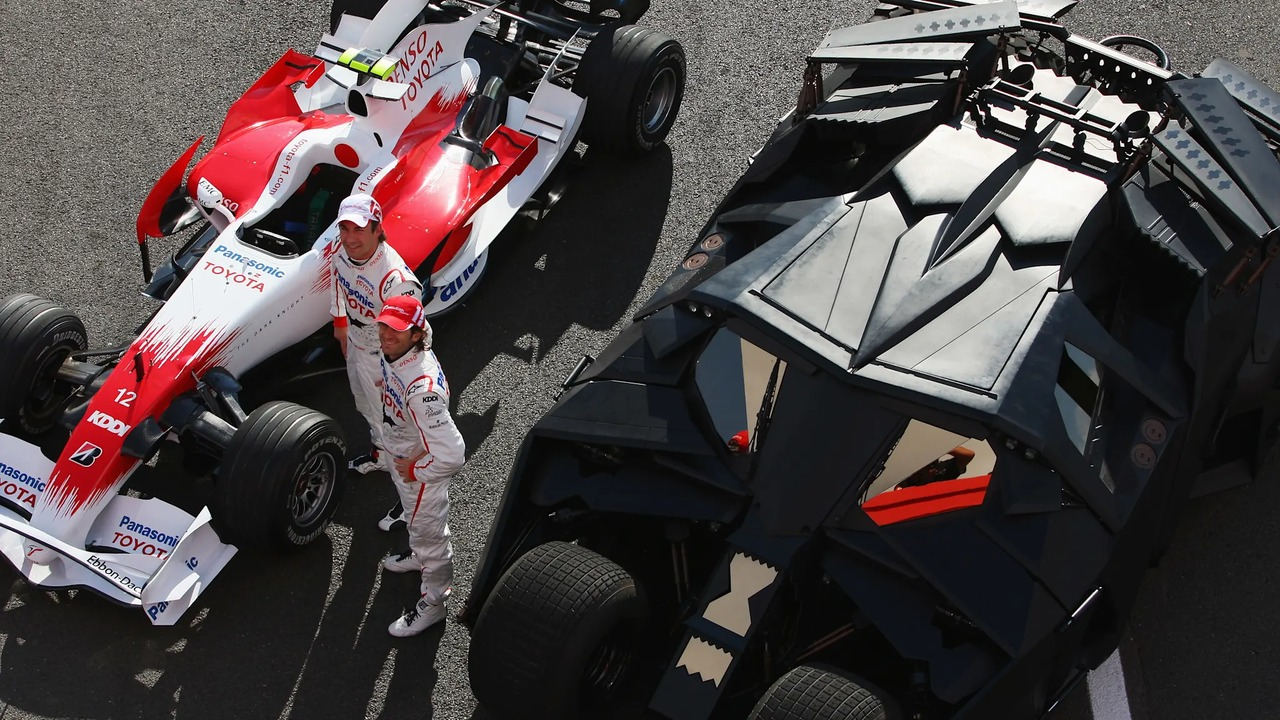
One-race designs are remembered because they differ from a team’s normal identity. Photographs preserve the exact circuit, drivers and season. Fans can identify the event from colours that appeared only once. Modern teams now reach large audiences through social platforms as well as television. A promotion can continue after the race through short videos and behind-the-scenes photographs. The physical car remains the centre of the campaign.
Nine superhero examples show how Formula 1 has mixed sport and cinema without changing the competition. The memorable campaigns used people, cars and simple imagery. They left the engineering work visible while giving one weekend a different appearance.
Special campaigns still follow sporting regulations
A promotional design cannot hide the driver’s number or required safety markings. Teams submit visual changes through the normal approval process. Officials, broadcasters and spectators still recognise the car. Added film or vinyl remains secure at high speed. Loose material can affect airflow or create debris. The production team works with race engineers before anything reaches the bodywork.
Driver helmets follow their own technical and approval requirements. A themed design uses the same certified shell and protective structure. Only the approved external artwork changes for the event. These limits explain why the strongest campaigns use simple ideas. They add a visible connection without interfering with safety or team operations. The promotion succeeds when the car still looks ready to race.
No Comments