
Formula 1 returns from its summer break with thirteen Grands Prix still to run. The opening eleven rounds established the leading drivers, but they did not settle the championship. Different circuits and several Sprint weekends can change the order quickly.
The races after the break also test the new 2026 cars in a wider range of conditions. Teams now understand their packages better than they did in March. The next events reveal which factories turned early lessons into useful development.
The drivers’ championship remains open
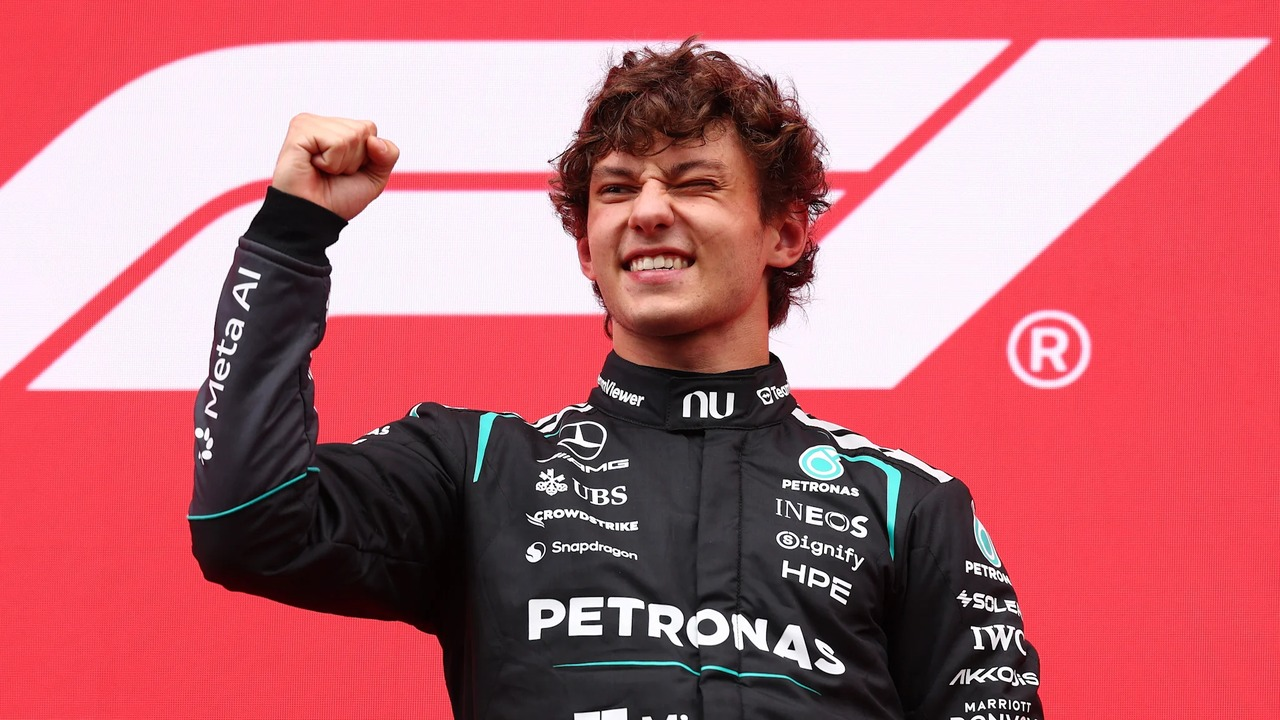
Andrea Kimi Antonelli leads the contest after a strong opening eleven rounds. Lando Norris, Charles Leclerc and other race winners remain close enough to apply pressure. One retirement can remove a large part of any advantage. The leading drivers have reached their positions in different ways. Some built points through regular podiums. Others combined victories with weekends where the car was harder to manage.
Consistency now matters more because the remaining races arrive in long sequences. A driver who limits damage on a weak circuit can protect the benefit of a later victory. The title will reward complete weekends rather than isolated speed.
Development moves from discovery to refinement
Teams began 2026 with new power units, different aerodynamics and changed energy management. Early upgrades often addressed basic balance problems. Later packages can target smaller losses that only became clear after several races. Factory work also operates under the cost cap and production schedule. A promising idea is useless if it arrives after the relevant circuit. Teams therefore choose carefully between immediate performance and a broader package for several venues.
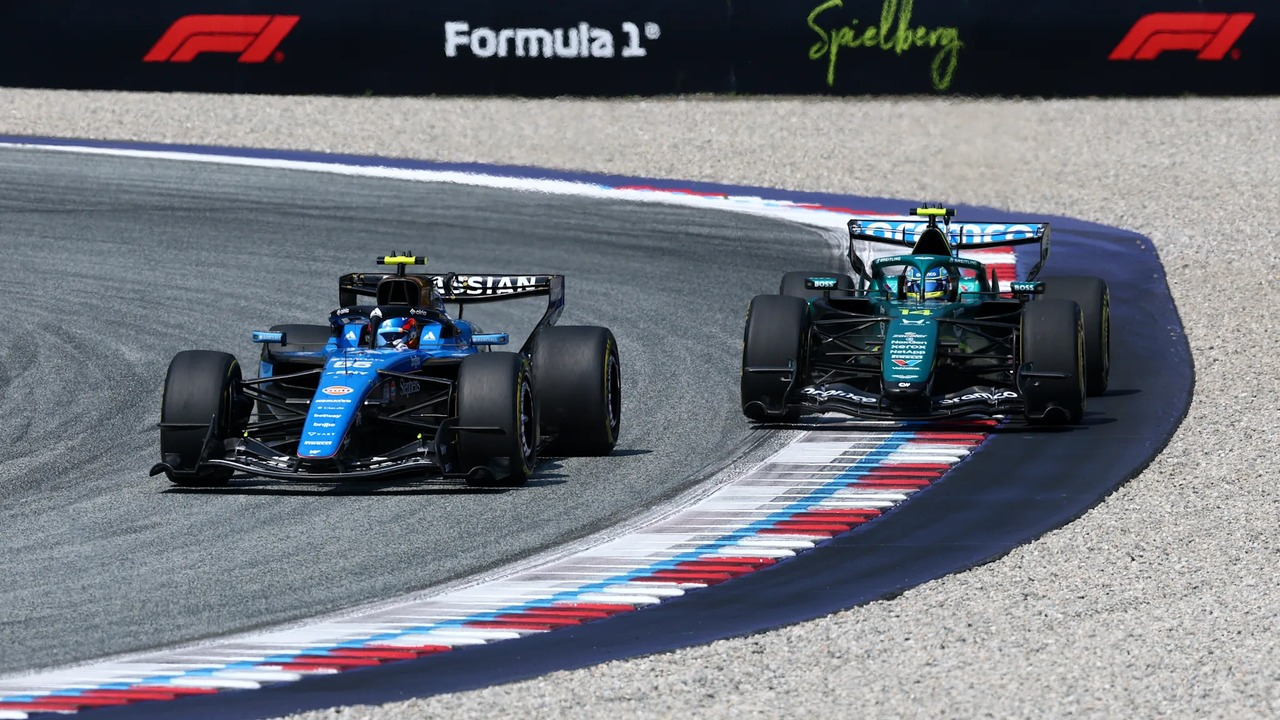
The strongest teams already have useful base cars. Their task is to improve without losing the qualities that produced points. Midfield teams can take larger steps because a single upgrade may change several close positions.
Rookies now face circuits they know from other series
New drivers spent the opening rounds learning Formula 1 procedures as well as the cars. Many remaining venues are familiar from junior categories or previous testing. That knowledge can shorten the preparation process. Familiarity does not remove every challenge. Formula 1 braking, energy deployment and tyre management create different demands. A rookie still learns how the current car responds over a full Grand Prix distance.
Teams can now judge progress against a larger sample. Qualifying gaps, long-run pace and technical feedback all matter. The strongest rookie performances will combine speed with fewer repeated errors.
The calendar changes character after Europe
Zandvoort and Monza close the main European sequence before the paddock travels again. Later rounds include street circuits, hot venues and events held under floodlights. Each change affects preparation and recovery. Low-downforce Monza follows Zandvoort’s banked and narrow layout. That immediate contrast tests the range of every car. A setup direction that works at one venue offers little guarantee at the next.
Long-distance travel also affects staff and equipment. Teams plan freight movements months in advance. Drivers use sleep schedules and controlled training to reduce the effect of repeated time-zone changes.
- Thirteen Grands Prix remain after the break.
- Zandvoort opens the remaining schedule.
- Monza follows with a low-downforce test.
- Sprint weekends add another scoring session.
Sprint weekends can move both championships
A Sprint weekend contains fewer practice laps and two competitive starts. Teams choose a setup direction quickly. An early setup error can influence qualifying, the Sprint and the Grand Prix. The extra points create opportunity for drivers chasing the leaders. They also increase risk because contact can damage parts before the main race. Calm decisions are especially valuable when the schedule leaves little repair time.
Thirteen Grands Prix provide enough distance for several changes in momentum. The opening rounds supplied evidence for each contender. The remaining races reveal who can repeat strong execution across very different circuits.
Reliability can move the order without a pace change
The new technical rules place heavy demands on power units and energy systems. A small fault can remove a car that had enough speed for the podium. Teams therefore balance performance with component life across the remaining rounds. Grid penalties may also appear when a driver exceeds the season allocation. The timing of a change matters. A team can choose a circuit where overtaking is easier, but an unexpected failure can remove that choice.
Pit-stop reliability belongs in the same picture. A slow wheel change costs track position even when the car runs perfectly. Close championships often turn on complete operations rather than one area of design. The second half gives every department fewer chances to recover a lost result. Drivers, mechanics and strategists need the same level of execution. Raw speed remains important, but points are awarded only after the car reaches the finish.

No Comments