
Honda Racing Corporation says the full scale of its 2026 power-unit problems became clear in January. The admission concerns the engine programme built for Aston Martin’s first season as a works partner.
Engineers had identified individual risks earlier in development. Their combined effect became clear when the complete car began pre-season track testing.
The complete car exposed problems that separate tests missed
A power unit can complete many tests before it is installed in the final chassis. Bench work measures reliability, temperature and output under controlled conditions. The complete car adds another group of loads. The engine, battery, gearbox and chassis transfer forces between each other while the driver accelerates and brakes. Honda encountered abnormal vibration when the Aston Martin package ran together. The vibration damaged battery components and reduced the mileage available during winter testing.
Limited mileage then slowed every other part of preparation. Engineers had fewer long runs for checking cooling, energy recovery and race reliability. The problem was not one simple broken part. Honda and Aston Martin needed to trace how vibration moved through the complete installation. Senior managers therefore received a clearer picture only after the assembled package reached the track. January became the point when separate concerns formed one larger programme.
Honda rebuilt its Formula 1 group after leaving in 2021
Honda officially withdrew from Formula 1 after the 2021 season. It continued technical support for Red Bull, but many people from the original works group moved elsewhere. The company later committed to the new 2026 regulations with Aston Martin. That decision required a fresh power unit and a rebuilt engineering organisation. Several experienced staff members did not return to the project. Honda recruited and trained replacements while designing for rules that changed the balance between combustion and electrical power.
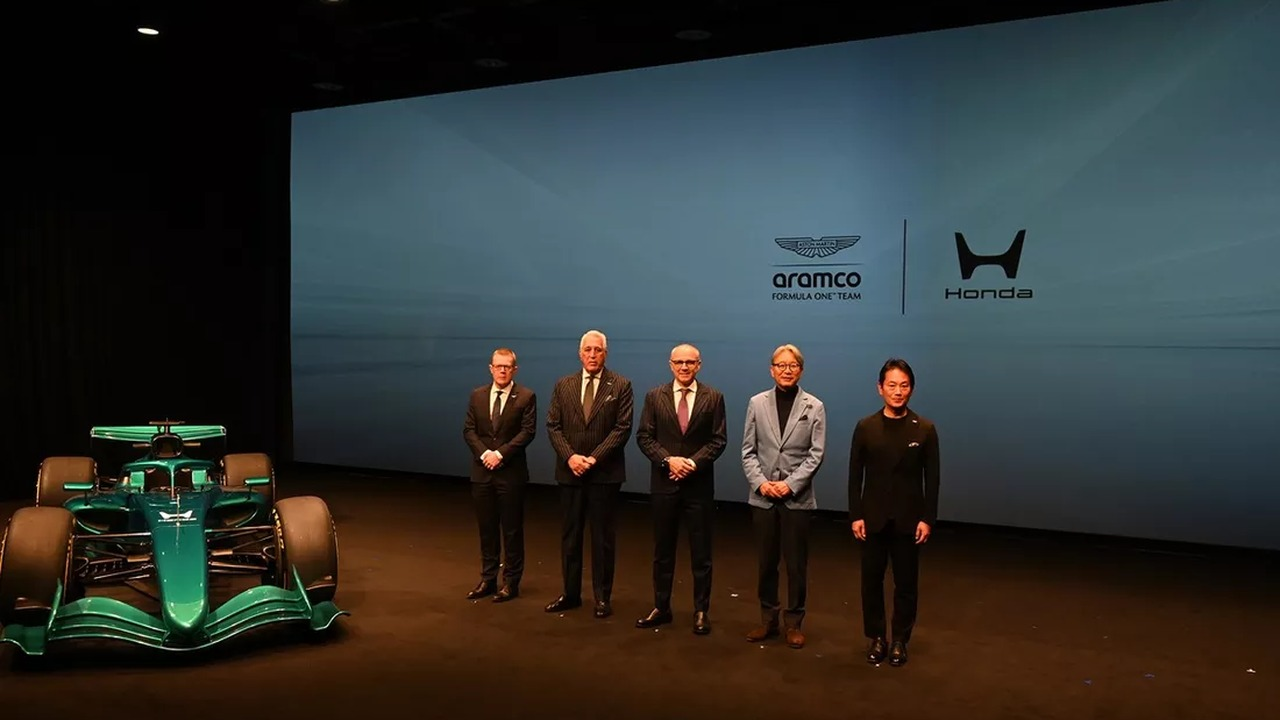
The new programme therefore started from a different position than the successful Red Bull partnership. Knowledge remained, but the same group was not simply restarted. Aston Martin also designed its first car around Honda hardware. Both organisations had to agree packaging, cooling and control systems before physical running began. The January discovery showed that planning data had not captured every interaction. Track mileage became necessary for understanding the real scale of the work.
Early reliability trouble restricted Aston Martin’s season
Aston Martin completed few laps during parts of pre-season testing. Battery damage and vibration made long stints especially difficult. The same concerns followed the team into the opening races. Fernando Alonso and Lance Stroll retired from several early events, while the engine ran below its intended performance. Honda worked with Aston Martin on changes to the complete installation. One car also remained in Japan after the Suzuka round for detailed factory investigation.
The work improved reliability before the Miami weekend. Both cars completed more running, giving the engineers better information about performance beyond the original vibration problem. Solving the first failure did not remove the wider deficit. Honda still needed more combustion power and stronger energy use across a full lap. The team reached the summer break with only limited results. The opening months were shaped by the late understanding described by Honda.
An upgraded unit is planned for the return at Zandvoort
Honda plans to introduce its first upgraded power unit after the summer break. The revised specification is due to appear at the Dutch Grand Prix. Aston Martin has also improved the AMR26 chassis. A major revision in Hungary helped the cars compete more closely with the midfield. The two programmes are related but remain separate. A stronger chassis cannot replace missing engine output, while more power cannot correct every balance problem.
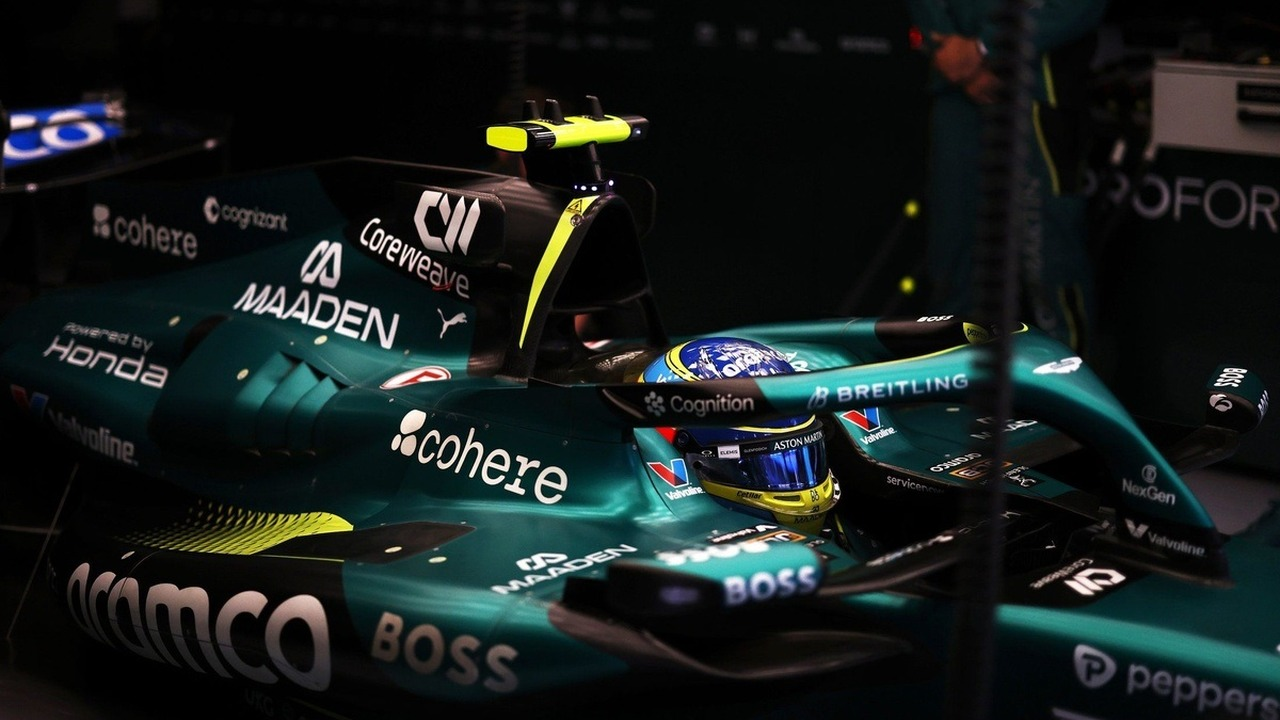
Zandvoort provides the next track data for the revised parts. Honda can compare those runs with the difficult package used before the break. Honda’s admission explains the late start to that recovery. Management did not fully understand the combined challenge until January running exposed it. The next specification is the first major response during the season. Its reliability and usable output will matter more than any estimate made before the cars return.
The new partnership followed a complete factory rebuild
Honda ended its formal Formula 1 programme after the 2021 season. Red Bull continued using the power units through a separate support arrangement. Many specialists then moved to other Honda projects. The Aston Martin partnership required a new Formula 1 group. Honda recruited staff and rebuilt working processes for the 2026 regulations. That effort ran alongside the design of a different power unit. The regulations changed the balance between combustion and electrical power. They also removed the MGU-H used by the previous generation. Every manufacturer faced a new technical package.
Honda’s problem was the combination of that challenge and a smaller experienced group. The January discovery made the remaining schedule tighter. Reliability work then took priority over several performance targets. The Zandvoort upgrade is the next confirmed step in that recovery. Track mileage will show whether the revised unit can support longer runs without the earlier vibration damage.



No Comments