
The FIA does not plan to ban the self-learning controls used by Formula 1 power units. Nikolas Tombazis believes a simple manual system would make straight-line energy loss worse.
Drivers have criticised unexpected changes in electrical deployment. Tombazis accepts their frustration but says the complete system cannot be controlled with one steering-wheel button.
Spa exposed the problem during qualifying
Oscar Piastri lost time on the straights compared with McLaren team-mate Lando Norris. The team initially found almost identical settings on both cars. McLaren later pointed to self-learning elements within the control software. These systems adjust deployment after reading earlier parts of the lap and the driver’s inputs.
Wind, grip and small changes in the driven line can alter those calculations. A driver may then receive less electrical power than expected later on the straight. Piastri said the surprise reduced his control over the qualifying lap. His complaint brought wider attention to a system already understood by teams and engine manufacturers.
A manual on-off system would spend energy too early
Tombazis considered the idea of giving the driver full control through one button. He concluded that drivers would use most available energy immediately after corner exit. That choice would produce strong acceleration for a short period. The battery allocation would then end sooner, causing a larger speed loss before the next braking zone.
Formula 1 describes this early end to deployment as clipping. It is already visible on some long straights under the 2026 regulations. Removing the software would therefore not remove energy limits. It could make their effect clearer and create larger differences during the second half of each straight.

Battery rules add several connected limits
The regulations restrict the energy that teams can deploy and recover during a lap. They also control the change in the battery’s state of charge. Those limits prevent an unrestricted contest to build much larger batteries. Extra capacity would add weight and work against Formula 1’s effort to reduce car mass.
A driver would need to monitor all these values while racing another car. Tombazis does not believe a person can calculate the best answer continuously at full speed. Software handles the connected restrictions faster. The concern is that its answer can feel inconsistent when conditions change between two parts of the lap.
The FIA expects later rebalancing to improve control
Formula 1 plans to adjust the balance between electrical and combustion power in later seasons. A gradual move toward a 60-40 split is planned for 2028. Tombazis believes that change will reduce the severity of the current problem. It will not remove energy management from the regulations or the cockpit.
Piastri has questioned whether the rebalancing will be enough. He believes the issue comes from the basic design of the current power unit formula. The FIA agrees that the system is more complicated than desired. Officials still prefer refinement over a ban that creates stronger clipping.
Driver input still affects every calculation
The algorithms do not operate without the driver. Braking, throttle use, corner speed and steering all influence the energy available later in the lap. Engineers also choose the initial maps and review the result after each run. The system therefore combines planned settings, live inputs and automatic adjustment.
That structure explains why two cars with similar settings can behave differently. Their laps are never identical once traffic, wind and tyre condition are included. The FIA’s current position keeps these controls legal. The same rules also preserve the battery and weight limits.
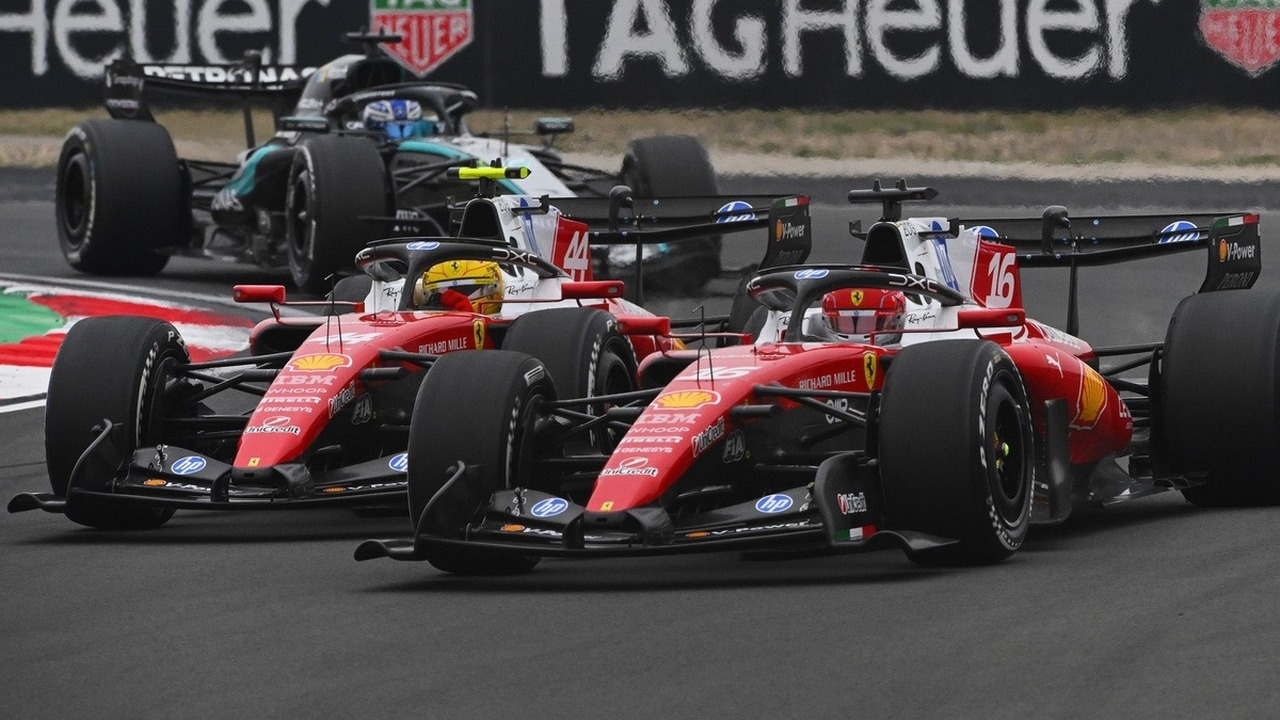
The limits prevent a larger battery race
The regulations control energy storage as well as deployment. A larger unrestricted battery would add weight and create another expensive development contest. Teams therefore work inside limits for stored energy and recovered energy. Software decides how to use that allowance around each lap.
Removing the calculation would not remove the physical limit. It would only leave drivers with a cruder method for spending the same amount. Tombazis said that outcome would increase the risk of power disappearing too early. The regulator prefers to improve the balance while retaining automated management.
A later rules change is already planned
The current power units place a much larger share of responsibility on electrical energy. That balance has created the visible deployment problems. A revision planned for 2028 moves the split toward sixty percent combustion power and forty percent electrical power. The change reduces the demand on each battery charge.
That adjustment addresses the scale of the problem without banning the control systems. Teams would still manage energy, but severe clipping should appear less often. The governing body is therefore using two different tools. Software remains for detailed control, while the later power split changes the underlying demand.
Software manages energy inside fixed technical limits
The algorithms operate within battery, deployment and recovery limits written into the regulations. They do not create extra energy outside those permitted values.
Drivers continue to control braking, acceleration and racing position. The software calculates deployment while those inputs and the available battery level keep changing.

No Comments