
Pirelli begins a two-day Formula 1 tyre test at the Hungaroring on Tuesday. Audi, Alpine and Aston Martin are supporting the programme in Budapest. The work concerns dry-weather tyres planned for the 2027 season.
The test follows the Hungarian Grand Prix at the same circuit. Teams therefore have recent information about the surface and local conditions. Pirelli controls the programme and decides which tyre prototypes each car receives.
Three teams stay in Budapest
The participating teams have kept staff and equipment at the Hungaroring. That arrangement reduces transport after a busy Grand Prix weekend. It also gives Pirelli access to several different car characteristics.
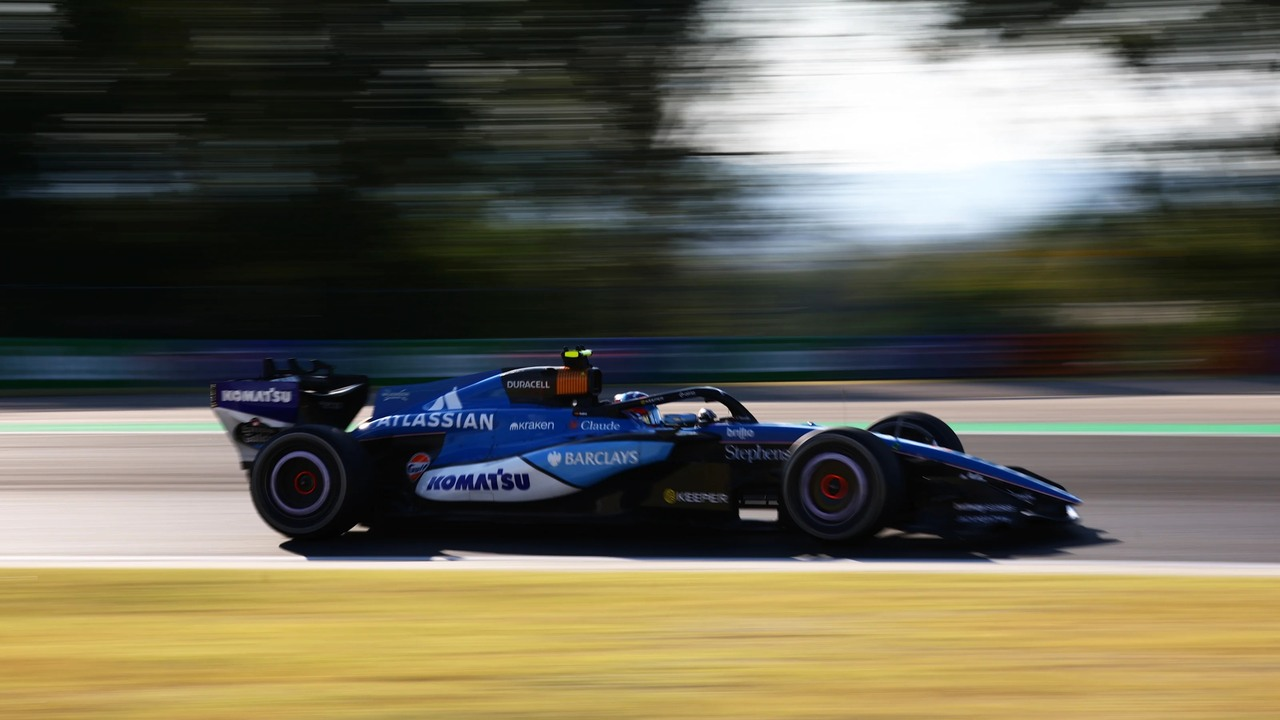
Audi brings a car with its own 2026 power unit package. Alpine supplies another current reference from the Formula 1 grid. Aston Martin supplies the third car after introducing major changes in Hungary.
The teams are testing Pirelli tyres rather than developing their cars. Pirelli writes the schedule and allocates the prototype sets. Drivers receive instructions about lap length, speed and preparation.
Some runs use a fixed pace over several consecutive laps. Others compare short sequences on different prototype constructions. Engineers record pressure, temperature and wear after every planned stint.
Teams share the requested data with Pirelli after each run. The tyre company then checks how each prototype behaved. Competitive setup work remains outside the purpose of the session.
A familiar track provides a stable reference
The Hungaroring gives engineers a useful mix of long and medium corners. Tyres spend much of the lap working under steady lateral load. Several slower sections also reveal traction and warm-up behaviour.
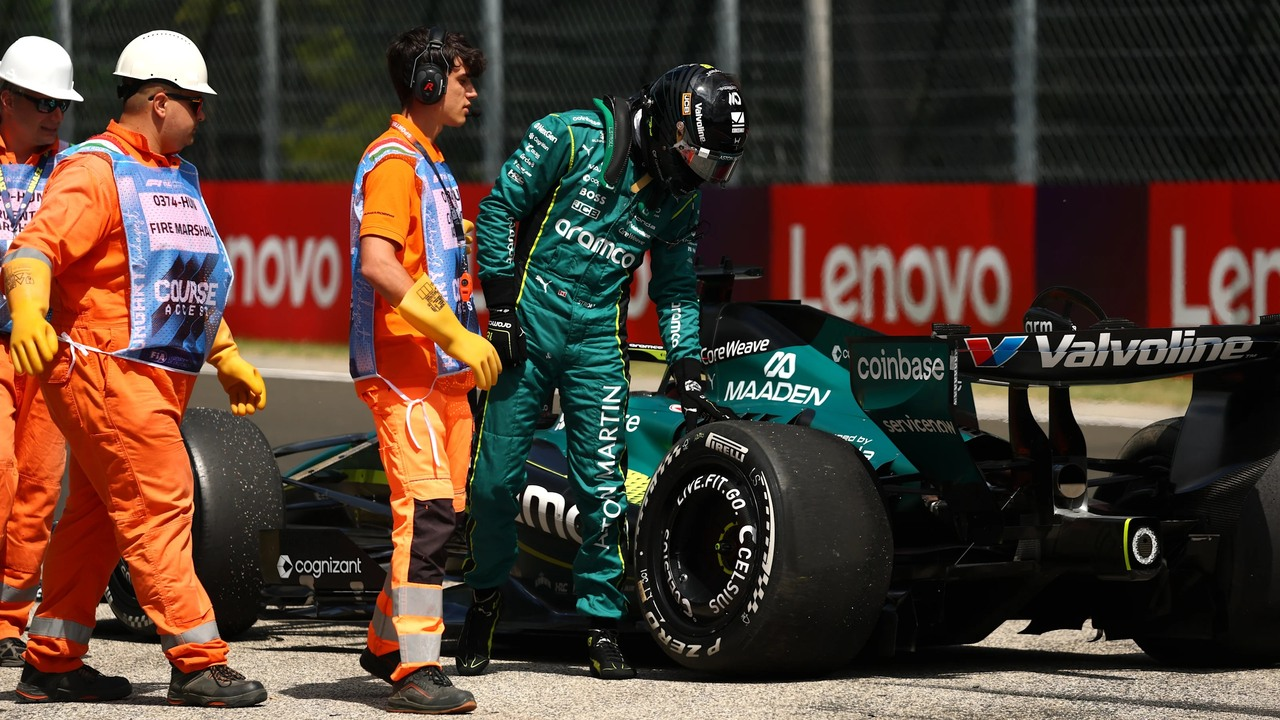
Grand Prix running has already placed rubber across the racing line. Tuesday begins with a more developed surface than a private winter test. Pirelli records the track condition before comparing the planned runs.
Air and asphalt temperatures remain important parts of every tyre test. A compound may behave differently when the surface becomes much hotter. Engineers therefore compare the readings with each completed lap sequence.
The circuit is narrow and contains few long straights. That layout keeps the tyres active through most of the lap. It also limits the cooling time between demanding corner groups.
Recent race data gives Pirelli another point of comparison. The company knows the loads produced by its current specifications. Engineers compare prototype data with measurements from the race weekend.
The 2027 tyre programme moves to the track
Formula 1 tyre development begins long before a new season starts. Construction decisions require track running as well as laboratory work. Compound choices then continue through several tests at different circuits.
The tyre casing provides strength under braking and through fast corners. The rubber compound controls grip and wear on the track. Both parts influence warm-up, consistency and driver confidence.
Pirelli tests more options than Formula 1 will eventually use. Weak candidates leave the programme after their data is reviewed. The strongest versions return for further running under different conditions.
Each participating car provides a slightly different mechanical demand. That difference helps Pirelli avoid relying on one design concept. Every approved tyre will be used by all Formula 1 teams.
The work in Hungary covers only part of the 2027 programme. Later sessions will examine other circuits, temperatures and corner types. Those results will build a wider picture before the final specifications.
| Circuit | Hungaroring |
|---|---|
| Test days | Tuesday and Wednesday |
| Teams | Audi, Alpine and Aston Martin |
| Focus | Dry-weather tyres for 2027 |
Data matters more than lap times
Public lap times reveal little during a controlled tyre test. Cars may carry different fuel loads and follow different run plans. A slower lap still provides the exact data Pirelli requested.
Drivers describe the first response when they turn or brake. They also report changes as the tyres complete more laps. Those comments sit beside the temperature and pressure measurements.
Mechanics inspect every returned set before it leaves the garage. They note visible wear and check the whole tyre surface. Pirelli specialists later conduct a more detailed technical examination.
Consistent runs help separate tyre behaviour from changing track conditions. The programme repeats selected sequences when the schedule allows. Comparable data is more useful than an isolated fast lap.
Tuesday provides the opening sample from the two-day session. Running continues on Wednesday with another planned set of prototypes. Pirelli will combine both days before choosing the next development steps.
Three cars divide the running
Audi, Alpine and Aston Martin provide the cars and track crews. Each team follows a programme written by Pirelli engineers. The tyre supplier decides the compounds, pressures and number of laps.
The drivers complete repeated runs with different prototype sets. Engineers measure tyre behaviour during one timed lap. Longer runs show how grip changes as the rubber wears.
Team engineers still operate the cars and monitor their systems. They share the required tyre data with Pirelli after every run. Competitive setup experiments remain separate from the tyre programme.
Running several cars gives Pirelli more information within two days. Different chassis also place different loads through each tyre. The comparison helps identify behaviour that appears across every car.
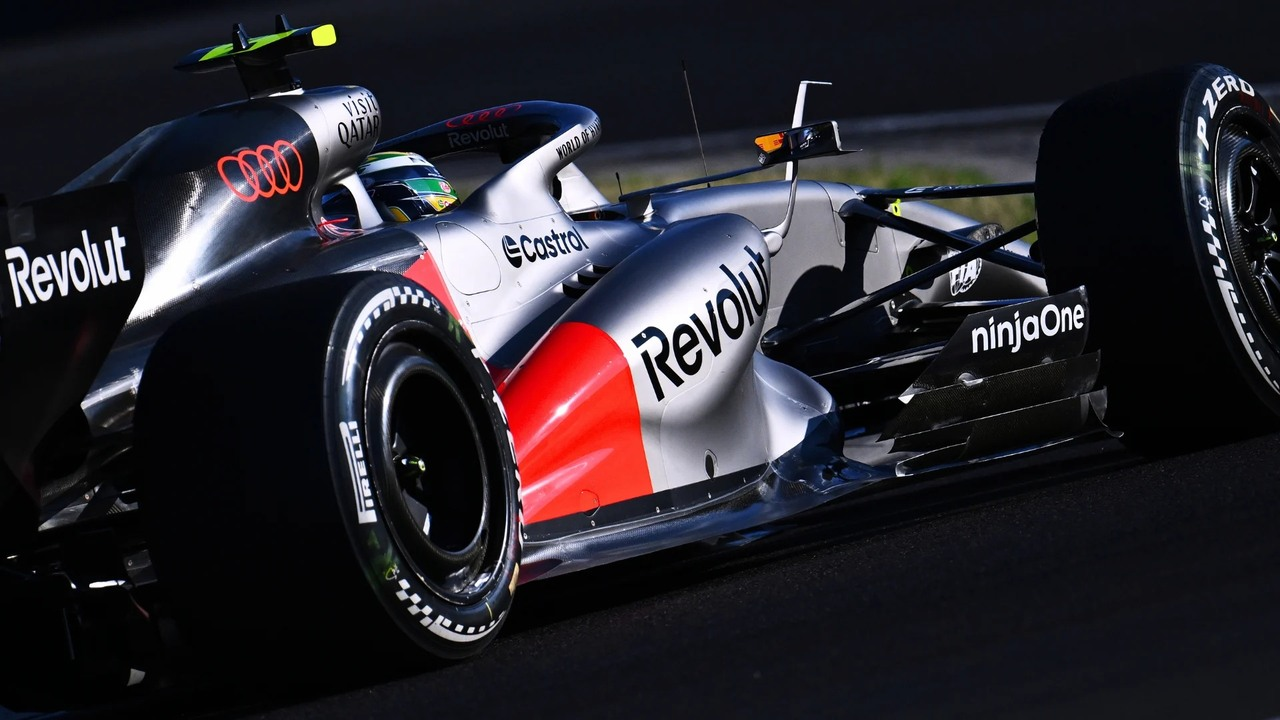
Weather affects the value of each set of laps. Track temperature changes between the morning and afternoon sessions. Pirelli records those conditions beside pressure and wear measurements.
The test begins a longer approval process
A prototype used in Budapest is not automatically selected for racing. Pirelli compares its data with later tests at other circuits. Pirelli removes unsuitable constructions or compounds from the programme.
The Hungaroring contains long corners and several heavy traction zones. Its lap therefore places repeated lateral stress on the tyres. Slow exits also reveal how the rear tyres handle acceleration.
Recent Grand Prix running gives engineers a useful reference point. They already know the surface condition after a full race weekend. That information makes unusual test results easier to investigate.
The 2027 range still requires further track mileage after Budapest. Pirelli will combine those sessions with laboratory work and simulation. The final specification needs formal approval before production begins.
Pirelli records tyre data throughout Tuesday and Wednesday. Public lap times cannot identify the best prototype. The company compares every run before selecting later test items.
Measurements continue after each car stops
Engineers inspect every used set when the car returns to the garage. They measure surface temperature, wear and any visible damage. Those checks are matched with the information recorded on track.
Drivers also describe grip, balance and the way performance changed. Their comments help explain patterns inside the measured data. Pirelli then compares similar runs from all three teams.
The completed sets remain part of the technical review after Budapest. Laboratory examination reveals changes that were not visible outside. That process continues after the circuit has closed.


No Comments