
Aston Martin completed a difficult opening run under Formula 1’s new regulations. Fernando Alonso and Lance Stroll spent much of that period outside the points.
The AMR26 suffered limited winter mileage and persistent vibration. A Hungary update offered a better midfield reference before the summer break.
Winter testing left the team short of mileage
Aston Martin completed the lowest mileage during pre-season running. Chassis and power unit problems reduced the time available for long runs and setup comparisons. Lost winter laps affect more than driver preparation. Engineers also miss chances to test cooling, energy use and component behaviour over a race distance. The team therefore reached the first Grand Prix with fewer completed checks than planned. Problems that might have appeared during testing continued into competitive weekends.
Rival teams developed their cars throughout the same difficult opening period. Aston Martin solved faults while preparing for every new circuit. Aston Martin began the season with less testing mileage than every rival. Mechanical interruptions reduced the long runs needed to check the AMR26 over race distances. The team reached the opening round without enough data from several systems. That shortage affected setup work because engineers had to solve reliability and performance together. A change that improves balance has limited value if the car cannot complete the session. Drivers also need repeated laps to understand tyre behaviour through a full stint. Missing those sequences placed more pressure on every Friday practice. The difficult opening period followed several connected problems rather than one isolated weekend.
Vibration became the central technical problem
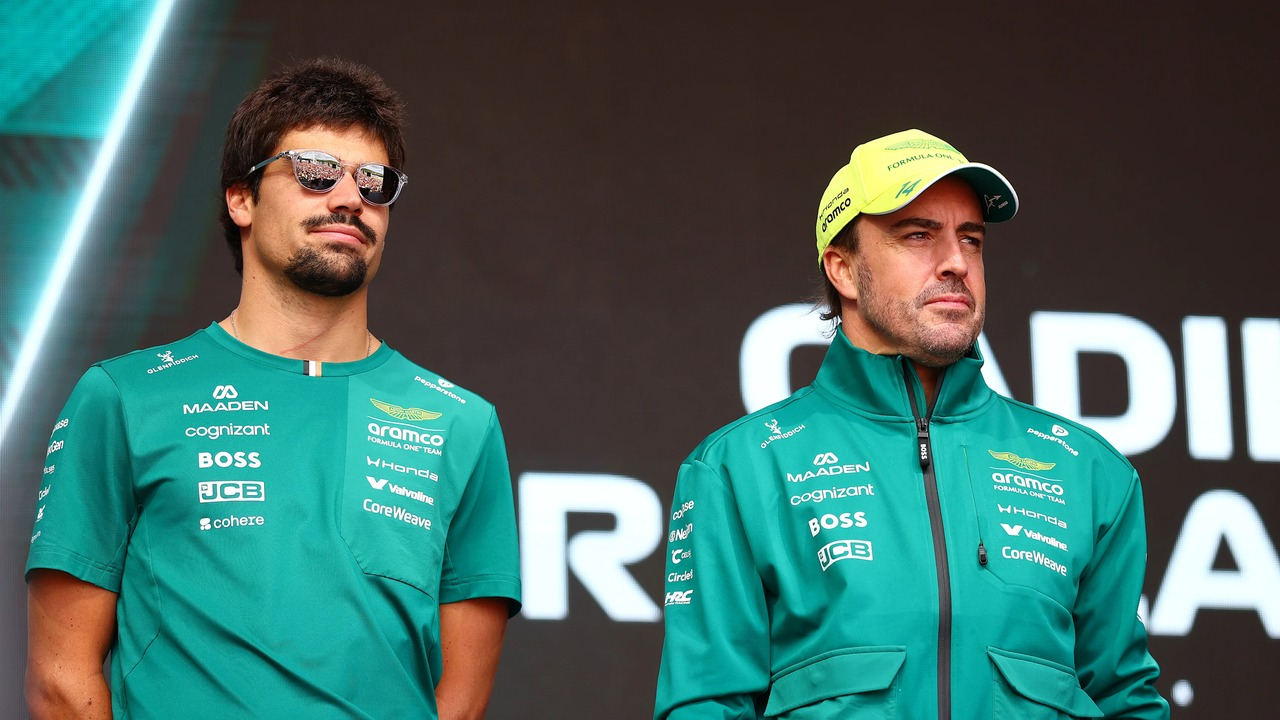
Both drivers reported persistent vibration from the new package. The movement affected confidence and made the car harder to place through several types of corner. Vibration can also complicate the work of sensors and other components. The team had to identify whether each symptom came from one source or several connected areas. Alonso and Stroll provided feedback from separate driving styles. Matching their comments with the recorded data helped engineers narrow the search.
The issue remained visible across different weekends. That consistency made it a priority before the team could extract more normal performance from the chassis. Persistent vibration became a shared complaint from Alonso and Stroll. It affected confidence because the car did not provide a stable reference at turn-in. Vibration can also disturb components, sensors and the driver’s view through quick corners. Engineers compared physical inspections with data from both cars after each run. Separate driving styles helped reveal which symptoms appeared regardless of technique. The work required patience because one visible movement can have several connected causes. Aston Martin could not simply remove performance until the car felt calm. The package still needed enough load and speed to compete with the midfield when reliability allowed.
Monaco produced Alonso’s best finish
Alonso finished tenth in Monaco, his strongest result before the break. The narrow circuit rewarded precise positioning and punished any loss of confidence. The single point did not transform Aston Martin’s place in the standings. It showed the value of completing every session with a stable car.
Alonso has led Stroll nine to two in qualifying comparisons. He also holds a six-to-two advantage across races where both drivers received a direct classification.
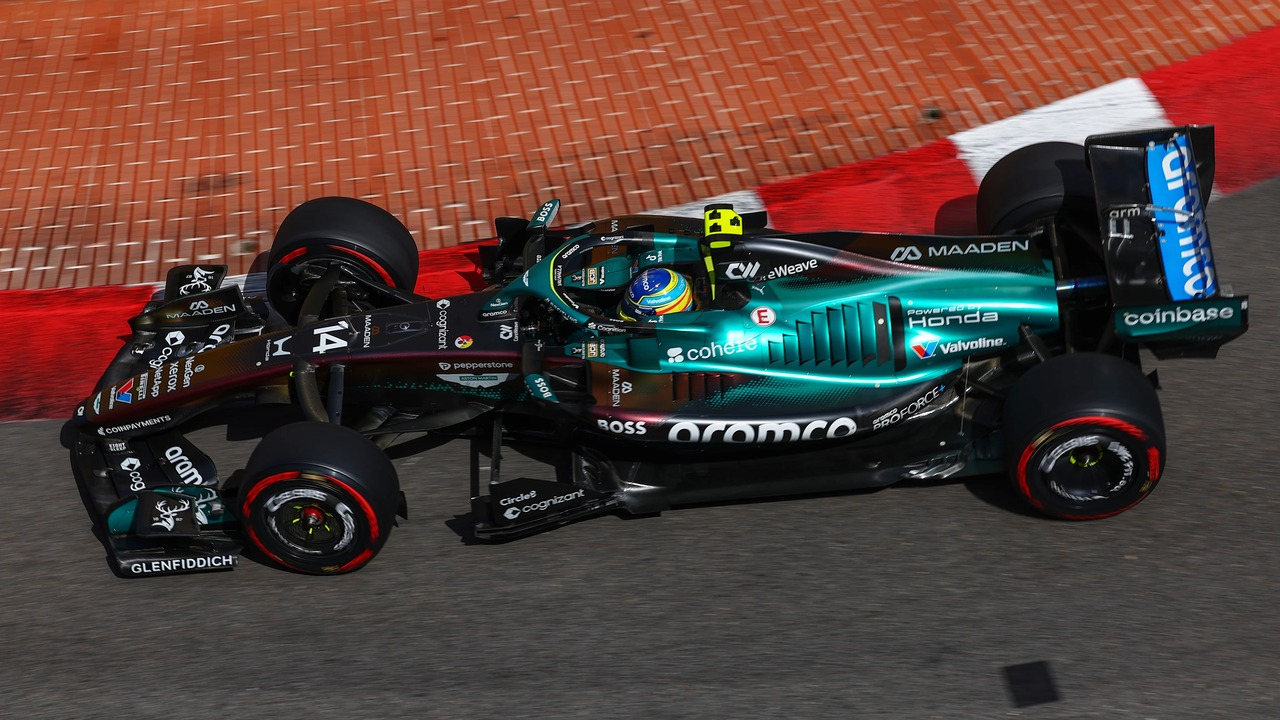
The internal numbers show Alonso extracting more from the package. They do not remove the larger problem of the team’s low position among the constructors.
Three weekends ended with both cars retired
Australia, China and Barcelona produced no direct race comparison because neither Aston Martin reached the finish. Those double retirements removed possible points and valuable mileage. A retirement also shortens the data record for later development. Components cannot be assessed over their planned distance when the car stops early. Repeated losses place more pressure on later practice sessions. Reliability work continues alongside the search for a faster setup.
Aston Martin entered the break second from the bottom of the team standings. The position reflects both slow weekends and opportunities lost through incomplete races. A lighter and substantially revised car appeared in Hungary after the original specification struggled. Stroll reached thirteenth, while the weekend offered a stronger reference than several earlier rounds. The result did not score points, yet it placed the updated package nearer the main group. Adrian Newey described the work as an early step in understanding the car. The Hungaroring was useful because its linked corners expose an unstable platform quickly. Engineers can now compare the new data with the opening specification across similar fuel levels. That comparison will guide the next changes instead of relying on driver impression alone.
Hungary offered a more useful baseline
Stroll reached thirteenth place in Hungary after Aston Martin introduced an updated AMR26. The car was still outside the points but closer to the main midfield group. The Hungaroring places a premium on connected corner performance. A more stable platform helped the drivers carry speed through sequences rather than judging one turn alone. One weekend cannot prove that every problem has been solved. It gives engineers a better baseline for the work completed during the summer pause.
The update can now be compared with data from the opening races. That review will separate genuine gains from effects created by the circuit layout. Zandvoort will combine the revised chassis with a planned Honda power unit update. Banking and sustained corner loads will provide a new vibration reference. Reliable running is essential because another interrupted weekend would hide the effect of new parts. Alonso’s qualifying advantage shows how much he has extracted from a difficult package. Stroll’s Hungary finish provides the most recent full-race reference for the update. Neither internal comparison changes Aston Martin’s low constructors’ position. Completed laps and points remain the team’s immediate targets. The second half therefore begins with a defined technical package and a clear competitive deficit.
A power unit update is planned for Zandvoort
Aston Martin expects a power unit update when racing resumes at the Dutch Grand Prix. The event runs from 21 to 23 August at Zandvoort. Mike Krack said the team is measuring the performance still available in the package. Reliable running now supports that work alongside the new parts. Zandvoort’s banking and quick direction changes will provide another demanding test. Stable delivery is important because several corners place the car under sustained load.
Aston Martin begins the second half near the lower end of the standings after several vibration problems and retirements. Reliability remains connected with performance because vibration changes a driver’s confidence. Repeated stints reveal tyre wear on Aston Martin’s revised car. Short qualifying runs provide a different reference from longer race simulations. Alonso and Stroll contribute separate feedback when both cars complete the same programme. The Dutch Grand Prix follows the summer break at Zandvoort. Its banking and faster direction changes differ from the Hungaroring layout. Aston Martin begins that weekend with a recent points finish and further reliability work on the AMR26.



No Comments