
Mercedes have explained George Russell’s poor start at the Hungarian Grand Prix. His car entered anti-stall as the lights went out. Russell fell from sixth place to twenty-first within seconds.
The team said Russell was not responsible for the problem. An unusual rise in engine speed disrupted his normal launch process. He recovered through the field and finished seventh.
The launch failed when the lights went out
Russell lined up sixth after gaining one grid position. Kimi Antonelli had received a penalty before the start. That placed Russell near the front of a tightly grouped field.
The Mercedes barely moved when the race began. Cars passed on both sides before Russell reached the first corner. Only Sergio Perez, who started from the pit lane, remained behind.
Television pictures showed the car entering its anti-stall mode. That system prevents the engine from stopping at very low speed. Its activation removed Russell’s chance of a normal launch.
Russell immediately reported the issue over the team radio. He then focused on avoiding contact in the crowded opening section. The careful response kept his car undamaged. Starting sixth placed Russell close to the leading cars. Dropping to twenty-first changed the entire race. Mercedes had to replace its original plan with a recovery drive.
The team studied data after the race at the Hungaroring. Its review separated Russell’s actions from the car’s response. Deputy team principal Bradley Lord later described the sequence.
Engine speed rose without a matching request
Drivers hold the engine at a set speed before a start. Russell followed that normal procedure on the grid. The engine speed then rose beyond his requested throttle level.
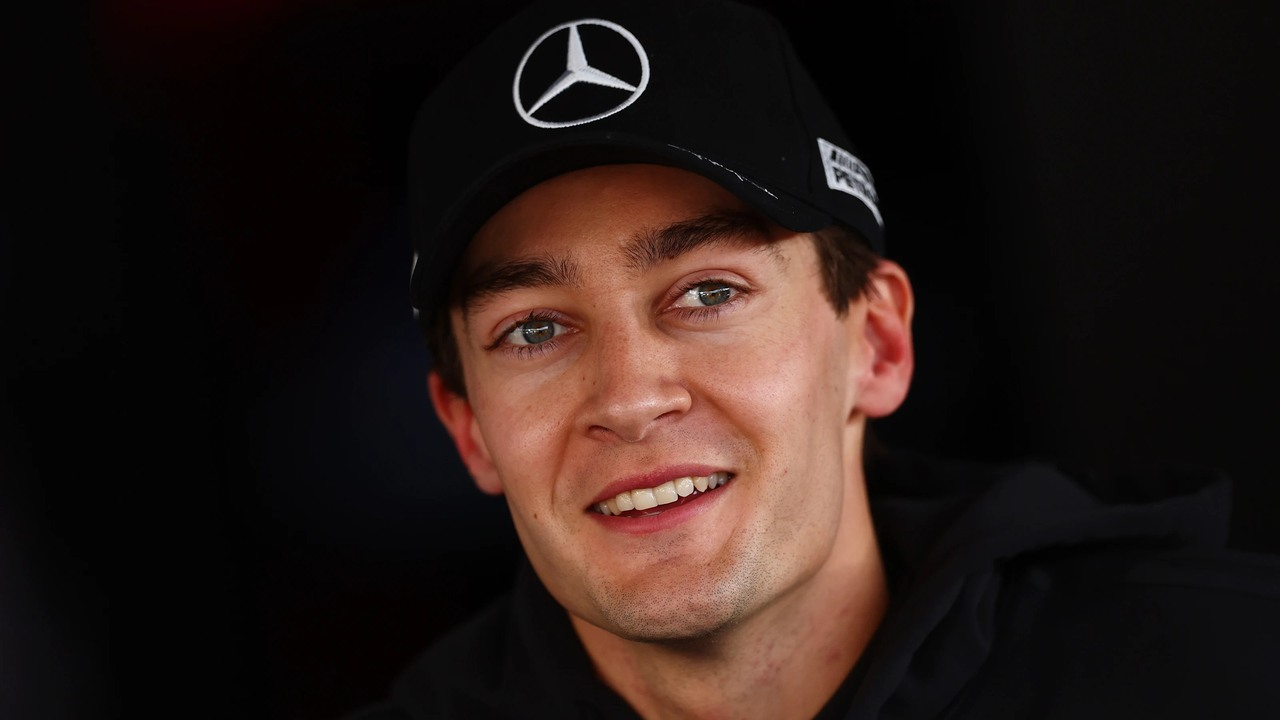
The revs reached the limiter while Russell waited for the lights. He tried to bring them back under control. That correction happened during the final moment before the launch.
Russell reduced his throttle input to below ten percent. The starting lights went out at exactly that time. His car therefore began with much less throttle than required. The low input triggered anti-stall and slowed the launch. Mercedes said the sequence happened through no fault of Russell. The explanation matches the sudden loss seen on the grid.
This was not a slow reaction to the starting signal. Russell had already begun correcting an unexpected engine response. The timing left him without another chance to prepare.
Mercedes did not describe the incident as a driver error. Its public explanation came after reviewing the recorded data. The team now has a clear account of the failed start.
The opening problem left Russell behind almost the entire field. He began passing slower cars during the first stint. Progress required patience because the Hungaroring offers few easy moves.
Russell completed several overtakes without damaging his tyres. Each pass returned him closer to the points positions. Mercedes adjusted the race around the traffic ahead.
| Grid position | Sixth |
|---|---|
| Position after the start | Twenty-first |
| Cause | Anti-stall after an unexpected rise in engine speed |
| Finish | Seventh |
His pace remained competitive despite the time lost at the start. The car worked better once Russell found clear air. He continued climbing as other drivers made their pit stops.
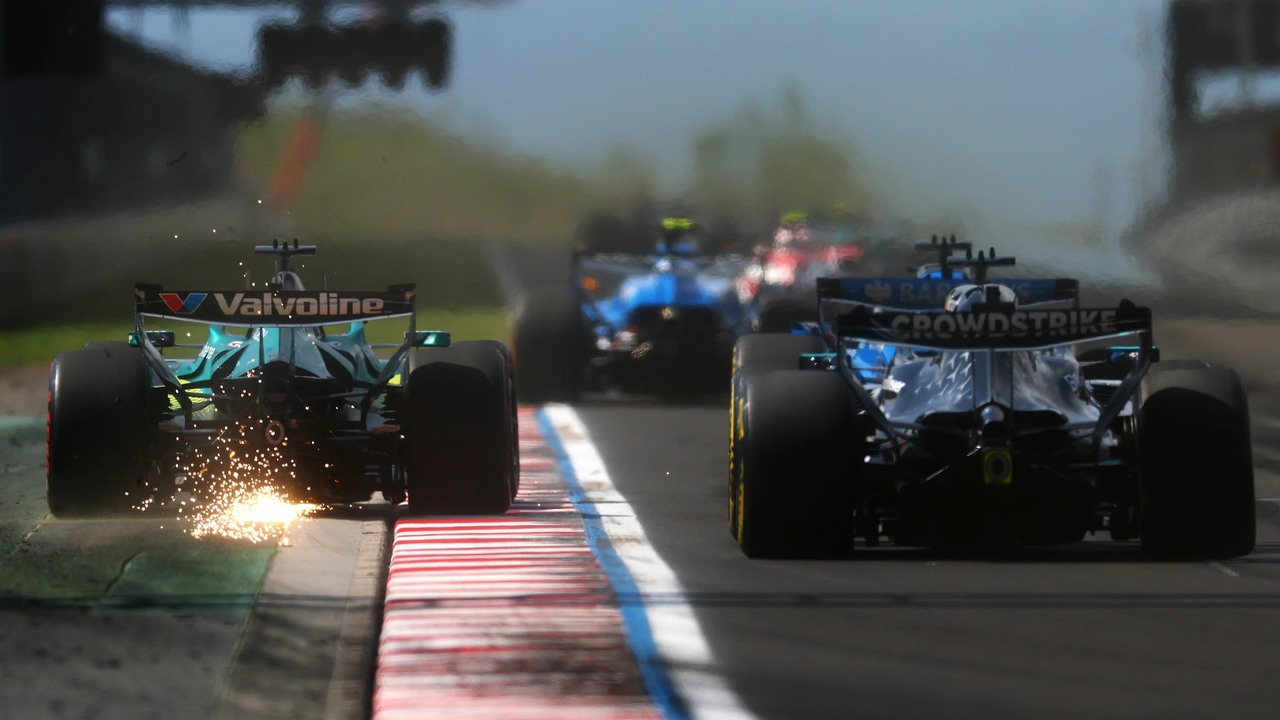
Russell eventually reached seventh place before the finish. He crossed the line shortly behind Isack Hadjar’s Red Bull. The result delivered useful points after a severe opening setback.
Mercedes praised the recovery rather than the final position alone. Russell had rebuilt his race from the last row on track. He completed that work without another major incident.
The seventh-place finish did not erase the failed launch. It showed the performance available after the problem ended. That distinction matters when Mercedes reviews the weekend.
The virtual safety car follows Russell’s second stop
Russell made his second stop near the end of the race. A virtual safety car appeared on the following lap. That timing denied him a cheaper stop under slower conditions.
Drivers lose less track time when stopping during a neutralised period. Russell had already completed his visit at full racing speed. The later caution therefore helped several other strategies. Mercedes said the late caution denied Russell a cheaper second stop. The team did not claim a specific higher finishing position. Hadjar remained only a few seconds ahead at the flag.
The detail added another difficult moment to Russell’s afternoon. Neither the start issue nor the caution followed his control. He still converted the recovery into championship points.
Race timing often changes the value of a pit stop. Hungary provided a direct example during the closing laps. One lap separated Russell from the slower neutralised stop.
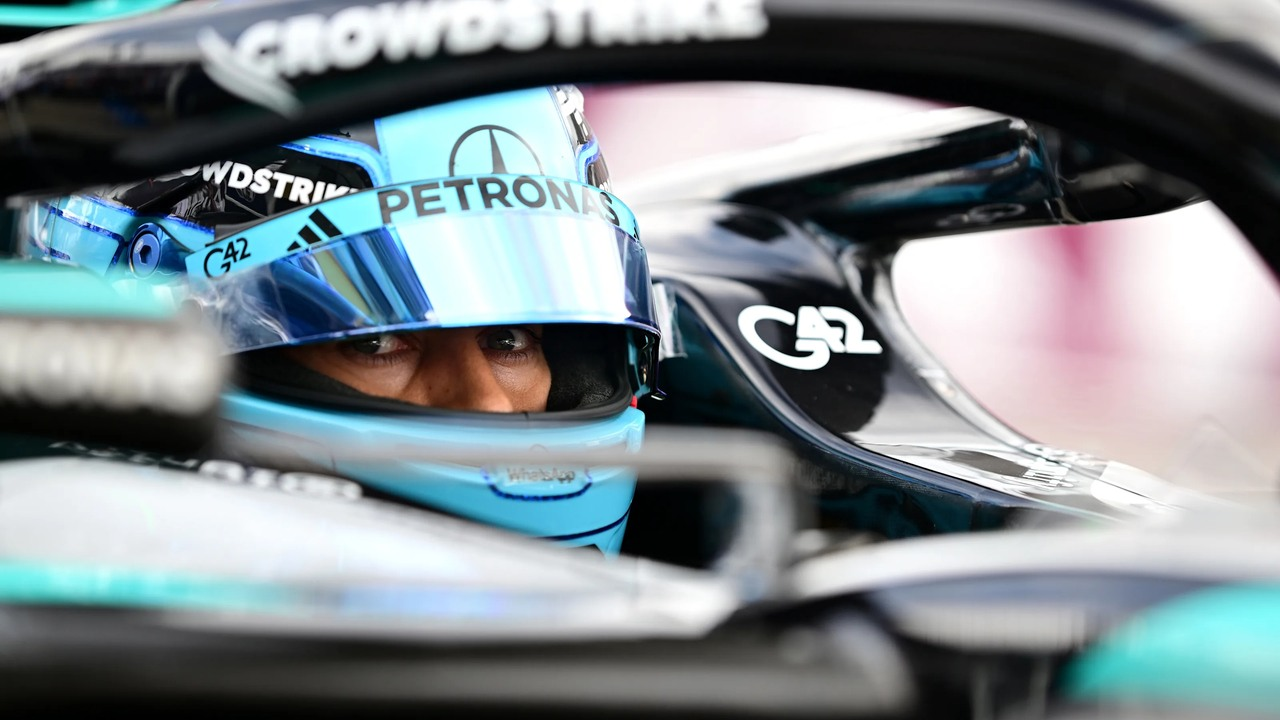
Mercedes included this point in its post-race review. It explained why seventh did not reflect the full recovery pace. The start remained the largest source of lost time.
Russell finishes seventh and scores points
Russell entered the summer break third in the drivers’ standings. He has collected 160 points across the opening part of the season. Lewis Hamilton sits nine points ahead in second.
Antonelli leads Russell by fifty-nine points after Hungary. The gap gives Russell work during the remaining races. His recovery at least prevented a scoreless weekend.
Mercedes traced the anti-stall event through the recorded control data. The review connected the clutch release with the protection system. Its explanation removes uncertainty about Russell’s actions.
The summer break gives engineers time to complete that review. Rules limit some factory activity during the shutdown. Normal analysis resumes before the next race weekend. Russell leaves Hungary with points and a confirmed technical account. His start changed the race before the first corner. The recovery then restored much of the lost position.
The final record shows seventh place after starting sixth. That simple line hides a fall to twenty-first and many overtakes. Mercedes’ data now explains why the unusual race developed.

No Comments