
Leonardo Fornaroli has described the first months of his Formula 1 work with McLaren. The reigning Formula 2 champion joined the team’s development programme in December 2025.
His programme has included private testing, simulator sessions and two official Friday practices. Each task has introduced a different part of Formula 1 preparation.
Barcelona provided the first private test
Fornaroli first drove an older McLaren Formula 1 car at Barcelona in March. The private session allowed him to learn the steering wheel, braking forces and working routine without a Grand Prix timetable. A modern Formula 1 car places greater loads on the driver’s neck and upper body. Fast corners also reduce the time available to process information. Private running gave Fornaroli time to build that rhythm over several laps. He could repeat procedures and discuss every change with engineers between runs.
The test was part of McLaren’s permitted programme with a previous car. It prepared him for duties that would later take place in front of the full race team. Fornaroli arrived in the programme after winning Formula 3 and Formula 2 in successive seasons. That record showed consistency across two different cars and championship formats. Formula 1 work has added another layer because every run contains detailed engineering tasks. Each run combines set instructions with greater speed and physical load. Barcelona offered enough uninterrupted time to learn the basic sequence of controls. Engineers could then compare his comments with the recorded steering, braking and throttle data. Repeated laps mattered more than one headline time during that private session.
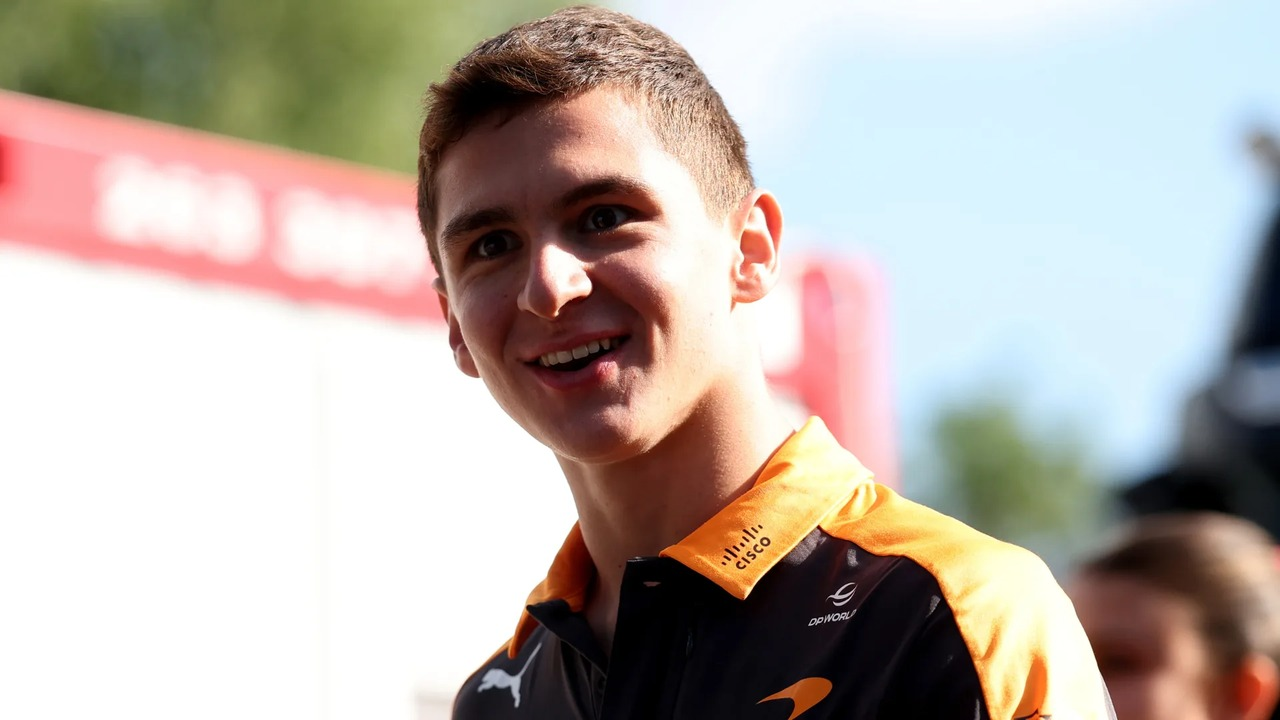
The test created a reliable starting point for later work with the current McLaren.
His first Friday practice came in Spain
McLaren selected Fornaroli for the opening practice at the Spanish Grand Prix in June. He completed the session in current machinery and finished fifth on the timesheet. A Friday practice carries different pressure from private testing. The session lasts one hour, traffic affects many laps and the race drivers need useful information for the rest of the weekend. Fornaroli therefore had to learn while following a fixed programme. His work included installation checks, tyre preparation and feedback about the car’s balance. The fifth-fastest time showed that he adapted quickly, although practice positions never decide championship points. McLaren valued the completed laps and clear technical comments. His Barcelona practice debut used Lando Norris’s car for the opening hour. Fornaroli had to return the machine with useful information for the race weekend. Traffic, changing grip and limited tyres reduced the freedom available in private testing. He completed the planned running and avoided an interruption that would have cost McLaren track time. Fifth place on the timesheet attracted attention, but the team also examined every longer sequence. Consistent feedback helped engineers understand how quickly he recognised changes in balance. The session showed that his preparation transferred into a live Grand Prix environment. It also allowed the regular drivers to discuss the same car with a new reference.
Fornaroli returned to McLaren’s current car during first practice in Hungary. A second appearance let him begin with procedures that were already familiar. The Hungaroring has many linked corners and few long pauses. A small mistake at one turn can disturb the approach to the next part of the lap.
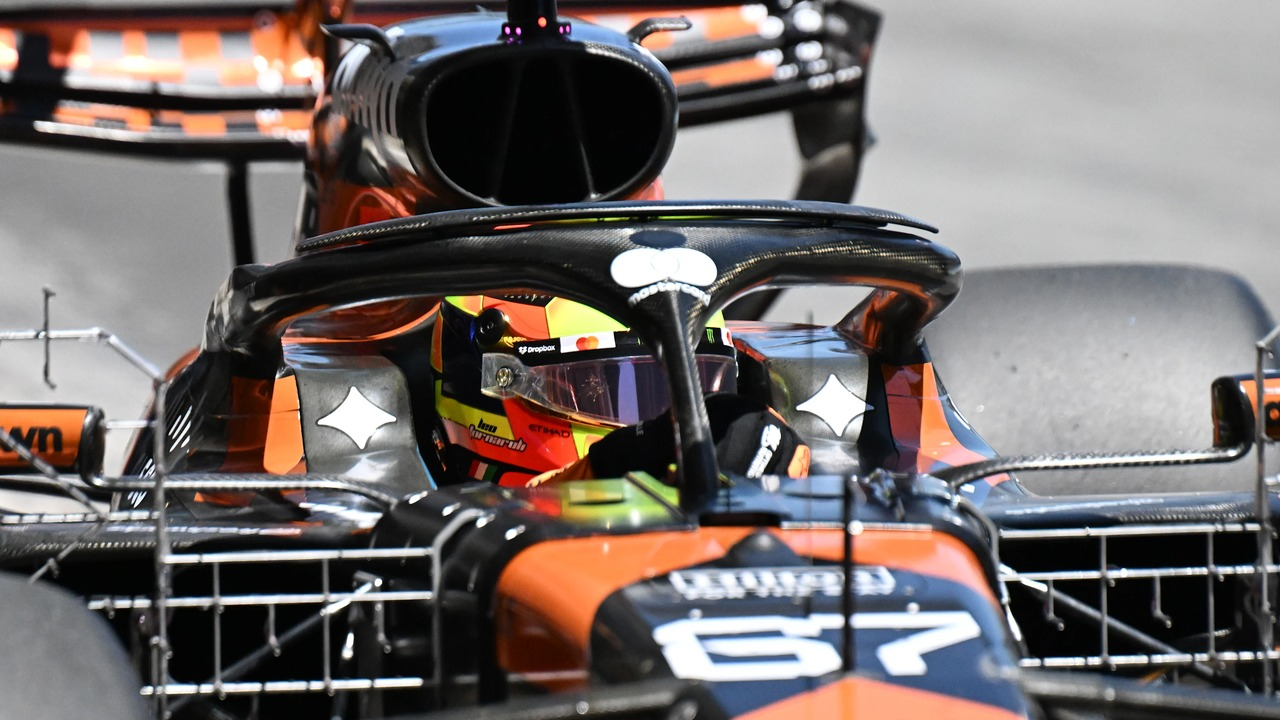
He again balanced personal learning with the team’s test plan. That responsibility is important because every set of tyres and every minute has value during a race weekend. Two practices also give McLaren a broader comparison. The data covers separate circuits, conditions and car settings.
Work with Haas widened the reference
Fornaroli also completed a private test with Haas at Jerez. The opportunity placed him in another Formula 1 environment and gave him a different technical reference. Cars from separate teams do not behave in exactly the same way. Control layouts, braking feel and communication methods can also vary between garages. The Jerez running did not change his McLaren role. It added useful mileage while the team continued its own schedule with current drivers and other development members.
Experience in two working environments can make feedback more precise. Fornaroli describes each car on its own terms and avoids simple performance comparisons. At the Hungaroring, Fornaroli replaced Oscar Piastri during the first practice. Familiar controls saved time, yet the circuit demanded a different rhythm from Barcelona. Its middle sector links several corners with little opportunity to reset the car. A missed apex can affect tyre temperature and the following braking point. McLaren also introduced updates, so the programme included useful comparison work for the team. Fornaroli followed the planned sequence instead of chasing a single fast lap. Engineers received another hour of data from a driver outside the regular pairing. Two official practices now give them evidence from separate layouts and summer conditions.
Simulator work continues between events
Track appearances are only one part of Fornaroli’s programme. He supports McLaren in the simulator and helps prepare settings before selected race weekends. Simulator sessions test several directions without using physical tyres or circuit time. Consistent laps keep those comparisons useful. Friday support can continue after the real cars start running. New information from the circuit is added to the simulator, where another setup can be checked before Saturday.
This work teaches Fornaroli how a Formula 1 weekend develops away from television cameras. It also lets McLaren judge his concentration during long technical sessions. Reserve duties require preparation even when no race start becomes available. Fornaroli studies procedures, attends engineering briefings and stays ready for an unexpected request. Simulator work can continue late because circuit data arrives throughout Friday. The virtual car is adjusted so another direction can be tested before Saturday. Useful simulator comparisons depend on laps repeated within a narrow range. Large variation would hide whether a setup change actually improved the model. Fornaroli is learning that discipline alongside his limited track appearances. McLaren can judge his technical work without making promises about a future seat. His progress remains visible through completed tests, practices and reliable support.
The reserve role keeps the next steps open
McLaren lists Fornaroli as a reserve driver during the 2026 season. He attends selected events and remains available if the team requires additional support. Team chief Zak Brown has praised his junior results and said he deserves consideration for Formula 1. That support is not the same as a confirmed race seat.
Fornaroli has kept his public focus on testing, practice sessions and simulator work. More mileage gives him stronger evidence than predictions about a future vacancy. The next Formula 1 round is the Dutch Grand Prix from 21 to 23 August. McLaren can continue the development plan when the championship returns from its summer pause.
No Comments