
The FIA has set a clear weight target for Formula 1’s next technical rules. Single-seater director Nikolas Tombazis wants the cars to lose about 80 kilograms after the current cycle.
The proposal is aimed at the rules planned for 2031. An earlier start in 2030 remains possible if Formula 1, the teams and manufacturers reach agreement.
The 2026 cars already became smaller
Formula 1 reduced the minimum weight to 768 kilograms for 2026. That figure is 32 kilograms below the previous limit. The wheelbase also became 20 centimetres shorter, while the cars lost 10 centimetres of width. Tombazis said drivers have welcomed the smaller dimensions. He also believes the cars now follow each other more closely. The FIA’s measurements show that wake losses are near the level recorded at the start of 2022.
The governing body changed several areas that produced harmful airflow under the previous rules. Front wing endplates, floor edges and the region around the front wheels received tighter limits. The current designs have not yet broken the intended aerodynamic concept. Less downforce has changed the way the cars move on track. Drivers work harder through a corner because the chassis does not feel fixed to the surface. Raised ride heights have also reduced the harsh bouncing seen with the earlier ground-effect cars.
A large reduction needs changes across the car
Removing another 80 kilograms cannot come from one component. The chassis, power unit, battery, safety structures and cooling system all contribute to the final number. Each area also has limits set by performance and reliability. Modern crash tests demand strong survival cells and impact structures. These parts cannot simply become thinner. Engineers would need lighter materials, revised dimensions and fewer heavy systems while preserving the same protection for drivers.

The power unit is another major part of the discussion. The 2026 package uses a larger electrical contribution and requires substantial energy storage. Tombazis linked the future weight target with a simpler engine formula for the next cycle. Teams also carry cameras, sensors and standard electronic equipment. Some items support safety, television coverage or technical checks. A serious reduction therefore requires Formula 1 to review the complete list instead of placing the full task on constructors.
The FIA has time to test different options
A 2031 introduction gives the rule makers several seasons for research. Working groups can compare possible power units, car dimensions and minimum weights before issuing final technical documents. Manufacturers also need enough notice for long development programmes. Moving the rules to 2030 would shorten that schedule. The teams would need an early decision because new chassis and engines require design work years before their first race. Late changes would increase costs and create more reliability risk.
The FIA can use data from the 2026 cars during this process. Race following, overtaking distance, energy use and accident loads will show where the current package works. Those measurements provide a stronger base than estimates made before the season. The first months also exposed concerns about energy management. Those complaints often dominated discussion of the new regulations. The lighter-car project gives officials a separate opportunity to improve the physical size and behaviour of the chassis.
Lower weight would change braking and tyre loads
A lighter car needs less energy to slow for a corner. That can shorten braking distances and reduce the load placed on brakes and tyres. It can also make direction changes feel more immediate to the driver. Smaller dimensions may help racing on narrow circuits. Drivers could use more than one line without placing such a large car beside the barriers. The benefit would depend on the final width, wheelbase and aerodynamic wake.
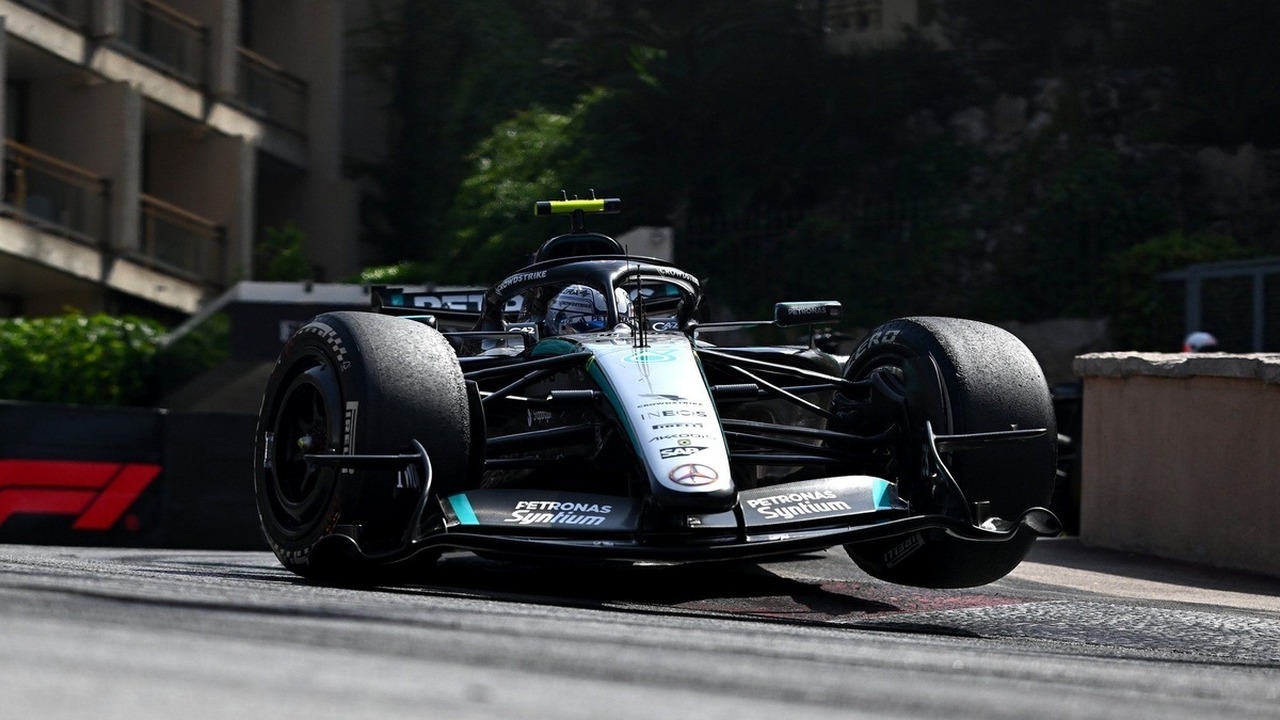
Tyre construction would still need to match the new loads. Chassis weight therefore depends on early work with the tyre supplier. Testing links the tyres, suspension and aerodynamic targets. Fuel and battery requirements will influence every calculation. A light qualifying car can become much heavier when it begins a Grand Prix. The regulations therefore need a practical minimum that teams can reach without fragile parts or unsafe margins.
The 80kg figure is a target rather than a finished rule
Tombazis described the reduction as the direction he wants Formula 1 to pursue. The number is not yet a confirmed minimum weight. Final rules will follow negotiations and technical studies. The distinction matters because teams cannot begin detailed designs from one interview. They need exact limits for the engine, battery, wheelbase and crash structures. Those documents will determine whether the full reduction is realistic.
Formula 1 has reversed a long trend with the 2026 cars. Tombazis noted that this may be the first season in decades when the machinery became lighter. The next proposal seeks a much larger step in the same direction. The current cars remain the reference until a later package is approved. Their race data will show which gains survived real competition. That evidence will shape the final weight and dimensions of the next generation.



No Comments