
Mercedes communications chief Bradley Lord has explained how the team manages public duties around its drivers. His department plans interviews, press conferences and partner work throughout each race weekend.
Lord also serves as deputy team principal. That combined role connects public communication with daily team decisions. The work continues before, during and after every Grand Prix.
A race weekend begins before the drivers arrive
Communications staff prepare schedules before the team reaches the circuit. They receive requests from broadcasters, written media and Formula 1. Partner appearances also need fixed times. Drivers also attend engineering meetings, track walks and physical preparation sessions. Media work occupies the remaining spaces in that schedule. A late change can affect several departments at once.
The communications team therefore works from a shared schedule. It records every driver appearance and meeting. It also leaves enough time for travel inside large circuit complexes.
Different interviews require different preparation
A television interview may focus on the latest session. A longer interview can discuss a driver’s career or private interests. Written interviews often require more detailed answers. Staff explain the subject and expected length before each conversation. They do not write every answer for the driver. Preparation helps the driver understand the format and available time.
Some questions concern technical information that cannot be shared. Others involve contracts or private matters. Communications staff help establish clear limits before the interview starts.
Results can change the plan within minutes
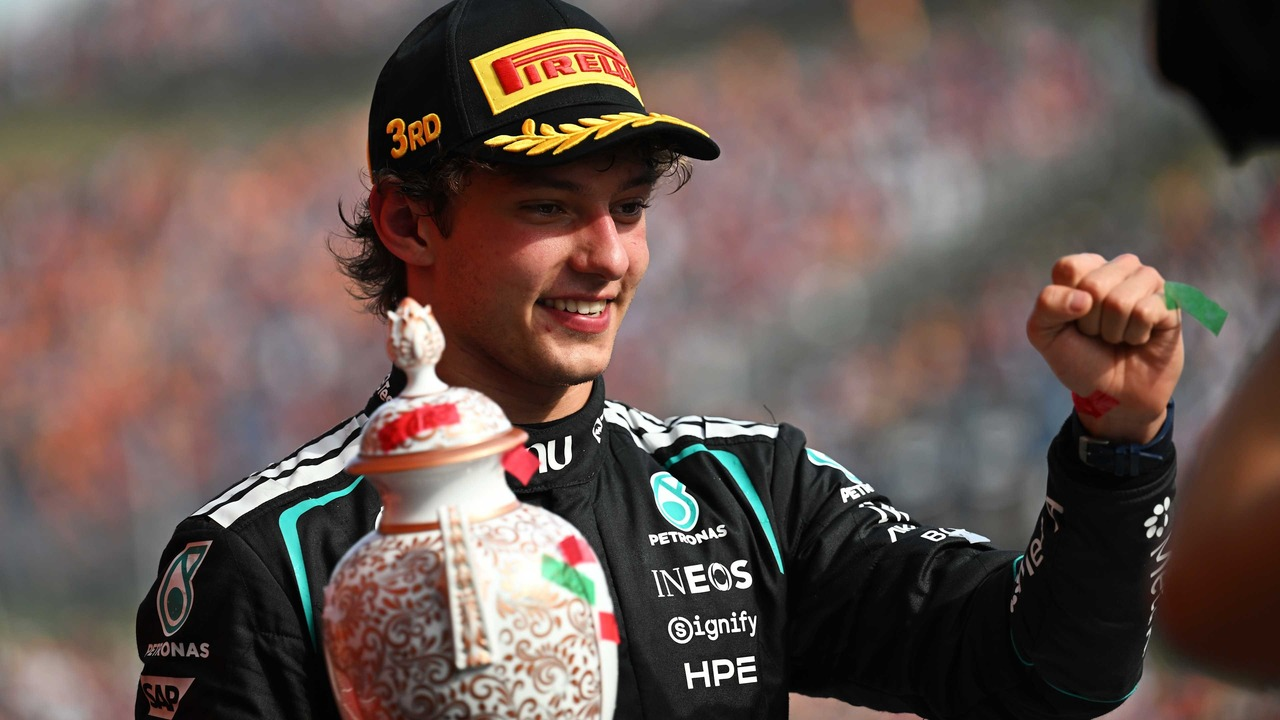
A podium creates more interviews and official duties after the race. A retirement can require careful factual explanations.

Penalties may also keep the team waiting for a final result. Staff follow official decisions before issuing a statement. They speak with engineers and team management about the cause of an incident. This process reduces conflicting explanations across every public statement.
Speed still matters because journalists work to immediate deadlines. The team needs a clear message without guessing. Accurate language is more useful than a fast unsupported claim.
The drivers remain central to the public message
Formula 1 drivers speak in their own voices during interviews. Their reactions give supporters direct information after qualifying and races. The communications department provides context and organisation. Drivers sometimes pause before discussing a difficult result. Medical checks and engineering debriefs may take place first. Communications staff then move interviews to a later available period.
Consistency does not require identical answers from both drivers. Each driver experienced the car differently. The team can still provide one accurate account of confirmed technical facts.
Lord’s wider role links communication with management
Lord has worked with Mercedes through many seasons and championship campaigns. His current position includes deputy team principal duties. That access gives him a broad view of team priorities. Communications work also includes employees away from the track. Factory staff, partners and senior leaders receive updates during important weekends. Internal information needs the same care as public statements.
The department is rarely visible during a clean weekend. Its work appears through organised interviews and clear updates.
Lord’s explanation shows how much planning supports those brief public moments.
Briefings give every interview a defined purpose
The communications group reviews the planned subject before each media appearance. A television interview needs shorter answers than a written feature. A press conference also places both drivers before several outlets at once.
Preparation includes recent sporting facts and the likely questions around them. The team does not write a complete script for every answer. Drivers retain their own language while staff provide the relevant context.
A race result changes the schedule immediately
Post-race interviews begin within minutes of the chequered flag. A podium brings extra broadcast and press duties. A retirement creates a different sequence because engineers first need information from the stopped car.
Lord coordinates those demands with the sporting programme. The media schedule cannot delay mandatory procedures or team meetings. Communication therefore follows the event timetable instead of operating as a separate Formula 1 department.
One group covers drivers, engineers and senior staff
Lord joined Mercedes in 2011 and now leads the Formula 1 team’s communications work. His department handles media schedules, announcements and interviews across the race programme. The work also includes technical subjects that need clear explanations from engineers and team leaders.
Race weekends create several fixed media periods. Drivers speak on Thursday, after qualifying, and after the Grand Prix. Television interviews usually happen first because broadcasters work to immediate deadlines. Longer written interviews can follow when the sporting timetable leaves enough time.

No Comments