
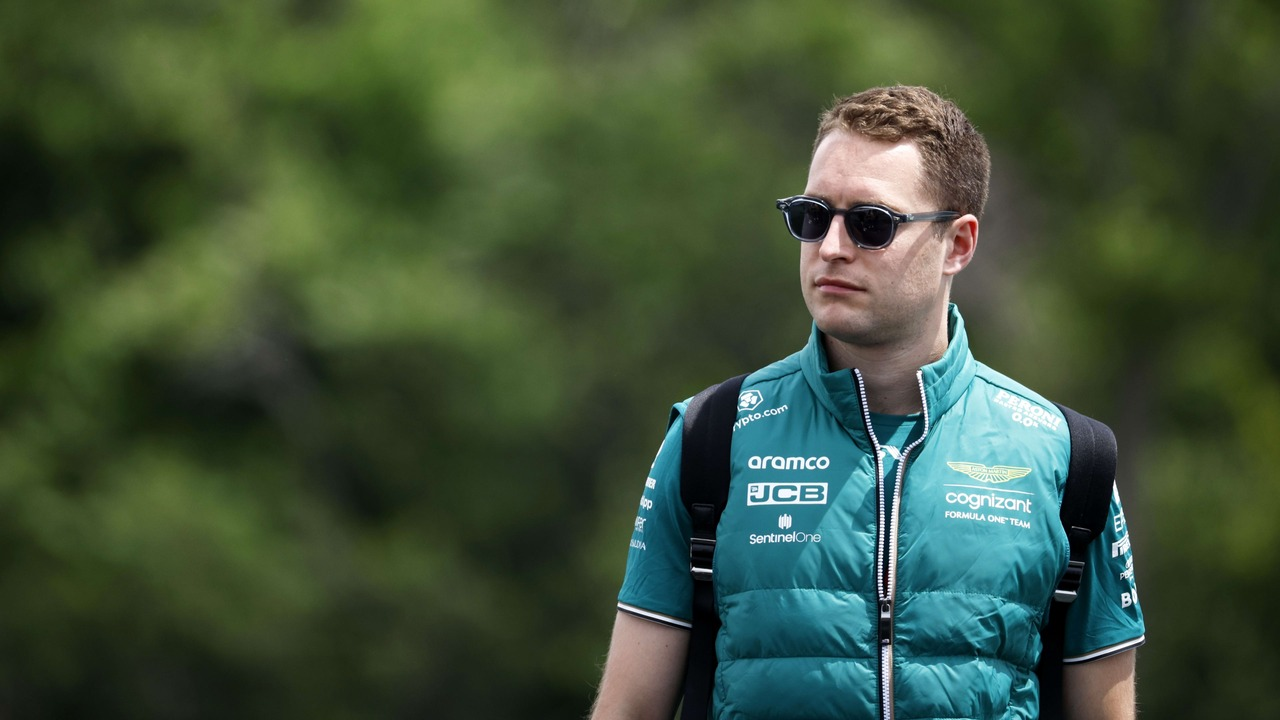
Stoffel Vandoorne has described the work behind his reserve role at Aston Martin. The former McLaren race driver supports the team away from public sessions and remains available when a regular driver cannot compete.
Reserve work includes simulator running, technical preparation and contact with engineers. It also requires enough physical readiness to enter the car with little notice. The job continues even when the reserve never appears in a Grand Prix session.
Simulator sessions connect factory work with race weekends
A reserve driver can complete simulator laps while the race team works at a Grand Prix. Engineers send setup questions from the circuit and receive another set of data from the factory. The process can continue late into the night. Vandoorne brings experience from Formula 1, Formula E and endurance racing. That background helps him describe changes in balance through language engineers already understand. His comments provide another reference beside the two race drivers.
Simulator work is not a copy of every real lap. The team uses it to compare defined changes and possible responses. Reliable feedback matters because engineers may have limited time before the next session begins.
Race readiness remains part of the contract
The reserve studies current procedures, steering-wheel controls and team terminology. Those details change during a season. Simulator sessions keep Vandoorne familiar with the latest car settings. Physical preparation also continues throughout the year. Formula 1 places heavy loads on the neck and body. General fitness alone does not reproduce every force created by a modern car.
Seat position and equipment need prior preparation. The team stores a suitable seat, helmet details and clothing for the reserve. That work saves time if a replacement becomes necessary during a race weekend.
- Current steering-wheel procedures
- A prepared seat and race equipment
- Regular physical training
- An active FIA Super Licence
- Availability agreed before each event
Briefings provide the wider technical picture
Vandoorne can attend engineering meetings and review information from both Aston Martin cars. He hears how Fernando Alonso and Lance Stroll describe the package. He can then connect their reports with his own simulator findings. The reserve does not replace the authority of the race drivers. Alonso and Stroll feel the real track, wind and tyre conditions. Vandoorne adds another controlled comparison when the team tests a specific idea.
Technical meetings also keep him familiar with new parts. A change to aerodynamics, suspension or software can alter the car’s response. Understanding that change matters before any unexpected call to drive.
Travel depends on the team’s plan
Some reserve drivers attend most Grands Prix, while others work mainly from the factory. The plan can change around other racing commitments. Vandoorne has competed in championships that sometimes share weekends with Formula 1. Aston Martin therefore confirms reserve availability before each event. Another eligible driver covers selected dates when Vandoorne races elsewhere. Every nominated replacement meets the required licence rules.
Travelling with the team gives the reserve direct access to briefings and circuit conditions. Factory duty provides more simulator time. Both forms of work support the same race operation.
Experience strengthens technical feedback
Vandoorne started forty-one Grands Prix for McLaren during 2017 and 2018. He later won the Formula E world title. He also gained endurance experience through major prototype programmes. That career exposed him to different cars, tyres and energy systems. Aston Martin receives those comparisons through his simulator reports.

His responsibility is to describe the car’s behaviour in clear terms.
A quiet weekend does not mean the reserve contributed nothing. Simulator laps and preparation can influence decisions without appearing on television. The role is built around readiness, accurate feedback and continuity inside the team.
A replacement call follows strict procedures
A replacement requires an active Super Licence and compliance with the event regulations. Officials receive the required paperwork before the driver joins a competitive session. Prior simulator work supports preparation but does not replace those formal requirements. The team then adjusts pedals, seat inserts and steering settings around the available preparation time. Engineers explain the current start procedures, energy controls and radio language. Vandoorne’s previous Formula 1 experience shortens that learning process. Any replacement decision depends on the availability of Alonso or Stroll. Reserve work continues between race weekends. Factory sessions may happen before or after a Grand Prix rather than during television coverage. Vandoorne can compare planned setup changes and report how the simulated car responds. Engineers then decide whether that information deserves further study. A simulator result remains a development reference and never becomes an official lap time from the circuit.
The reserve role remains active even when Alonso and Stroll complete every scheduled session. Vandoorne combines simulator feedback with attendance at selected race weekends. Both duties keep his preparation connected to the current Aston Martin car. A reserve driver follows the same technical briefings as the regular race drivers. This work keeps current procedures familiar before any replacement call.

No Comments