
Gabriel Bortoleto says Formula 1 has not lost its magic under the 2026 rules. The Audi driver spoke after the British Grand Prix. He accepted that the cars feel different from the previous generation. He also argued that drivers have to adapt instead of rejecting every change.
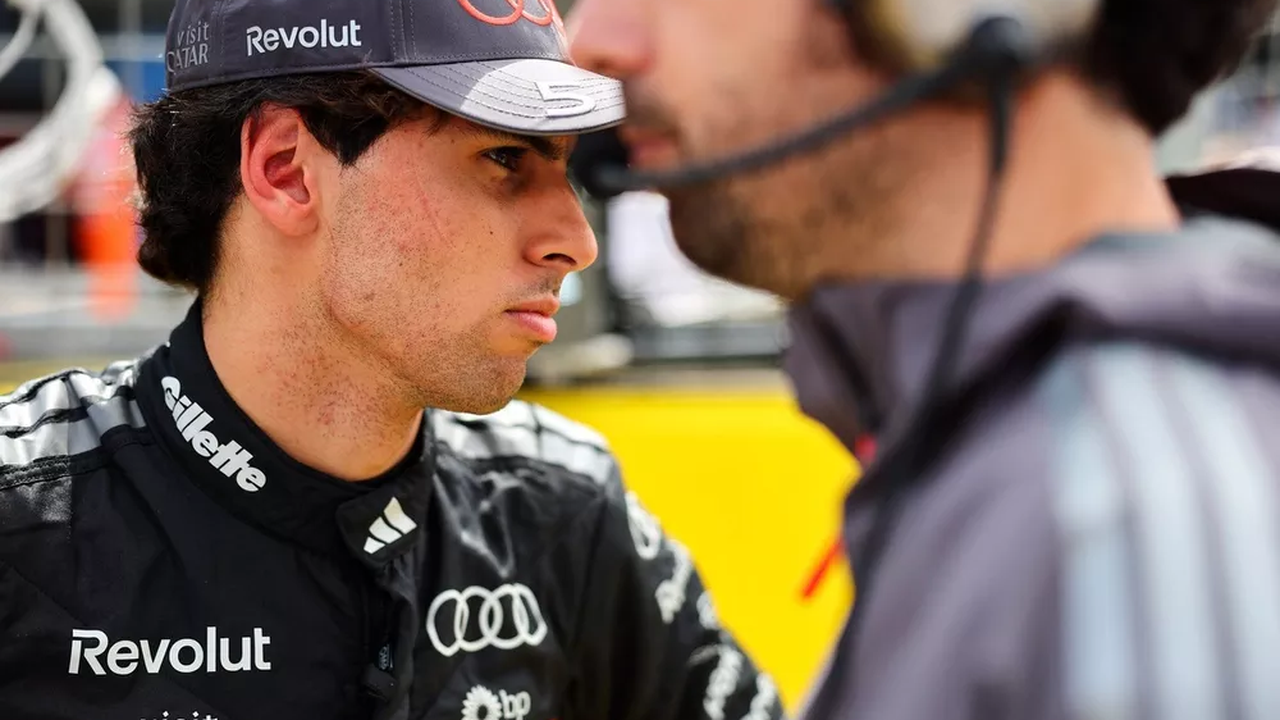
Bortoleto used Copse corner at Silverstone as a direct example. He said he entered at about 280 kilometres per hour and still lifted the throttle. That experience remained exciting to him. His comment was personal, not proof that every driver shares the same view.
A different car, not an empty one
The 2026 rules changed both aerodynamics and power delivery. Cars are shorter, narrower and lighter than the previous generation. Active front and rear wings reduce drag on straights and add downforce in corners. Drivers also manage more electrical energy.
Those changes create a new driving style. Bortoleto said difference does not remove enjoyment. He compared the current car with the one drivers knew before, rather than pretending they feel identical. His central request was time for adaptation.
Active aerodynamics are one of the clearest visual changes. Drivers can use different wing configurations under the rules, with the system designed to reduce drag on straights and restore downforce for corners. The car does not simply stay in one low-drag shape. Control rules and circuit positions determine when each mode is available.
Why Copse mattered to his answer
Copse is one of Silverstone’s fastest corners and provides a clear measure of commitment. Bortoleto said his speed was near 280 kilometres per hour there. He still lifted, which showed the corner remained demanding in the 2026 Audi.
The number came from the driver during the interview. It was not presented as an official timing trace for every lap. Conditions, fuel and tyre state affect corner speed. The example describes his feeling after the British Grand Prix.
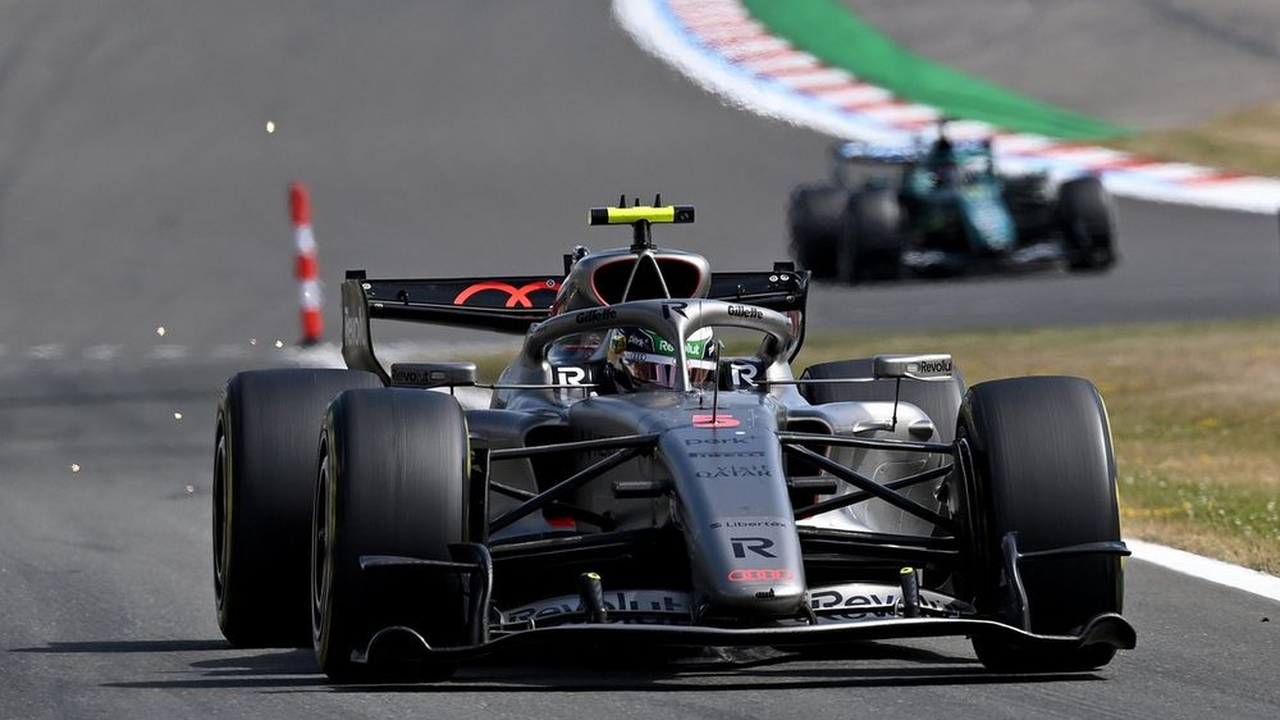
The electrical side now supplies a much larger share of total power. That increases the importance of harvesting and deploying energy around a lap. Drivers may need to plan where they use the available boost. Bortoleto accepts that this feels different, but his Copse example shows that a demanding high-speed corner can still require confidence and precision.
The main confirmed rule changes
The power unit now combines a 400-kilowatt combustion engine with a much stronger electrical system. The MGU-H has disappeared, while sustainable fuel is mandatory. The chassis rules target about 30 percent less downforce and 55 percent less drag.
Bortoleto’s next weekend is set out in the Belgian Grand Prix session timetable.
The minimum car weight fell from 800 to 768 kilograms. Wheelbase is 200 millimetres shorter, and the floor is narrower. These figures explain why old comparisons require care. The cars changed in several areas at once.
Smaller dimensions were intended to make the cars more agile. A shorter wheelbase and narrower body reduce the physical footprint, while the lower minimum weight reverses part of the growth seen in earlier generations. The result is still a heavy racing car by historic standards. Bortoleto’s point was about the experience from inside it, not a claim that every target is already perfect.
| Signal | Meaning |
|---|---|
| Driver | Gabriel Bortoleto, Audi |
| Example | Copse at about 280 km/h |
| Rule era | New 2026 chassis and power-unit regulations |
Miami brought early adjustments
The FIA and teams already agreed energy changes during the opening phase of the season. Maximum permitted recharge in Miami fell from eight to seven megajoules. Peak electrical delivery and boost rules were also refined for selected parts of the lap.
Those updates show that the first version was not treated as untouchable. They do not mean the entire 2026 concept was abandoned. Formula 1 often adjusts detailed rules after real racing data appears. The basic power-unit and active-aero framework remains.
The early energy adjustments show how a new regulation matures. Teams gather data, drivers identify difficult behaviour and the governing body reviews safety and racing quality. A change after the first events is not proof of failure by itself. It is evidence that the working rules can be refined when real races reveal effects that simulations did not fully settle.
Bortoleto separates criticism from adaptation
Several drivers have criticised aspects of energy management and racing behaviour. Bortoleto did not deny those concerns. He said drivers still have an exciting car and should turn the page after understanding the new demands.
His position is one voice within a divided grid. Other drivers have asked for different changes after the opening races. Teams and the FIA continue to review the regulations through their formal working groups. Bortoleto’s comments add a positive view to that wider debate.
What his comment actually establishes
Bortoleto enjoyed the speed and challenge he felt at Silverstone. He accepts that the 2026 car requires different habits. He also supports further improvement where the racing data shows a problem. Those views fit together without contradiction.
The season will provide more evidence across low-speed, high-speed and street circuits. One corner cannot settle the whole regulation debate. It does explain why Bortoleto rejects the claim that Formula 1 has lost all excitement.

No Comments