
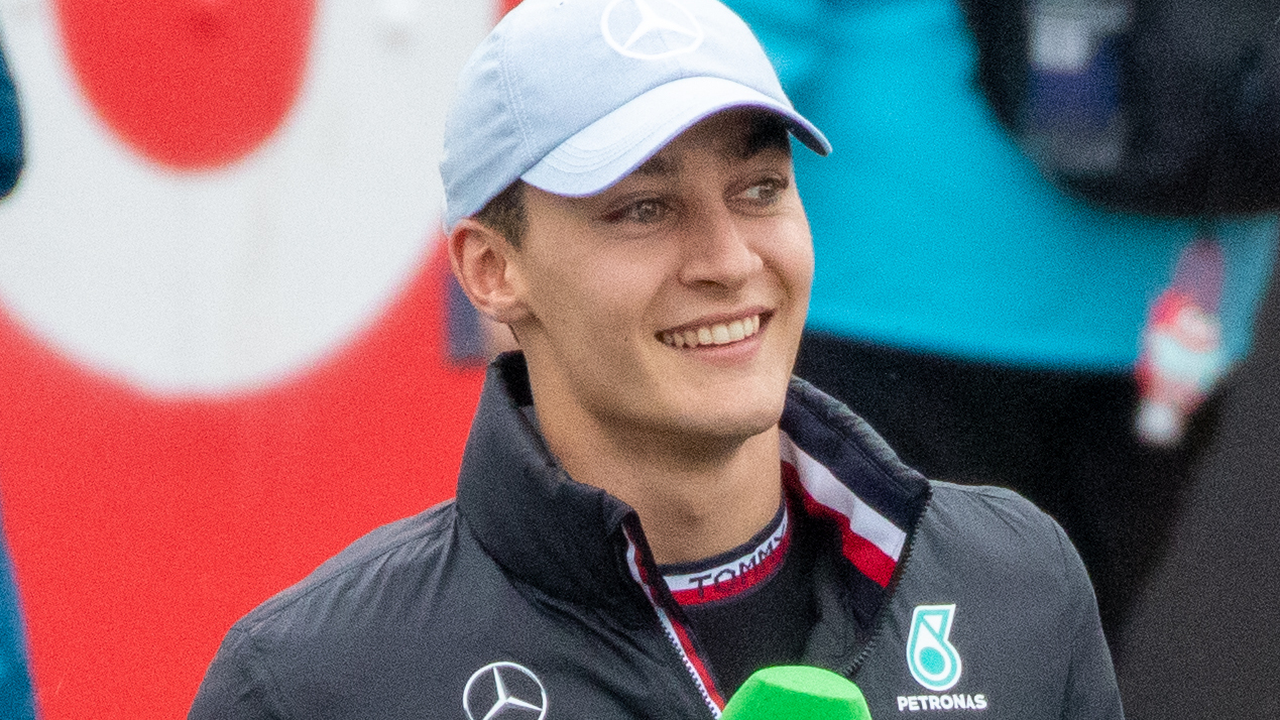
For most of this decade Mercedes have prided themselves on a single, almost stubborn principle: let the drivers settle it on track. Heading into the Austrian Grand Prix on 28 June, that principle is being quietly stress-tested.
A points gap that changes the conversation
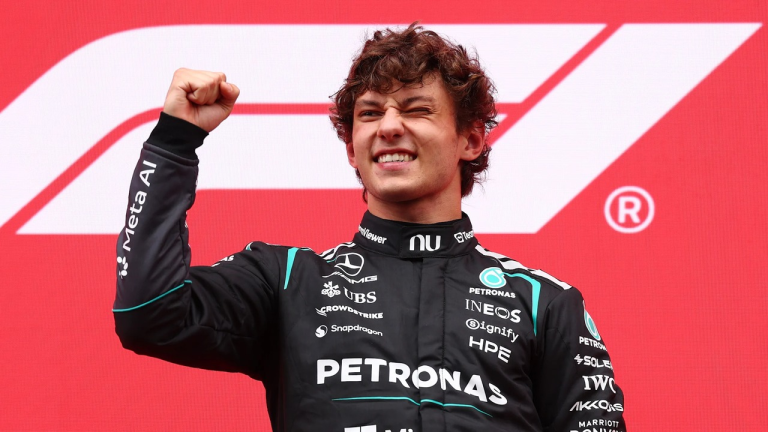
Fifty points is not an unbridgeable lead, but in a team fielding two genuine contenders it is enough to alter the maths in the garage. Antonelli is the man Mercedes are chasing the title with; Russell is the experienced operator who knows how slim margins decide seasons. When a team-mate sits half a race win ahead, the temptation to nudge resources, strategy calls and pit-stop priorities towards the leading car grows with every round.
The complicating factor is Hamilton. Now racing in red, he remains close enough that Mercedes cannot simply manage a private duel between their own two cars. Every point Russell takes from Antonelli is a point that does not go to Hamilton, so the “obvious” hierarchy is anything but obvious.
Why Austria sharpens the dilemma
- The Red Bull Ring is short, with heavy braking zones that reward aggressive overtaking and punish hesitation.
- Long DRS-assisted straights make it one of the easier circuits for team-mates to attack one another wheel to wheel.
- A compact lap means strategy windows overlap, so pit priority between two evenly matched cars carries real weight.
Put simply, this is not a track where a difficult intra-team moment can be quietly avoided. It is one where two cars in the same colours can find themselves side by side into Turn 3 with the championship narrative hanging on who yields.
What Wolff and Allison have actually said
Mercedes have not pretended the issue does not exist. After Barcelona, team principal Toto Wolff described the intra-team situation as “a situation we need to look into for the future” – a deliberately measured phrase that acknowledges the tension without committing to any change in approach.
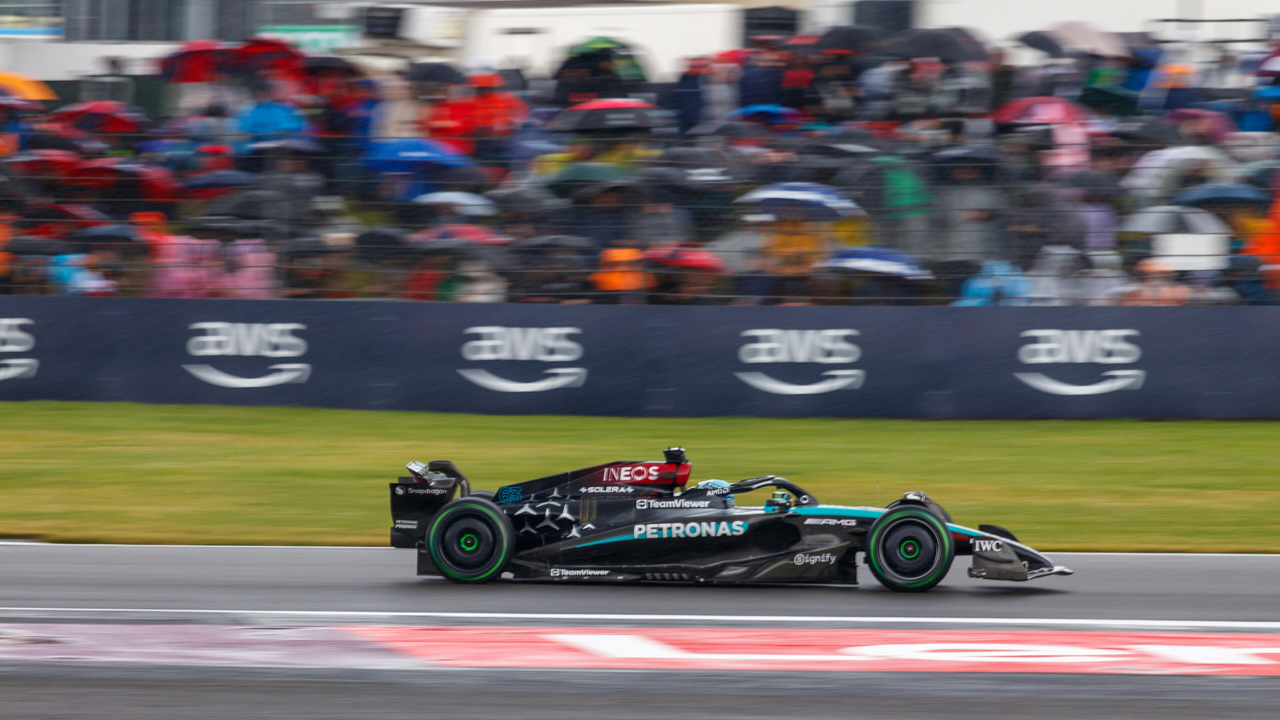
Technical director James Allison went further in tone, calling the idea of favouritism “alien” to how the team operates. For a structure that has spent years insisting both drivers earn their results, anointing one cuts against the culture. The public position therefore remains unchanged: the drivers are free to race.
There is an honesty in the messaging worth noting. Rather than deny any awkwardness exists, Mercedes have conceded the obvious – that two fast cars and one championship create friction – while declining to pre-empt a decision they may never need to take.
The case for staying hands-off
The argument for leaving the drivers alone is rooted in recent history. Teams that impose orders too early often pay for it later, whether in driver morale, public perception, or the simple fact that the “wrong” driver can be the one who delivers when it counts. Russell has every right to feel he can still close a 50-point gap; freezing him out now would be premature.
Equally, free racing keeps both drivers sharp. A team-mate breathing down your neck is the most reliable benchmark in the sport, and dulling that competition could blunt the very edge that put Antonelli ahead. The risk, of course, is the nightmare every “free to race” team dreads: contact between the two cars, double damage, and a haul of points handed straight to Ferrari.
The line Mercedes must walk
Somewhere between rigid orders and total laissez-faire sits the realistic middle ground – clear racing-room expectations, agreed protocols for when the cars are nose to tail, and a shared understanding that the bigger enemy wears red.
What to watch at the Red Bull Ring
The obvious flashpoint is qualifying. If Antonelli and Russell lock out the front two rows, the run to the first corner becomes a live examination of the free-to-race policy. Watch, too, for how Mercedes handle the undercut: whoever pits first gains track position, and that single call will reveal more about internal priorities than any press-conference soundbite.
Then there is Hamilton’s pace. If Ferrari are competitive, the pressure on Mercedes to stop their drivers racing intensifies, because every wheel-to-wheel battle becomes a gift to the chasing car. A quiet Ferrari weekend, by contrast, would let Mercedes indulge their two contenders with far less risk. The standings, in other words, will shape the strategy as much as the stopwatch.
For the wider title picture and the latest from the German marque, our Mercedes team page and the dedicated Austrian GP hub track every development into the weekend.
Frequently asked questions
What is the Mercedes “free to race” dilemma?
It is the tension created by having two title contenders in the same team. Kimi Antonelli leads George Russell by around 50 points, yet Mercedes publicly insist both drivers are free to race, even though favouring the leader could protect them from Ferrari’s Lewis Hamilton.
How far behind is Lewis Hamilton?
Hamilton, now driving for Ferrari, sits 41 points behind Antonelli in the championship fight. That proximity is precisely why Mercedes cannot treat their own two-car battle in isolation – points lost to Russell could effectively help Hamilton.
Has Mercedes confirmed any team orders for Austria?
No. The public stance remains “free to race.” Toto Wolff has called it “a situation we need to look into for the future,” while James Allison described favouritism as “alien” to the team. For more news, see our latest F1 coverage.
The Austrian Grand Prix will not necessarily resolve any of this, but it is the venue most likely to force the question into the open. Two fast Mercedes, one championship and a Ferrari refusing to fade: somewhere on a short, ferocious lap in the Styrian hills, the gap between principle and pragmatism may finally be measured.
No Comments