
Williams entered the new regulations with greater expectations after finishing fifth in the 2025 team standings. Carlos Sainz had also returned the team to the podium during his first season in blue.
Team principal James Vowles says the FW48 arrived late and significantly overweight. The car also lacked consistent performance across different corners, which limited both Williams drivers during the opening eleven races.
Williams entered 2026 with higher expectations
Williams had spent several seasons near the back of the grid. The 2025 campaign changed that picture. Regular points and a podium showed that the team could compete closer to the leading teams. Sainz brought extensive experience from Ferrari and other leading teams. Alex Albon already knew the strengths and limits of the Williams cars. Their feedback gave the engineers two detailed references. Fifth place was the team’s best championship result since 2017. It also created public expectations for another step when Formula 1 introduced new rules.
Those regulations changed the cars and power units at the same time. Every team had to manage a large design programme while completing the previous season. Williams accepted an especially ambitious schedule. The factory was also changing its internal systems and working methods. Vowles has described that wider rebuild as essential for lasting progress. The positive 2025 results did not remove those unfinished tasks. They showed what the team could achieve on track while larger changes continued behind the scenes.
The FW48 reached the track with basic limitations
The new car arrived later than Williams had planned. A delayed build reduces the time available for checks before testing. It also gives the factory fewer chances to solve fit and reliability problems. Vowles confirmed that the FW48 was significantly overweight. Extra mass affects every part of a lap because the car carries it through braking, turning and acceleration. The problem cannot always be removed with one replacement part. Several lighter components can produce a meaningful total saving. Every part still follows Formula 1 strength and safety requirements.
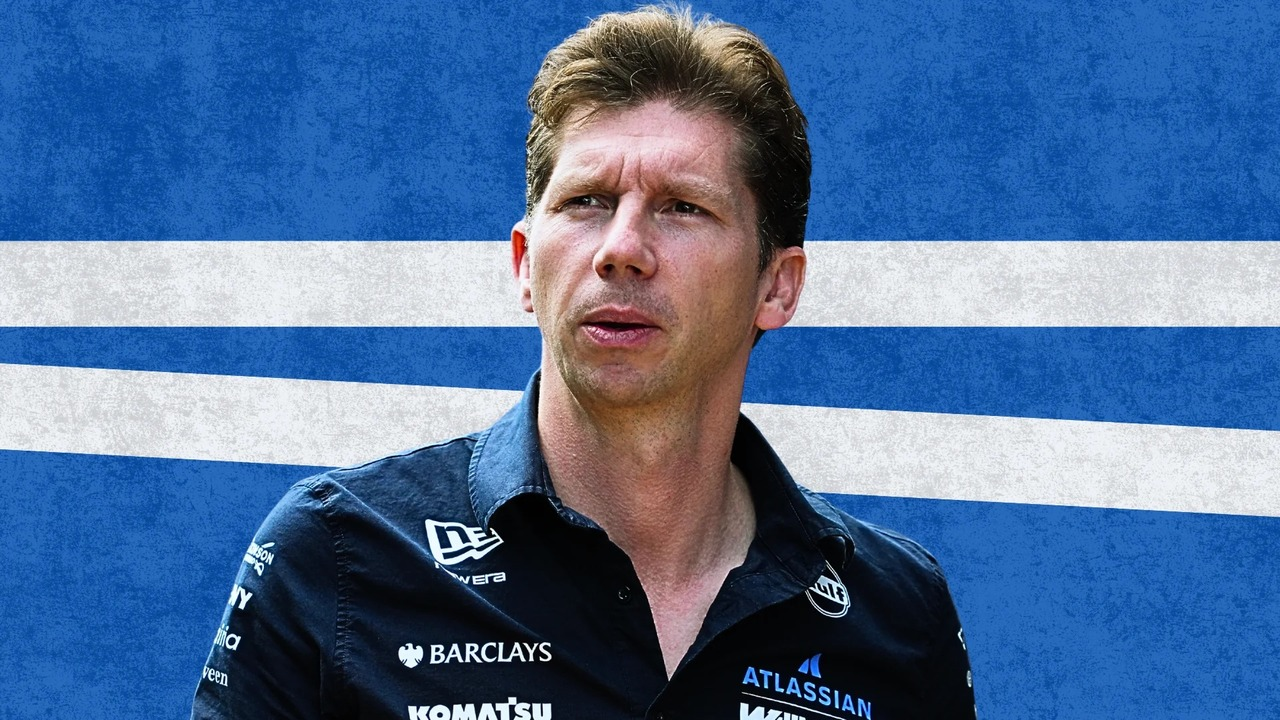
Williams also found that the car lacked broad performance. A setup that helped one corner type could create weakness elsewhere. That made it harder to provide Sainz and Albon with a predictable balance. These limits were visible across different circuits. The team sometimes showed useful speed, but it could not repeat the same level through a full weekend. Vowles said the difficulties exposed areas where Williams still needs better tools and processes. The statement placed responsibility on the organisation rather than Sainz or Albon.
Sainz and Albon faced the same FW48 problems
Albon has led Williams through several stages of its recovery. He understands how earlier cars generated lap time and where their narrow operating windows created problems. Sainz offers a second viewpoint from recent work at Ferrari. He can compare procedures, simulator preparation and trackside decisions with experience from another large team. Their comments are most useful when engineers can trace them to data. A Formula 1 driver may feel instability before a sensor shows its full effect on tyre temperature or steering input.
Williams then separates symptoms from causes. Removing one balance complaint does not help if the change creates a larger loss in another part of the lap. Sainz and Albon have continued searching for weekends without major mistakes despite the limitations. Strong execution can still produce opportunities when rivals lose time or suffer reliability trouble. Neither Williams driver can remove the car’s weight from the cockpit. Their role is to describe its behaviour accurately and use the available performance without creating more problems.
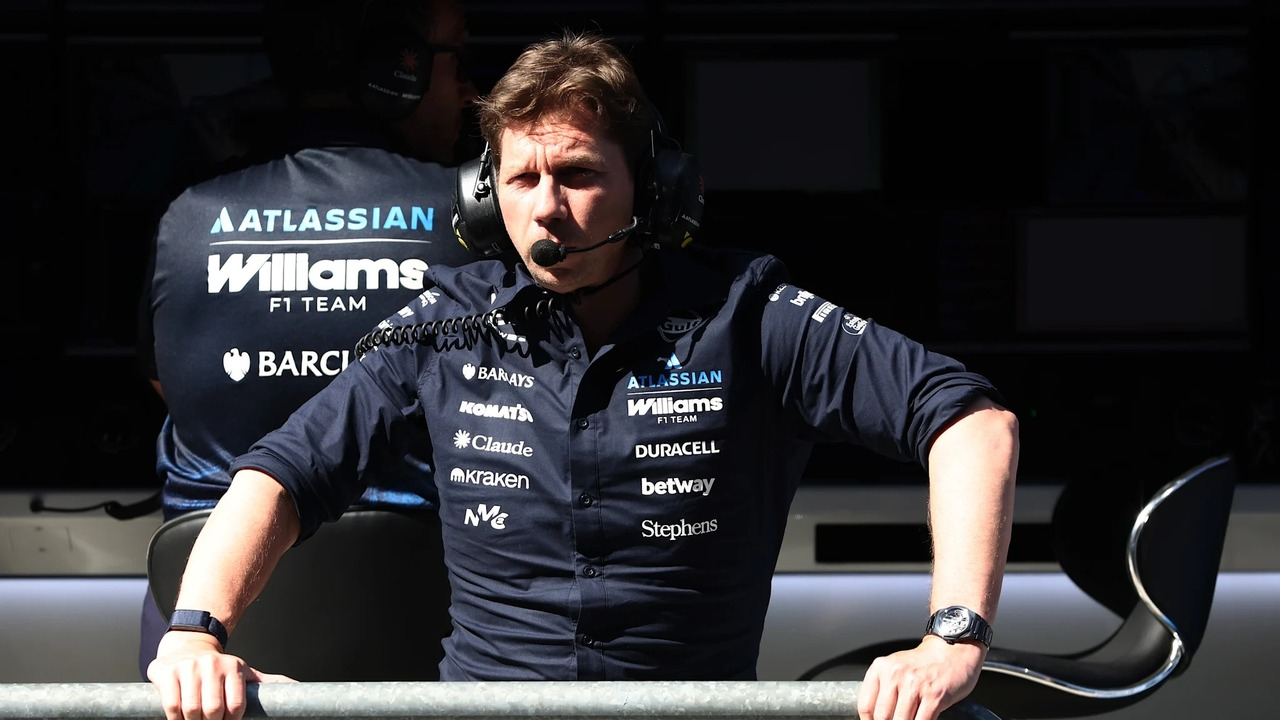
Williams’ project will require more than one season
Vowles joined Williams with a long-term plan for the factory and racing team. That work includes modern equipment, clearer production controls and stronger communication between departments. A difficult car does not cancel the need for those changes. It shows which parts of the organisation are still unable to respond quickly enough. Williams is balancing work on the FW48 with its following project. Both programmes require people, production time and measured development gains.
The team will base that balance on measured gains. Each update has a defined weakness to reduce and a measured result at the circuit. Vowles has remained confident that the broader programme will deliver progress. His confidence does not change the confirmed problems of the current car. The first eleven races exposed a late, heavy and inconsistent package. Williams now has a precise list of weaknesses to address during the rest of the season.

No Comments