
McLaren is examining how Ferrari produced a large number of Formula 1 upgrades during the first half of 2026. Technical director Neil Houldey described the work as an impressive reference.
His comments did not accuse Ferrari of breaking the cost limit. McLaren is studying how quickly a rival moved parts from aerodynamic research into race-ready production.
The new rules created a fast development race
Every team began 2026 with a new chassis and power unit framework. Early races quickly showed which design choices worked and which areas needed correction. Ferrari introduced changes across several weekends instead of waiting for one single package. That approach produced a visible stream of revised components.
Red Bull also maintained a high development rate. McLaren compared both programmes while planning updates for the MCL40. The number of parts does not prove the size of a performance gain. It does show how often a team completed the design, production and approval process.
Houldey praised more than aerodynamic ideas
Houldey is McLaren’s technical director for applied engineering. His responsibilities include reliability, research work and technical matters at the circuit. He said Ferrari’s output was interesting from both aerodynamic and manufacturing viewpoints. A design only reaches the car after several departments complete their work.
New surfaces have to pass structural checks and fit around existing systems. Teams also need enough spare parts for possible damage during a race weekend. Fast production therefore connects factory planning with aerodynamic progress. McLaren is looking at the complete process rather than one photographed component.
The cost limit shapes every decision
Formula 1 teams operate under a financial limit for relevant spending.

Producing several versions of a part can use resources that are then unavailable later. Teams choose when to spend according to their starting position and expected gains. A strong base can allow smaller changes, while a difficult car may require broader work.
Ferrari moved its main attention to the 2026 regulations early during the previous season. That timing gave the team a long period to prepare its first design direction. McLaren continued fighting for the championship throughout the 2025 season. The different schedules help explain why the two development programmes did not begin from the same point.
McLaren has its own package planned for Baku
McLaren introduced smaller changes before the summer break and plans a larger package for Azerbaijan. The Baku weekend takes place late in September. Work completed before that event can still appear as smaller revisions. The team will judge each part through simulation, factory tests and its first track running.
The Baku circuit combines long straights with several slow corners. That layout gives useful information about efficiency, traction and cooling around a demanding street circuit. The package will also influence McLaren’s later decision about the final races. A clear gain could support more 2026 work before resources move toward next year.
Development knowledge can carry into 2027
The 2027 car will not be identical to the MCL40. However, several research methods and production lessons remain useful across consecutive seasons. A reliable correlation between simulation and the circuit helps every later project. Manufacturing improvements can also shorten the time needed for future parts.
McLaren is therefore not treating the current programme as wasted work. The team can learn from successful updates even if the exact surface changes next year. Ferrari’s speed provides another comparison for that process.
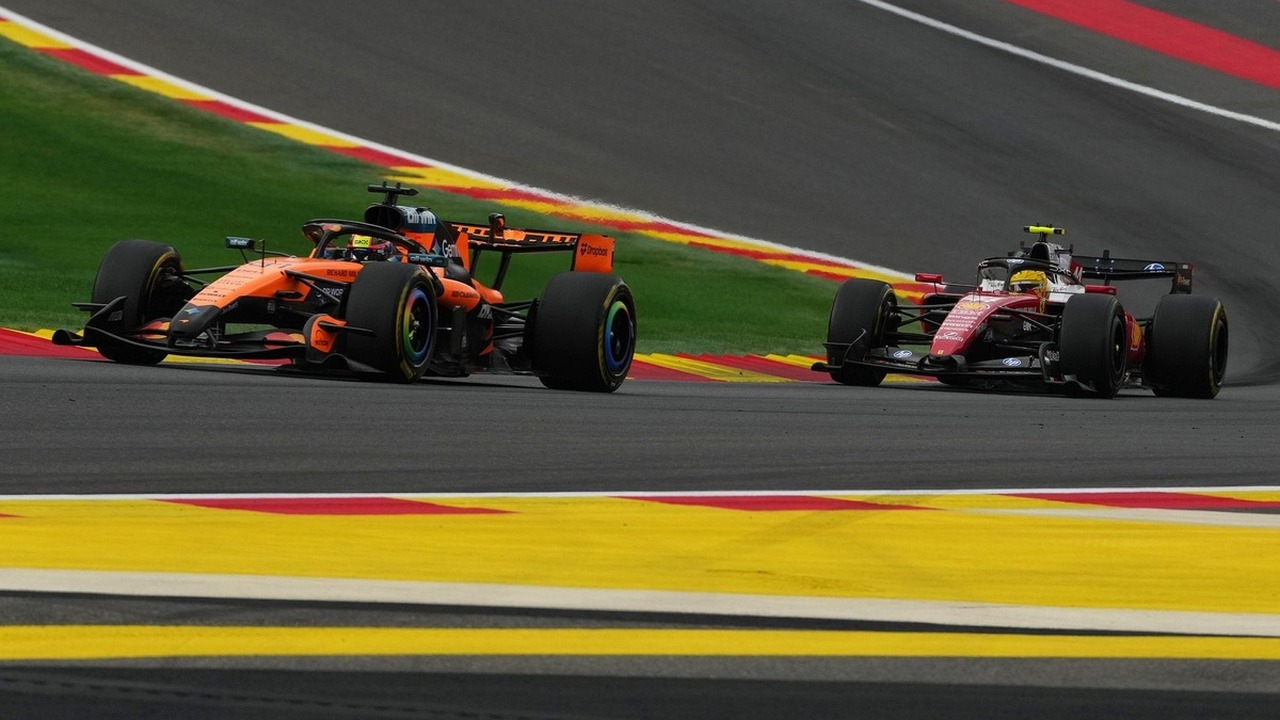
McLaren can measure its own delivery time without copying the rival car’s shape.
Track performance remains the final measurement
Ferrari’s update count attracted attention because its car remained competitive across different circuits. McLaren also improved before Lando Norris won in Hungary. One result cannot decide which development method works best. Temperature, tyre use and reliability can change the order during a single weekend. The second half contains high-downforce circuits, long straights and street layouts. The varied schedule provides measurements across more than one type of circuit. McLaren enters the break with a defined Baku plan. Ferrari’s factory output has given its rival another benchmark for the work completed before then. Ferrari introduced visible revisions to the floor, bodywork and wing package during the opening months. Not every new part represented a complete redesign. Smaller pieces often supported a larger change introduced at the same weekend. Producing that sequence required accurate information from simulation and the circuit. A weak correlation would force the factory to repeat work before manufacturing another version. Houldey highlighted the speed of this process rather than one specific aerodynamic idea. McLaren wants to understand how Ferrari connected research, design approval and production within short gaps between races.
An upgrade reaches the track only after several departments complete their work. Aerodynamicists first identify a useful direction through digital tools and wind-tunnel testing. Designers then make sure the part fits around cooling, suspension and safety structures. Production staff create pieces that must survive race loads and rapid transport. Inspectors check dimensions before the part enters the freight schedule.
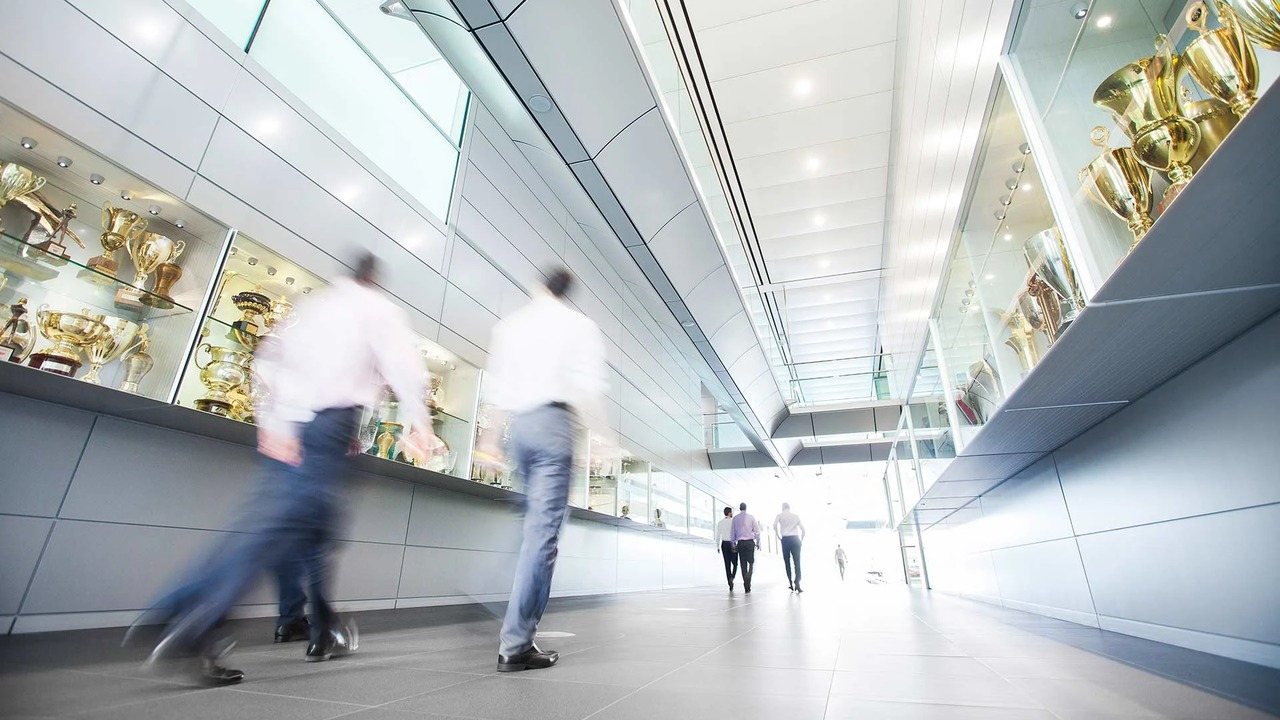
A late problem can delay the whole package even when the original idea worked. Ferrari’s volume suggested that these stages were moving together. That joined process is the part McLaren considers especially useful. The financial limit prevents teams from following every promising idea. Materials, factory time and staff work all consume part of the regulated budget. A rushed component can waste money if it provides no measurable gain. Waiting too long can also leave points available to a faster rival. Teams therefore rank projects by expected performance and production risk. Ferrari chose frequent updates during the first half of the season. McLaren used a different schedule and prepared a larger Baku package. Later race data will compare the performance delivered by those two schedules. Circuit data remains essential after a new part arrives. Engineers compare pressure readings, ride heights and driver comments with the predicted result. Practice sessions may include back-to-back runs using old and new specifications. Similar fuel and tyre conditions make that comparison more useful. If the data agrees, the team can continue building from the same design direction. A mismatch sends the problem back toward research or manufacturing. McLaren’s study of Ferrari concerns this full loop. It does not imply that the two cars will use matching shapes or identical technical solutions. McLaren is studying the timing as well as the shape of Ferrari’s parts. A team gains more value when a useful design reaches the circuit several races earlier. That requires quick production and reliable agreement between factory tools and track data. Houldey described Ferrari’s volume as a useful reference. He did not say that McLaren would copy one visible component. The Baku package remains McLaren’s next planned step. Engineers will use practice sessions to separate the effect of new parts from normal circuit variation. They will also review tyre behaviour and balance through different corner speeds. Only repeatable gains can justify keeping a development direction for later races and the following season.

No Comments