
Audi has reached the middle of its first works Formula 1 season with twelve championship points. The team holds eighth place in the constructors’ standings.
Ten of those points came from Gabriel Bortoleto, while Nico Hulkenberg added two in Hungary. Recent finishes have improved a difficult opening campaign.
The first season began with a major change
Audi entered Formula 1 through the former Sauber operation. The change brought a new works identity while the staff continued racing from its established bases. A new technical era made the project more demanding. Audi had to develop its chassis organisation and power unit programme for the same set of regulations. The team did not expect every system to reach its final level immediately. Early races exposed the distance to the leading group and the crowded midfield.
Each completed weekend supplied data for both parts of the project. Race results showed where reliability and performance work produced a visible gain. Audi’s first campaign combines a new chassis identity with its own power unit programme. The former Sauber operation still provides established staff, facilities and racing knowledge. Works status adds responsibility because the engine and car now belong to one long project. Early problems cannot be sent to an outside supplier for a complete answer. The Hinwil team and power unit group now share data and priorities. The first eleven races supplied evidence about cooling, energy recovery and installation under competitive loads. Twelve points do not describe every technical gain, but they provide a firm public result. Eighth place records the project’s position before the remaining rounds begin.
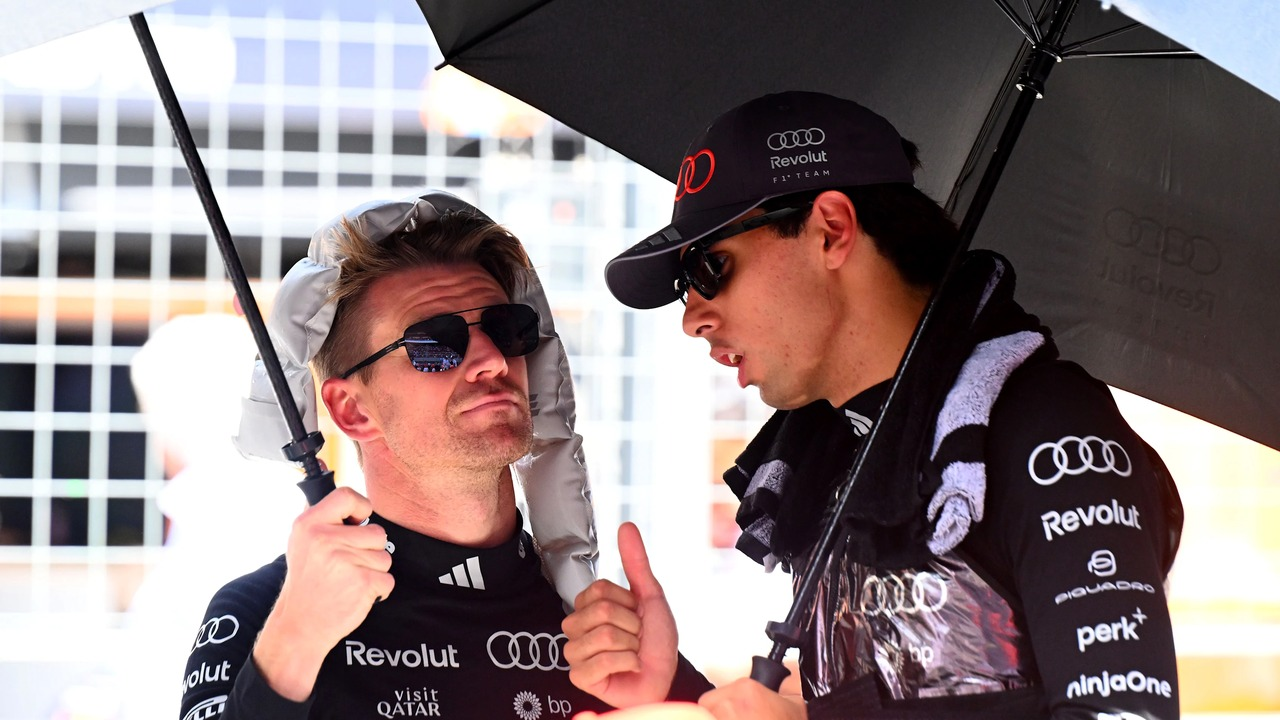
Bortoleto earned most of Audi’s points
Bortoleto collected ten points during the opening eleven rounds. He earned points in Melbourne and later finished eighth in Britain and Belgium. Those eighth places were worth four points each. They showed that Audi could remain inside the top ten when opportunities appeared in changing races. The Brazilian has also led the internal race comparison. He finished ahead of Hulkenberg in seven of the eleven races where a direct result was available. Race comparisons include many circumstances beyond pure speed. They still provide a useful record of how often each driver brought the car to the stronger final position. Bortoleto earned four points at Silverstone and another four at Spa. Those finishes followed his earlier result in Australia and lifted his total to ten. Britain and Belgium placed different demands on the R26 through fast corners and long full-throttle sections. Reaching eighth at both events suggested that the car could use opportunities on more than one layout. Bortoleto also managed pressure from nearby midfield rivals during the closing laps. The result depended on reaching the finish rather than only showing speed in practice. His points gave Audi a stronger championship position before Hulkenberg added his Hungary result. Together, the two drivers produced three consecutive points finishes for the team.
Hulkenberg holds a narrow six-to-five advantage over Bortoleto in qualifying. The margin confirms that the two drivers have remained close over one lap. His first points for Audi arrived with ninth place at the Hungarian Grand Prix. The result added two points before the summer shutdown. Hungary followed top-ten finishes for Bortoleto at Silverstone and Spa. Audi therefore earned ten points across the last three rounds before the break.
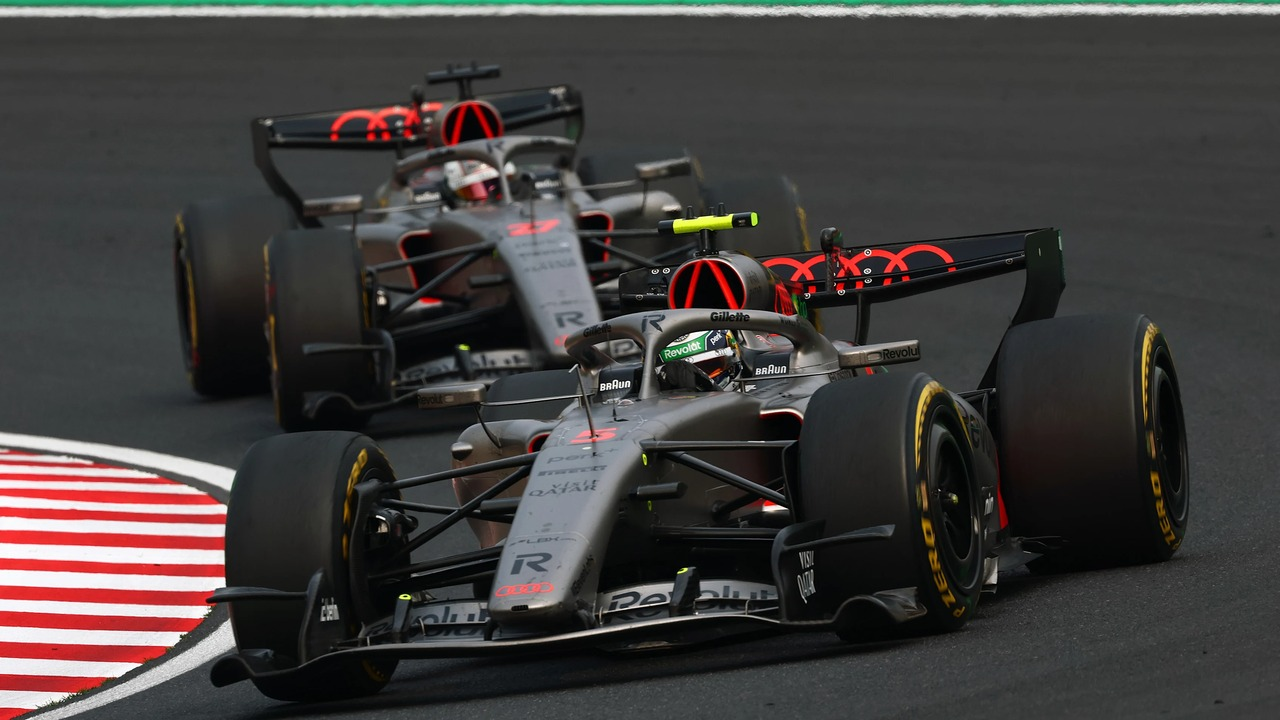
That sequence improved Audi’s record before the break. The team entered the pause with evidence of progress from three different circuits.
Barcelona showed how small faults become costly
Hulkenberg lost a possible result in Barcelona after contact with the gravel activated the car’s kill switch. The shutdown removed him from the race. The incident showed the sensitivity of a new car and power unit package. A brief trip beyond the circuit can trigger consequences that continue after the driver returns to the track. Engineers can now study the sequence and improve protection against a repeat. The lesson concerns both hardware behaviour and the conditions that caused the safety response. No later estimate can restore the lost race. The useful outcome is a clearer understanding of how the complete system reacted under stress. Hulkenberg and Bortoleto remain close in qualifying despite different levels of Formula 1 experience. A six-to-five comparison means neither driver has controlled every Saturday. That balance helps engineers because both sides of the garage can reveal a useful setup direction. Race comparisons are less complete when reliability removes one car from the result. Barcelona demonstrated the cost when Hulkenberg’s car shut down after the gravel excursion. The missed finish denied the team both a possible position and full-distance component data. Later points cannot change that result, but they show the package operating more reliably. Audi now has a clearer list of faults and strengths for the second half.
Silverstone, Spa and Hungary gave Audi three consecutive points finishes. The car remained outside the leading group but moved closer to regular midfield competition. Three very different circuits strengthen that conclusion about Audi’s recent progress. Silverstone demands high-speed confidence, Spa combines long straights with major elevation changes and Hungary rewards stable cornering. Points at all three venues suggest that the improvement was not limited to one track layout. The team still needs a larger sample after the break. Eighth place remains vulnerable because the midfield gaps are small. One strong weekend for a rival can quickly change the order behind the leading teams. The 2030 title ambition belongs to a multi-season programme rather than the current table. Recruitment, facilities and power unit development will continue while the team races. Current decisions connect immediate reliability with the longer technical direction. A midfield gain can be meaningful even when it changes only one championship place. Rivals are developing at the same time, so Audi cannot judge progress in isolation. The final three rounds before the break provided the most encouraging sequence so far. Clean weekends produced that run of points before the summer pause. The present record remains twelve points, four top-ten finishes and eighth place after eleven Grands Prix.
Audi keeps a long-term target
Mattia Binotto has described 2026 and 2027 as foundation years for the works project. Audi’s declared long-term ambition is to compete for the title by 2030. That timetable places the current points in a wider programme. Staff recruitment, facilities and power unit development continue alongside each race result. Jonathan Wheatley’s departure changed the senior structure during the first season. The remaining leadership now coordinates decisions across the two technical bases.
Audi begins the second half with twelve points and eighth place. Its three recent scoring weekends provide the clearest current performance reference. The summer shutdown pauses factory production for a regulated period. Audi entered that pause with a clearer competitive reference than it held in June. Engineers can compare three scoring weekends with earlier races just outside the points. Driver feedback from both garages identifies changes that worked across several circuits. The Dutch Grand Prix is the first round after the break. Zandvoort supplies another comparison through its banking and fast direction changes. Audi resumes the season with twelve points and eighth place in the constructors’ standings.


No Comments