
Liam Lawson entered Formula 1’s summer break with a much stronger position than one year earlier. Racing Bulls have regularly led the group behind the leading teams, while Lawson has earned points on different types of circuit.
The New Zealander described steady preparation as an important part of that progress. He now prepares for every race with the same team and the same engineers.
A stable season changed Lawson’s preparation
Lawson’s previous campaign began with two difficult rounds for Red Bull. He then returned to Racing Bulls and had to settle into another working group. That sequence made every early weekend more complicated. The current year has followed a more stable pattern. Lawson began the season with Racing Bulls and kept the same engineering support. Regular communication has helped the team understand his comments about the car. Lawson and Lindblad use practice sessions to compare balance through slow and fast corners. They also study tyre behaviour across longer runs. Familiar language makes those discussions quicker and more precise.
Lawson said the car has allowed both Racing Bulls drivers to lead the group behind the fastest teams. Racing Bulls have earned points at several circuits rather than relying on one unusual result. That consistency matters during a long season. Small gaps separate the teams behind the leaders. Accurate qualifying laps often decide whether a Formula 1 driver can fight for points. Lawson has looked more settled during those sessions. He can now begin a weekend with knowledge collected at earlier races. The engineers can also compare his latest feedback with a larger set of familiar data.

Racing Bulls built results on different circuits
The opening eleven races included street tracks, permanent circuits and changing weather. Racing Bulls remained competitive across that range. The car did not depend on one corner type for all its speed. Lawson still faced several difficult sessions during the opening races. Qualifying gaps often stay within a few tenths of a second. One slow sector can therefore cost several starting positions. His better weekends began with structured practice work. The team avoided rushing changes after every lap. Engineers instead separated genuine balance problems from tyre temperature or traffic.
Race execution then became equally important. Lawson protected tyres when required and attacked when a clear chance appeared. He also completed demanding opening laps without adding unnecessary damage. Racing Bulls have used both cars to gather information. Rookie Arvid Lindblad brings another driving style and a fresh set of comments. Lawson provides experience from several Formula 1 teams and roles. Their combined work has kept the team near the front of the chasing group. It has also given Lawson a direct comparison inside the same garage.
Lawson and Lindblad share the Racing Bulls garage
Lindblad arrived as a rookie after moving quickly through the junior categories. He needed to learn race procedures, tyre management and the detailed Formula 1 weekend routine. Lawson had already learned the Formula 1 routine through reserve duties and earlier race starts. That experience allowed him to focus more closely on performance while his team-mate learned many procedures for the first time. The partnership still works in both directions. Lindblad’s speed gives Lawson a useful comparison, especially during qualifying. Different setup choices can change how each racing driver approaches the same corner.
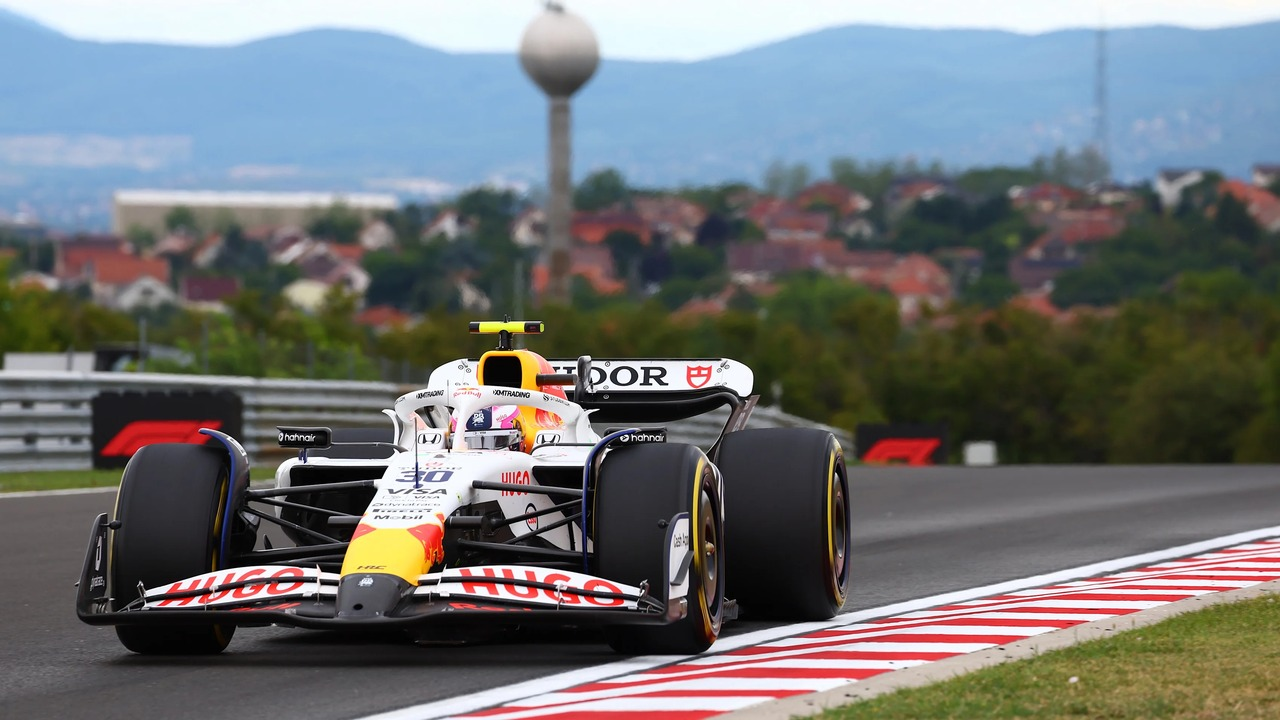
Racing Bulls can inspect both approaches before choosing its race settings. Lawson and Lindblad do not need to describe the car in identical words. Each description needs to remain clear and consistent. Lawson has spoken positively about the rookie’s contribution. Their relationship has stayed focused on team progress, even when they compete for the same grid positions. That balance is valuable for Racing Bulls. Every point can affect the final championship order. Two reliable sources of data help the engineers make better decisions during limited practice time.
Racing Bulls enter the remaining races with points
The summer break gives Racing Bulls time to review the opening part of the campaign. The team can compare strong weekends with races where its pace did not become points. Lawson enters that review with a clear reference. His strongest results came after calm preparation, accurate qualifying work and disciplined races. Those elements can travel to the remaining circuits. Rival teams also introduced updates before the summer break. Those changes repeatedly altered the gaps between cars during the first eleven races.
Racing Bulls cannot control those rival updates. It can control reliability, pit work and the quality of information shared between its racing drivers and engineers. Lawson’s personal target is similarly direct. He wants to repeat the level already shown and avoid weekends where small errors limit the result. His opening eleven races showed that Racing Bulls can lead the chasing group. The remaining races will show how often the team can convert that pace into points.


No Comments