
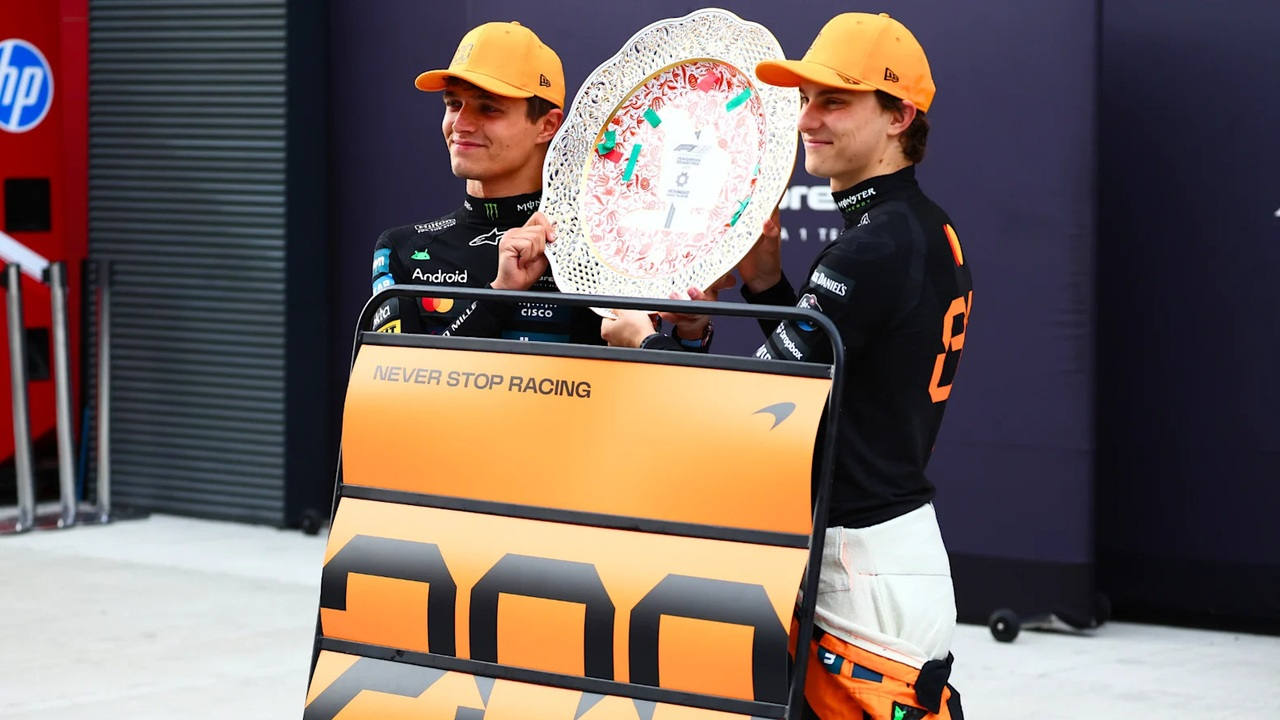
Formula 1 travels directly from Belgium to Hungary for the next championship round.
Practice opens the weekend before qualifying sets the grid. The Grand Prix closes the programme, with Formula 2, Formula 3 and Porsche Supercup also racing.
Friday opens with running in four categories
Friday opens with junior practice before Formula 1 takes the circuit. The first senior session follows the presentation period. A second practice closes the afternoon.
Saturday begins with the junior sprint and Porsche qualifying. Formula 1 then receives its final practice hour. The afternoon ends with senior qualifying.
Three practice sessions precede standard qualifying on Saturday.
Race day starts with the junior feature events
Sunday starts with the Formula 3 feature race. Porsche Supercup and Formula 2 follow before the main Grand Prix build-up.
The Hungaroring is a compact circuit near Budapest. Its linked corners leave drivers little time to reset between turns.
The purpose-built venue sits outside central Budapest. Its enclosed layout gives spectators broad views across several corners.
Lewis Hamilton holds the standing race lap record at the Hungaroring.
The Hungaroring leaves little time between corners
The Hungaroring has few long straights. Several corner sequences follow without a long recovery period.
The connected corners give the lap a compact rhythm. Formula 1 teams usually choose high downforce here.
The start-finish straight provides the clearest heavy-braking approach. Most remaining corners follow in quick succession.
Formula 2 and Formula 3 hold sprint races on Saturday. Their feature races follow on Sunday morning.
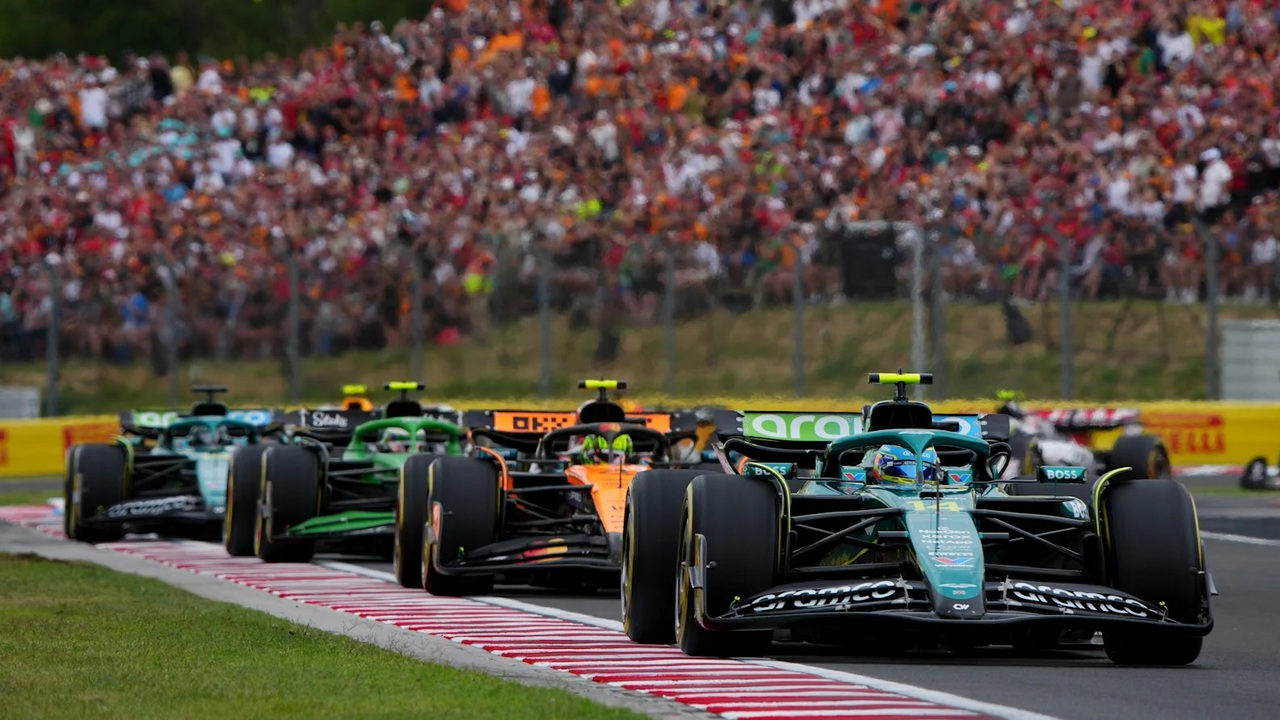
Support races fill the morning schedule
Both junior categories use sprint and feature races. Porsche Supercup has one race after qualifying. These events fill the hours before Formula 1.
Junior press conferences follow their qualifying and race sessions. Porsche Supercup practice closes Friday’s track programme.
The Hungaroring occupies a purpose-built site outside central Budapest, rather than the former park course.
Surrounding ground forms a natural bowl around much of the track. Grandstands near the main straight can also provide views toward other circuit sections.
The circuit was built quickly for its first Grand Prix. Its location and general form have remained familiar ever since.
The complete weekend timetable
It is the final senior track session that day.
Its maximum duration is thirty minutes plus one lap.
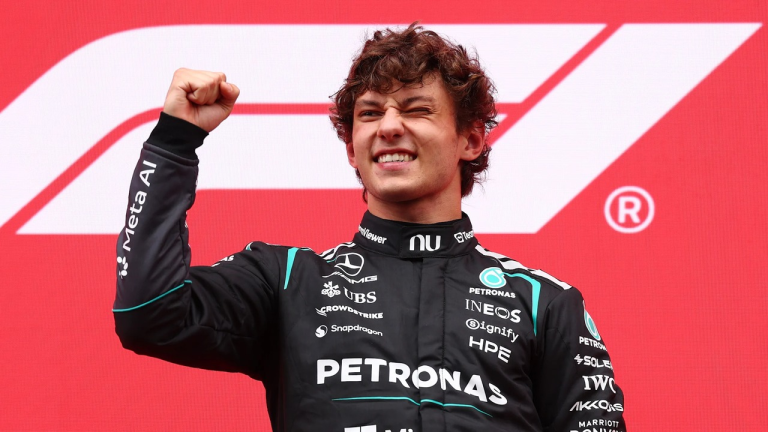
The previous Formula 1 round ended with Kimi Antonelli winning at Spa.
The Hungaroring has held a long and continuous place on the championship calendar.
| Weekend | Final weekend of July |
|---|---|
| Qualifying | Saturday afternoon |
| Grand Prix | Sunday afternoon |
| Circuit | Hungaroring |
The circuit links medium-speed corners into long sequences. A small mistake can damage several turns rather than one isolated corner.
Teams usually favour strong downforce because clean direction changes matter throughout the lap. Straight-line speed remains useful, but it is not the only priority.
Track position carries unusual value here. The narrow layout gives drivers fewer simple passing chances than many modern circuits.
Qualifying therefore shapes much of the weekend. Drivers need clear space because traffic can interrupt the rhythm of a fast lap.
The surface can change quickly as support races add rubber. Teams must compare each session carefully before choosing their final setup.
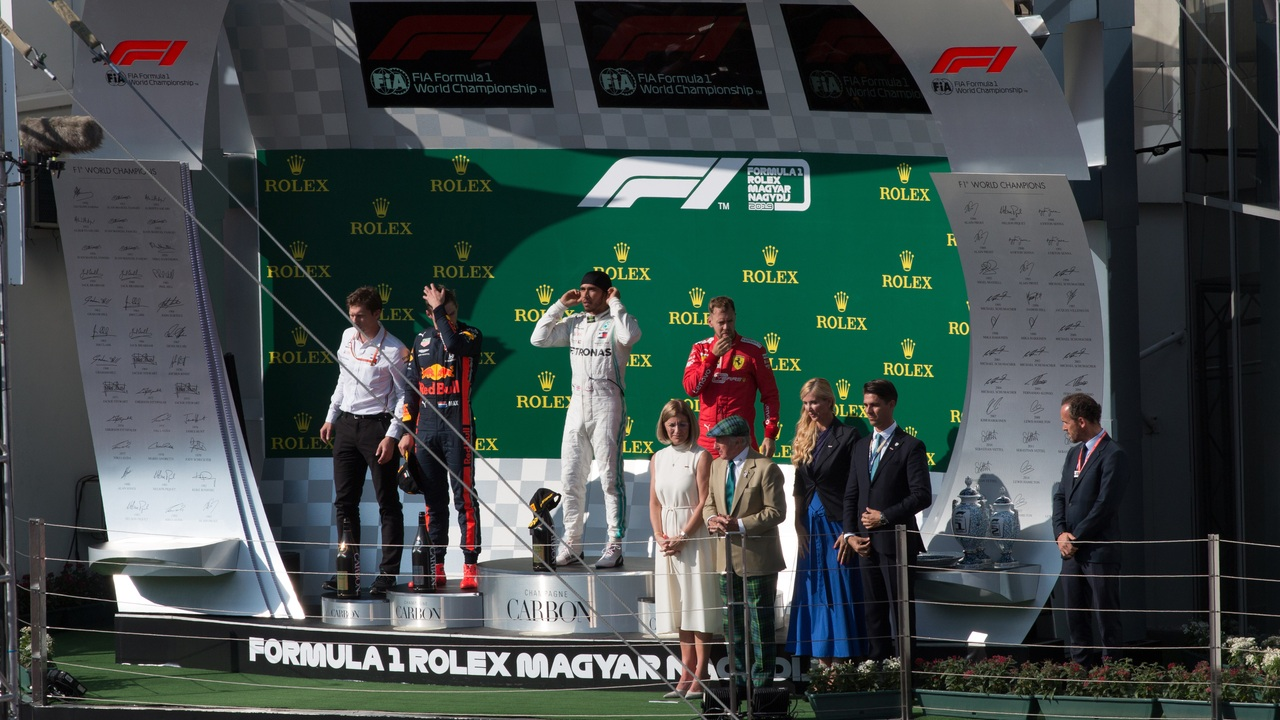
Tyre management becomes important when the circuit is hot. Drivers need grip late in a stint without losing pace through the linked corners.
Friday practice lets teams compare longer runs and qualifying balance. Saturday then narrows the focus before the grid is decided.
Junior races add useful information about grip and overtaking. Their sessions also affect the track before Formula 1 returns.
The opening sector rewards accurate braking and a stable front end. The middle part then tests balance through repeated changes of direction.
The final corners influence speed onto the main straight. A poor exit can leave a driver vulnerable into the first braking zone.
Weather can alter the value of every practice run. Teams must react to changing temperatures without losing their main race balance.
The weekend ends a demanding sequence after Belgium. Recovery, preparation and reliable execution will matter across every session.
Pit-lane timing also matters because the circuit can become crowded quickly. A delayed release may cost a driver a clean qualifying lap.
Race starts often create the clearest early passing chance. Drivers must balance aggression with the narrow approach into the opening corner.
Later overtaking usually needs strong tyre grip and a better exit. Following closely through the middle sector remains difficult.
Reliable pit work can protect track position during the Grand Prix. A slow stop is especially costly on a circuit with limited passing space.
The winning package needs more than raw speed. Qualifying execution, tyre care and calm strategy must support one another throughout Sunday.
No Comments