
Red Bull reached Formula 1’s summer break with two victories from the first eleven Grands Prix. Isack Hadjar won in Miami, while Max Verstappen took the Canadian Grand Prix. The team also collected five pole positions during a demanding opening half of the new technical era.
The results came from two drivers who often produced similar qualifying speed. Their race weekends were less even because incidents and reliability changed several outcomes. Red Bull enters the second half with clear strengths over one lap and more work to complete across full race distances.
Miami gave Hadjar his first Formula 1 victory
Hadjar converted a strong Miami weekend into the first Grand Prix victory of his career. He controlled the decisive stages and kept the car inside its best operating range. The result gave Red Bull an early reward after a winter built around completely new regulations. The win also changed how rivals treated Hadjar on later weekends. He was no longer viewed only as a young driver learning a leading car. His race management in Miami showed calm judgement when tyre condition and traffic required different choices on consecutive laps.
One victory did not remove every weakness from the package. Red Bull still found circuits where balance moved between slow and fast corners. Miami proved that the car could win when setup, tyre use and track layout worked together.
Verstappen answered with a controlled win in Canada
Verstappen added Red Bull‘s second victory in Montreal. The Canadian circuit places heavy demands on braking stability and traction from slow corners. He used those areas well and protected the lead without creating unnecessary tyre stress. Canada mattered because it followed weekends where Red Bull had left points on the table. A clean race gave engineers a complete set of data from qualifying to the final lap. It also showed that the car remained competitive on a circuit with long straights and repeated kerb use.
Verstappen’s experience was most visible when conditions changed during a stint.
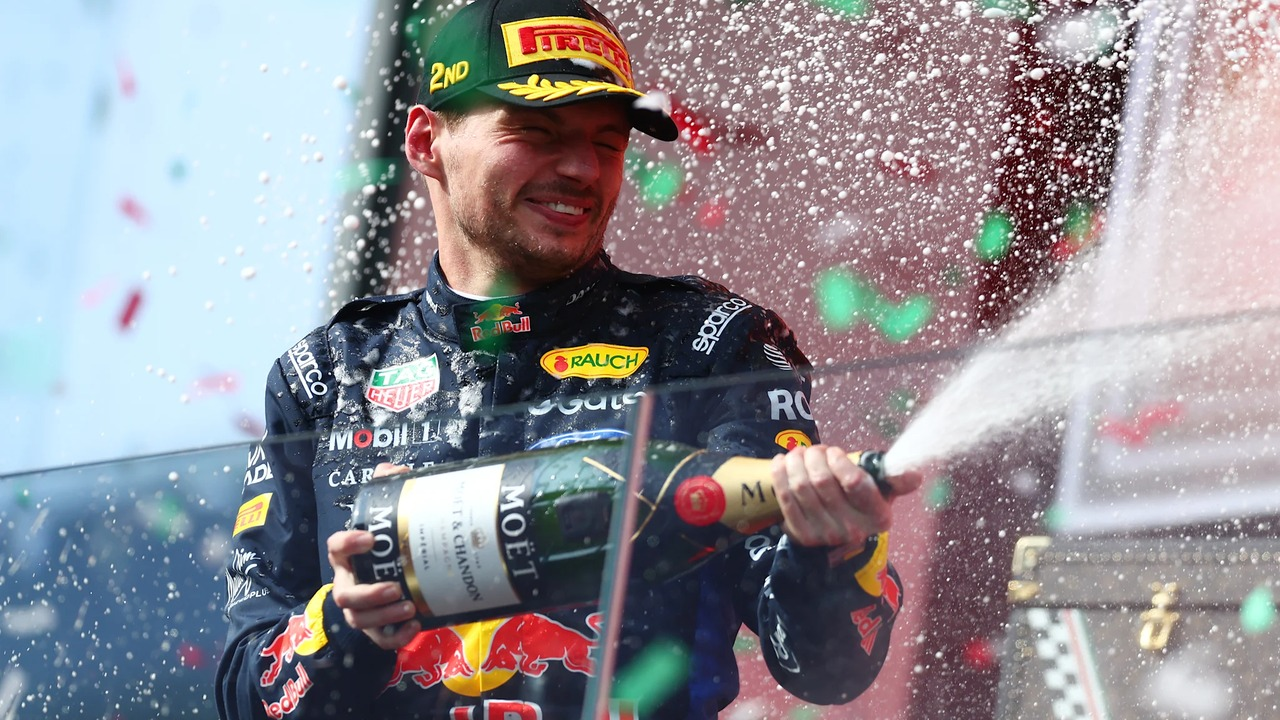
He adjusted his pace before grip fell sharply. That approach reduced the need for a late recovery and allowed the pit wall to use a simpler race plan.
Qualifying remains one of the team’s strongest areas
Red Bull drivers secured five pole positions before the break. Verstappen took three, while Hadjar started first twice. The total shows that the car can produce high peak grip when fuel is low and the tyres are prepared correctly. Their direct qualifying record is close. Verstappen leads by six sessions to five after eleven rounds. Several margins were small enough that one corner or a change in track temperature decided the order.
Race results have created a wider separation. Verstappen leads their completed race comparison by eight to three. Traffic, contact and different strategy windows explain part of that gap, while his longer experience helps him manage difficult Sundays.
| Result before the summer break | Max Verstappen | Isack Hadjar |
|---|---|---|
| Pole positions | 3 | 2 |
| Faster qualifying result | 6 | 5 |
| Higher finish in completed races | 8 | 3 |
The difficult weekends reveal the main development task
Red Bull has not carried its qualifying speed through every race stint. The balance changes as fuel burns away and the tyres age. Drivers then lose confidence at corner entry or wait longer before applying power at the exit. Engineers are working toward a setup that remains effective across more conditions. A narrow setup range sometimes produces pole position, but changing wind or temperature makes the race harder. The remaining calendar gives the factory several different circuits for checking that work.
Reliability remains another part of the result. A fast car cannot recover points lost before the final stint. Red Bull‘s two victories show the car’s strongest performance. The missed results explain why occasional peaks are not enough.
Zandvoort starts a different sequence after the break
The Dutch Grand Prix begins the next part of the season. Zandvoort combines banked corners, short straights and little room for mistakes. Its Sprint format also reduces normal practice time and places greater value on a stable starting setup. The event allows Red Bull to compare both cars under the same compressed schedule.
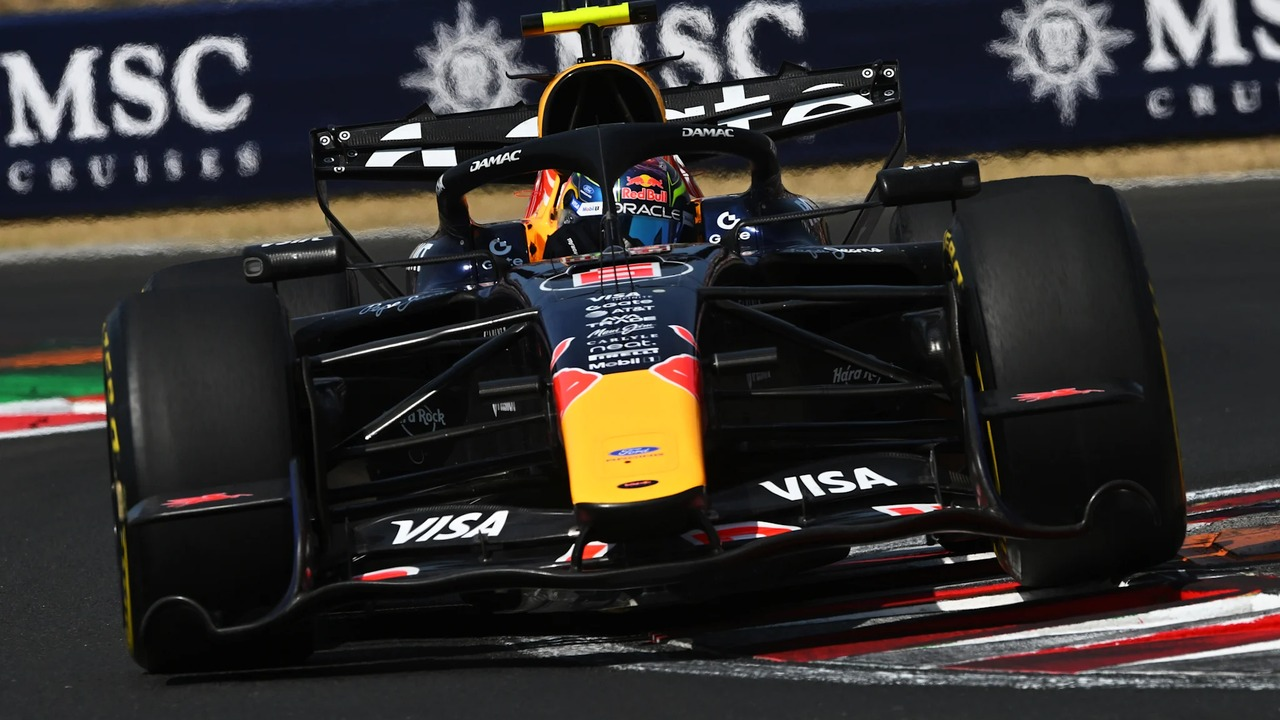
Strong qualifying remains useful there because overtaking is difficult. Long-run balance will decide whether that grid position becomes a large points total.
Two wins and five poles provide a solid base after eleven rounds. Hadjar has already proved he can finish a leading weekend. Verstappen continues to supply the stronger race record. Their combined results leave Red Bull with evidence, not promises, for the work ahead.
Two cars give the engineers a better comparison
Running two competitive cars gives Red Bull more than a second chance to score. Engineers can compare setup choices under the same weather and track conditions. When both drivers report the same weakness, the factory receives a clearer development direction. Different driving styles are also useful. Verstappen may accept a sharper front response, while Hadjar may need a more stable rear axle. The team can study whether one solution improves lap time or only suits one preference.
Data from qualifying and the race answer different questions. A fast single lap shows peak grip. A full stint reveals tyre temperature, balance change and energy use. Red Bull needs both pictures before committing new parts. The close qualifying comparison increases the value of that work. Neither car is simply acting as a distant reference. Small differences can be linked to setup, execution and track position with greater confidence.
One fast car does not secure the constructors’ result
A Formula 1 team enters two cars in every Grand Prix. Both drivers can score points, so the constructors’ result depends on two complete weekends. A victory brings the largest single reward, but regular finishes from the other car remain important across a long season. Red Bull‘s two wins show that the car can lead a race under the right conditions. The less successful rounds reveal a different problem. The team has not produced the same level at every circuit or with every tyre compound. Qualifying can hide or expose that weakness. A place near the front gives the driver cleaner air and more control over strategy. A lower starting position brings traffic, hotter tyres and a greater risk during the first lap.
Race pace also depends on how the car behaves with a full fuel load. Balance can change as fuel burns away. Engineers compare those changes with tyre wear, lap times and the driver’s comments after each stint. The summer break gives the factory a fixed point for that review. The two victories provide proven strengths. The difficult races show which areas need the most attention when development resumes.

No Comments