
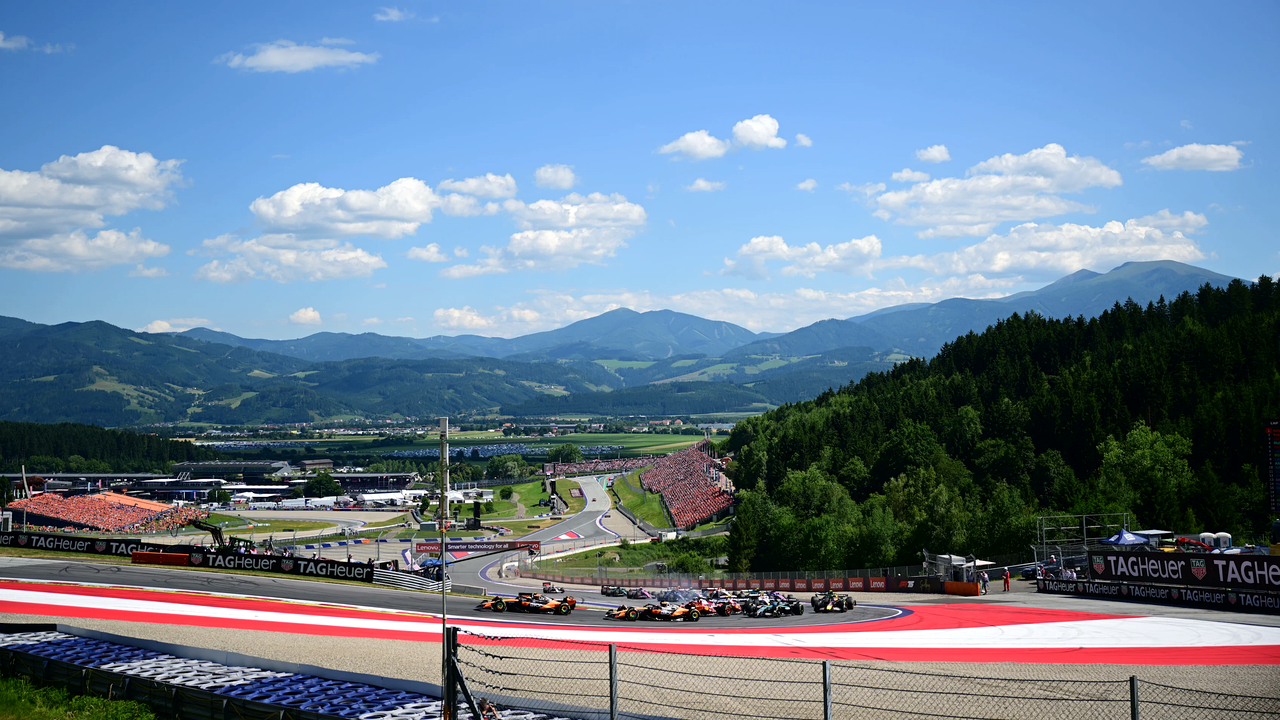
The Austrian Grand Prix is not built on lap length. Its challenge comes from how much the Red Bull Ring compresses into one short, fast, exposed lap.
The first half rewards power and traction over uphill straights, while the second half sends drivers downhill into faster corners.
What changed first
The Red Bull Ring is a 4.326-kilometre circuit. That makes every small mistake more expensive because the lap gives little time to recover. That shifts the early reading from atmosphere to decision-making.
The Austrian Grand Prix is scheduled for 71 laps. The race distance keeps tyre management relevant even on a compact circuit. The detail changes the balance between risk, control and the next selection call.
Where the pressure moved
The first half of the lap features three straights and uphill right-handers. Power deployment and exit grip can change the first timing sector quickly. Its real value will be measured when the same problem returns under heavier pressure.
The second half runs downhill through quicker corners. Drivers need a car that rotates without becoming nervous over elevation. Coaches now have a concrete point for video review, preparation and role definition.
Key details
| Area | Detail |
|---|---|
| Circuit | Red Bull Ring, 4.326 km |
| Race | 71 laps |
| Lap character | power first, fast downhill corners later |
| Key risk | traffic and track limits |
What the next step asks
Circuit supplies the basic measure: Red Bull Ring, 4.326 km. The point the Rindt right-hander is a defining high-speed keeps the assessment inside a concrete frame.
For race, the wording 71 laps matters, while short laps make qualifying gaps tighter than separates evidence from expectation.
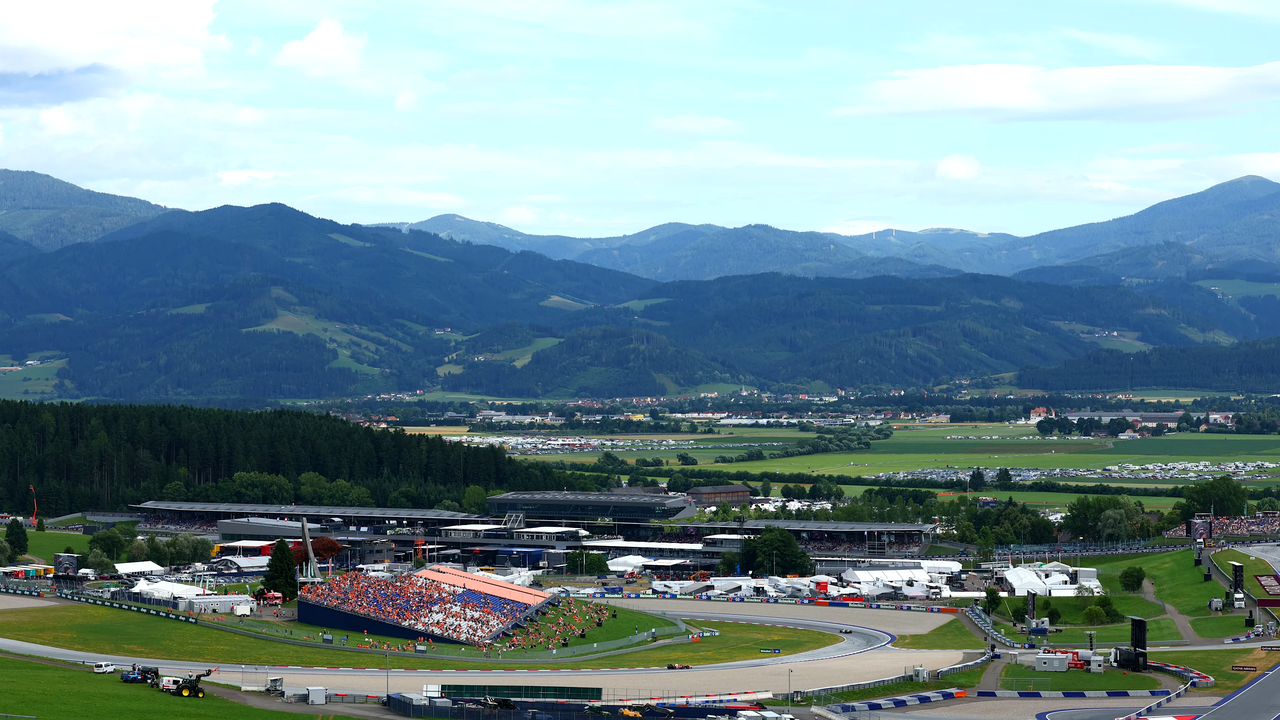
The detail power first, fast downhill corners later explains why lap character belongs in the preparation plan, and traffic can become more costly when the supplies the next checkpoint.
For the final assessment, key risk means traffic and track limits; the signal traction out of slow corners matters because leads to a measurable task.
Why the follow-up matters
The Rindt right-hander is a defining high-speed moment. Confidence there can decide whether a lap is tidy or properly competitive. This is the part of the update most likely to remain relevant after the headline fades.
Short laps make qualifying gaps tighter than usual. A small setup gain can move a driver several places on the grid. The calendar leaves little time for the group to misread what happened.
The smaller detail
Traffic can become more costly when the field is compressed. Qualifying preparation has to include space management as well as pure speed. The next test must separate a stable habit from a short lift in confidence.
Traction out of slow corners matters because the straights arrive quickly. A weak rear end can ruin both lap time and race defence. Result, schedule and execution therefore belong in the same assessment.
The final check
The Austrian weekend will show whether the current competitive picture survives the switch from Barcelona’s longer lap to Spielberg’s compressed rhythm. The baseline for circuit is Red Bull Ring, 4.326 km, with the first half of the lap features as opening evidence.
Qualifying traffic is a competitive issue at Spielberg because a small delay can remove the clean preparation window for a final push lap. The next comparison should keep race beside 71 laps after the signal the second half runs downhill through quicker.
Teams must balance straight-line efficiency with rear stability through the downhill second half of the circuit. For preparation purposes, power first, fast downhill corners later defines the lap character line and the Rindt right-hander is a defining high-speed sets its boundary.
Track limits remain part of the sporting calculation even after circuit changes reduced the scale of the old problem. The practical checkpoint under key risk remains traffic and track limits, supported by short laps make qualifying gaps tighter than.
The short lap can make midfield gaps look tiny, placing extra value on execution in the final practice session. A later review can judge circuit against Red Bull Ring, 4.326 km and the earlier point traffic can become more costly when the.
Tyre behaviour over 71 laps still matters because repeated traction zones can expose overheating and rear degradation. The staff can use 71 laps as the working measure for race while tracking traction out of slow corners matters because.
The championship context raises the cost of an operational mistake for both the leader and the drivers trying to close the gap. Any tactical change has to respect lap character: power first, fast downhill corners later, especially after teams must balance straight-line speed with enough.
The cautious conclusion is still this: Austria’s short lap is a compressed test of power, discipline and confidence
No Comments