

Two corners of the championship map have shifted in a fortnight, and neither move had anything to do with raw pace. Mercedes lost a near-certain win in Montreal and a podium in Barcelona to the same culprit: the high-voltage battery inside its new 2026 power unit. George Russell was leading the Canadian Grand Prix when his car fell silent. Kimi Antonelli was running second in Spain with the finish almost in sight when his shut down.
Two failures, one root cause
The pattern is what makes this uncomfortable for Mercedes. Around Lap 30 in Canada, Russell was controlling the race from the front when a power-unit issue ended his afternoon. Weeks earlier in Barcelona, Antonelli had climbed to second and was three or four laps from the flag when an electrical shutdown stopped him on track.
That shared diagnosis is both reassuring and alarming. Reassuring because a single identified weakness can, in theory, be isolated and reinforced. Alarming because if the fault sits deep in the energy store of an all-new architecture, fixing it is rarely a matter of swapping one part and moving on.
Toto Wolff did not reach for spin. He called the situation “very painful” and admitted it was “not good enough” — blunt language from a principal who knows the difference between bad luck and a problem that repeats. One retirement can be filed under misfortune. Two from the same source, within weeks, reads as a trend the factory has to break before it costs something irreversible.
Counting the cost in points
Reliability stories are easy to wave away until you translate them into the only currency that decides titles. By rough estimate, the Montreal failure cost Mercedes in the region of 25 constructors’ points, while the Barcelona shutdown wiped out around 18 more. Put together, that is a haul large enough to swing a close fight, surrendered not on merit but to a faulty cell.
Here is the strange part of the current picture: Mercedes still sits on top of the constructors’ standings. The car has clearly been quick enough to bank results when it reaches the finish, and the underlying performance is doing the heavy lifting. But a leader that keeps handing back points it has already earned is living on borrowed time.
- Montreal: Russell retired from the lead around Lap 30, roughly 25 constructors’ points lost.
- Barcelona: Antonelli stopped from second with three to four laps remaining, around 18 points lost.
- Common thread: high-voltage battery failure in the 2026 power unit.
- Standings: Mercedes still lead, but the cushion is thinner than the pace suggests.
For the drivers, the human cost is harder to quantify. Russell did everything asked of him in Canada and left with nothing. Antonelli, in only his rookie campaign, was on course for a statement result before the car betrayed him within sight of the line. Confidence in a power unit is built slowly and dented quickly, and you can read more on the team behind it through our Mercedes team hub.
Why the Austrian Grand Prix matters
The next chance to change the narrative comes at the Austrian Grand Prix on 28 June. The Red Bull Ring is short, fast and brutally honest about energy management — long full-throttle stretches load the power unit hard and give little respite between deployment zones. If there is a circuit that will quietly probe a battery’s stamina, this is a strong candidate.
That raises the stakes rather than lowering them. A clean weekend in Austria would do more than add points; it would offer evidence that the factory has understood the failure and contained it.
It is worth stressing what is known and what is not. The Montreal and Barcelona retirements are settled facts on the timing screens. Austria is still ahead, and nothing about its result is decided. The honest framing is simple: Mercedes carries a fast car, a points lead and an open question into the Styrian hills, and the answer will not arrive until the chequered flag falls.
What success in Austria looks like
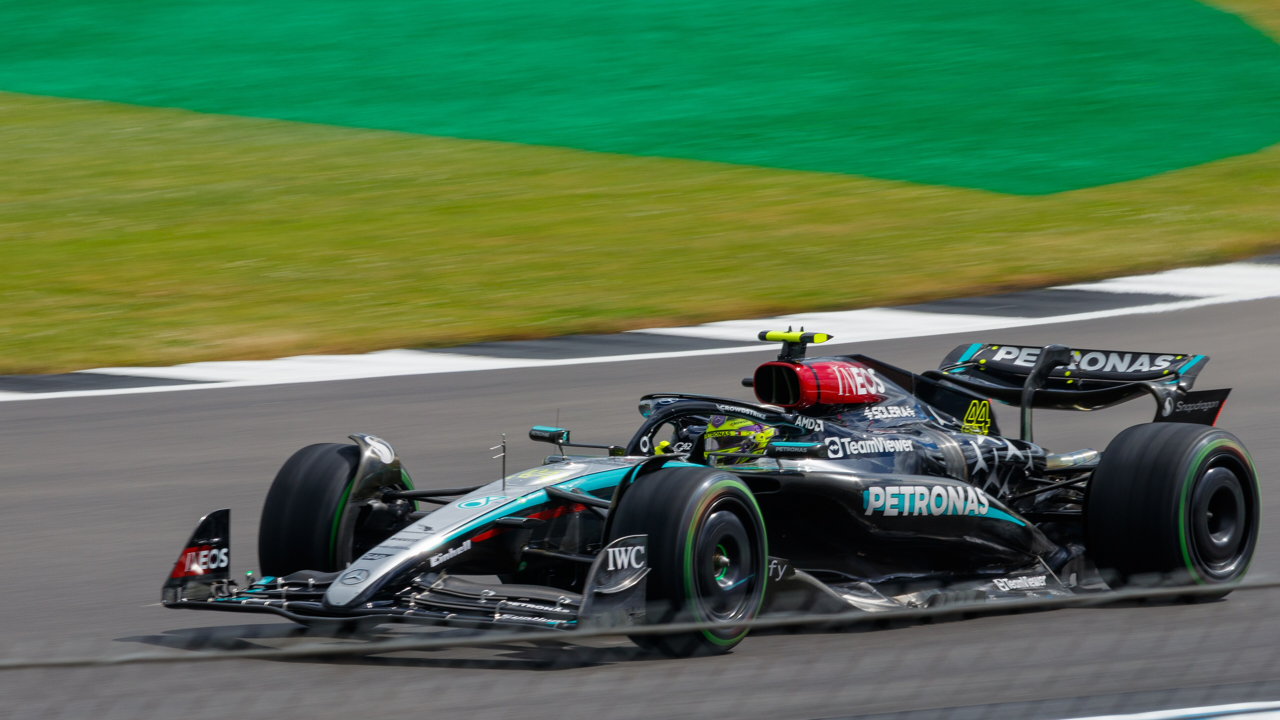
Victory would be welcome, but it is not the real measure this weekend. The meaningful target is both cars reaching the finish under full power, with no warning lights and no nursing of the energy store. If Russell and Antonelli can run a normal race distance without the battery becoming the story, the team will have its first piece of proof that the fault is behind it. You can follow the build-up through our Austrian GP coverage.
Frequently asked questions
What caused the Mercedes retirements in Canada and Spain?
Both failures were traced to high-voltage battery failures in the new 2026 power unit. Russell stopped while leading the Canadian Grand Prix around Lap 30, and Antonelli shut down from second place with three to four laps left in Barcelona — different races, the same underlying weakness.
How many points did the failures cost Mercedes?
By rough estimate, the Montreal retirement cost around 25 constructors’ points and the Barcelona one a further 18 or so. Despite losing that total, Mercedes still lead the championship — a sign the car has the pace to absorb the damage, for now.
When is the next race?
The Austrian Grand Prix takes place on 28 June. It is the team’s next opportunity to prove the battery problem has been solved, and the result is not yet known. For more, see our latest F1 news.
Speed was never the question for Mercedes this season; survival was. The car can win, the drivers have shown they will deliver when the machinery holds, and the standings still flatter a team that keeps leaving points on the road. Austria will not settle the title, but it may reveal whether this is a fast car learning to finish — or a fragile one that lets its rivals back into a fight it should already be controlling.


No Comments