
Cadillac has completed the first half of its debut Formula 1 season without claiming that the early gap can disappear quickly. Team leaders say reaching established rivals will require several years of steady development.
The new team entered the championship with Sergio Perez and Valtteri Bottas. Both drivers brought extensive experience, but the organisation still had to build its own working routines.
A new team starts without years of shared data
Existing Formula 1 teams carry detailed records from every circuit. They know how their tools react to temperature, wind and track surface changes. Cadillac began with simulations but little race-weekend history of its own. Each Grand Prix adds setup notes, tyre information and reliability records. Engineers can compare those measurements with predictions made before the event. Repeated comparisons gradually improve the accuracy of future preparation.
Operational experience also matters during every practice and race weekend. Mechanics practise pit stops, garage changes and repairs under real time pressure. Engineers learn how quickly decisions move between the pit wall, remote operations room and drivers. These gains are difficult to copy from another organisation. Cadillac can hire experienced staff, but the group still needs time to form common methods. A mature team often saves seconds through routines that are almost invisible on television.
Perez and Bottas provide an experienced baseline
Perez and Bottas have worked for race-winning teams and several midfield projects. They understand how a competitive car responds during qualifying and long runs. Their comments give Cadillac a detailed standard for comparison. The two drivers also know different technical cultures. Bottas spent many seasons with Mercedes, while Perez raced for Red Bull and other teams. Similar feedback from both carries extra weight for the engineers.
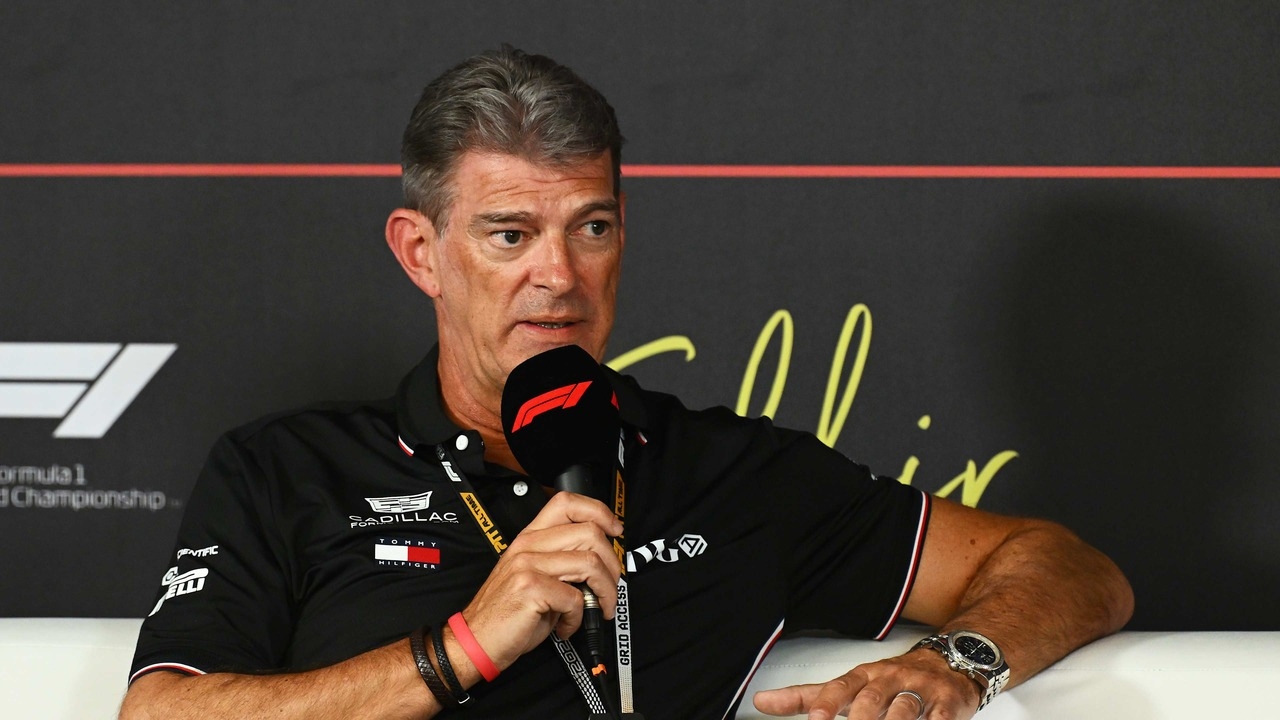
Experience cannot create missing downforce or remove a reliability problem. It can help the team identify the issue sooner. Clear reports also reduce the risk of changing the wrong part of the setup. Cadillac is dividing resources between present results and future development. The drivers race the current car while the factory studies larger changes for later seasons. That split is normal for a new entry.
Facilities and staff determine the rate of progress
Formula 1 performance depends on more than the people visible at the circuit. Aerodynamicists, designers, software engineers and production staff support every update. Their tools also require consistent results. Wind tunnels and computational models need accurate correlation with the track. Manufacturing schedules and tight tolerances affect when new parts arrive. Quality control becomes critical when the team produces several versions for two cars.
Recruitment can strengthen a department, but new staff often have notice periods. They also need time to learn the team’s software and processes. The full benefit may arrive one or two seasons after an appointment. Budget rules limit how much every team can spend on performance work. Cadillac cannot simply remove the gap with unlimited investment. It has to choose projects that provide the best return inside the same financial framework.
Reliability gives the project more useful mileage
Finishing races is especially valuable during a debut year. A complete Grand Prix provides data across fuel loads, tyre compounds and changing track conditions. An early retirement removes much of that information. Reliability work can appear slower than a visible aerodynamic update. It still supports every later gain. A faster car cannot score if cooling, hydraulics or electronics prevent it from reaching the finish.
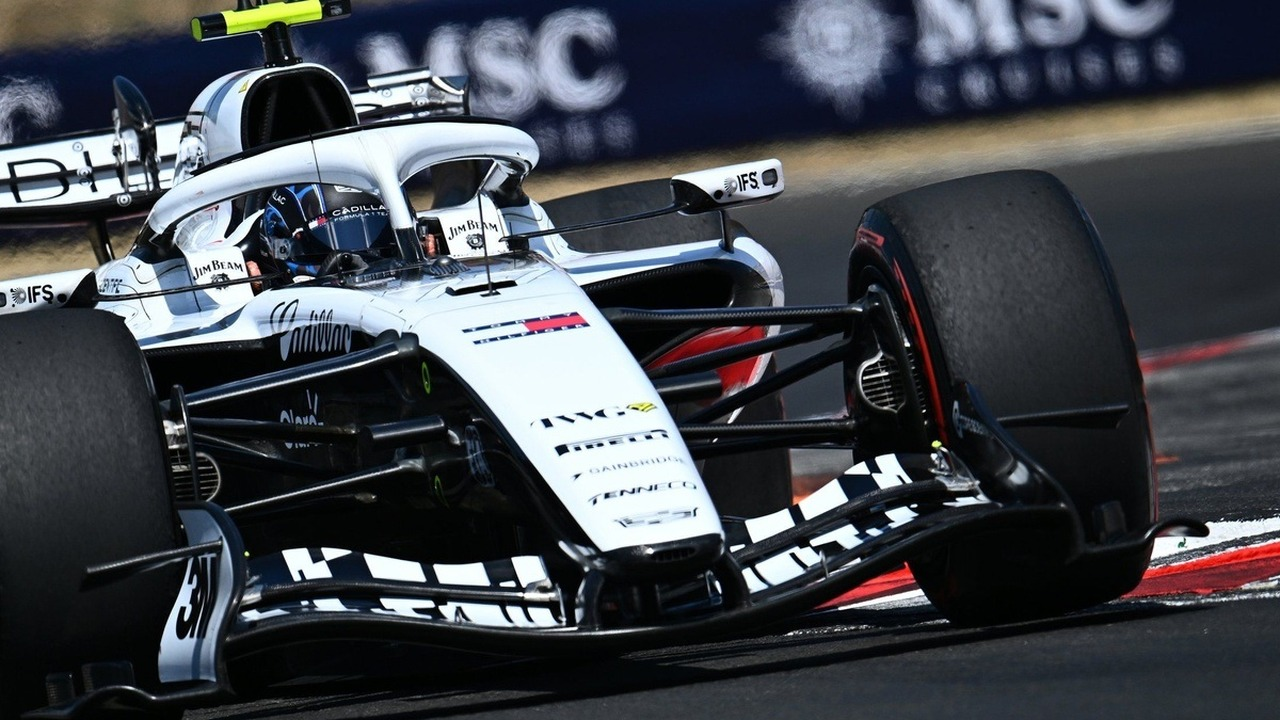
Spare parts also affect the programme. Damage can force a team to use an older specification or reduce Friday running. A stable production system gives both drivers equal equipment more often. Cadillac’s early points total does not describe every improvement. Fewer failures, faster repairs and closer qualifying gaps can show progress before the championship position changes.
The project is judged across several seasons
Cadillac joined Formula 1 to establish a long-term team. Its leaders have therefore avoided setting a short deadline for matching the front. The first season builds the information needed for later cars. Regulations will continue to change during that period. Development of the current package runs alongside preparation for future revisions. Long-term planning protects resources for both programmes.
Perez and Bottas give the factory a consistent reference during the opening phase. Future line-ups may change, but the data and procedures created now will remain inside the organisation. The gap to established rivals reflects decades of accumulated knowledge. Cadillac’s public assessment accepts that scale. Results after each break and each winter will show whether the team is reducing it at a sustainable rate.

No Comments