
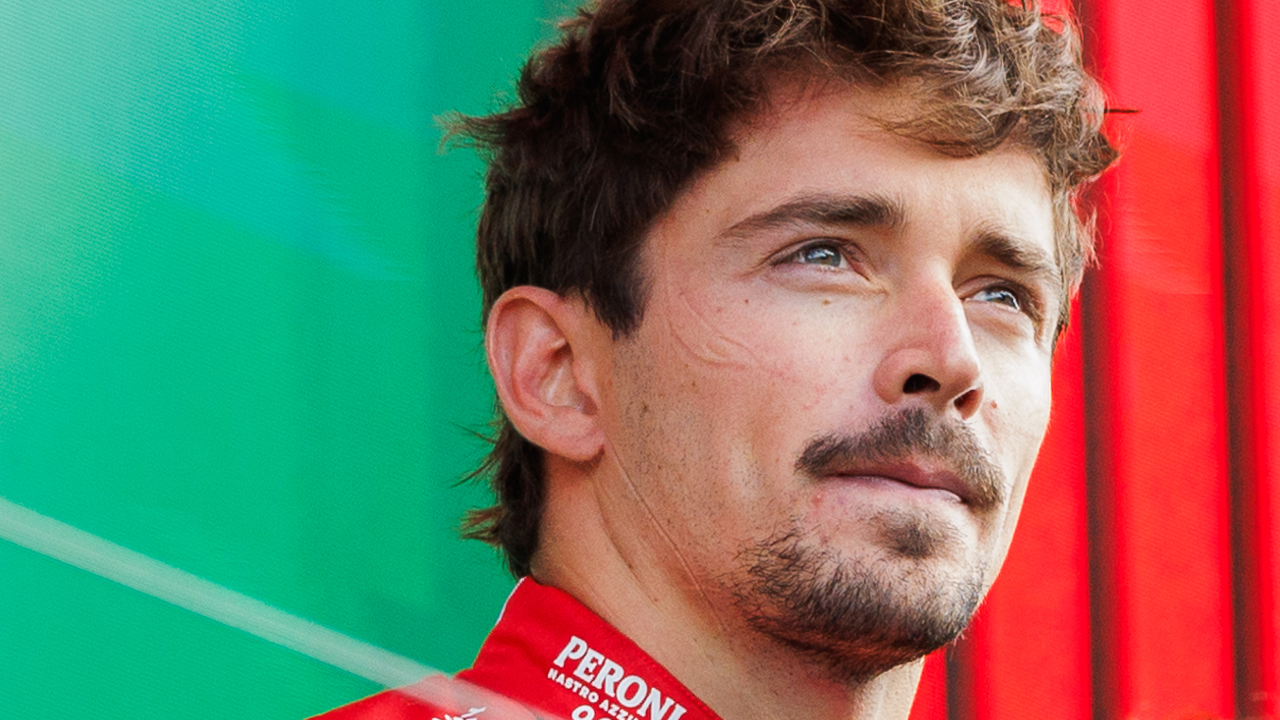
A season that keeps slipping away from Leclerc
There are quiet seasons in Formula 1 and there are loud ones. For Charles Leclerc, 2026 has become the second kind, a run of weekends defined less by what he has won than by what has been taken from him. The Monegasque sits fourth in the drivers’ standings, watching from an uncomfortable distance as the year refuses to settle into anything resembling a rhythm.
The gap is not abstract. Leclerc trails his own Ferrari team-mate, Lewis Hamilton, by roughly 40 points after the seven-time champion moved to second on 115 with victory at the Spanish Grand Prix in Barcelona. One side of the garage is winning races. The other is collecting reasons why it cannot.
The brakes that won’t behave
At the centre of Leclerc’s troubles is a problem that sounds mundane until you understand how much it costs. The brakes on his SF-26 have stopped doing what he asks of them, and the issue has refused to go away.
“For the past two weekends I’ve been facing some issues with the brakes, and I’m struggling on my side with them at the moment,” Leclerc admitted, the kind of plain statement that carries more weight than any complaint.
Braking confidence is the foundation a driver builds a lap on. Lose it and everything downstream suffers, from corner entry to the courage to attack a rival under pressure. The lock-ups have been most visible at the heavy stops, and Leclerc has been left managing a car that punishes him rather than rewarding him.
Monaco, where it hurt the most
The brake gremlins did not appear from nowhere. They first surfaced in Canada and then followed the team to Monaco, the one weekend on the calendar Leclerc most wants to own. The trouble showed up sharply at Turn 5, the Mirabeau corner, where a lock-up is the difference between a clean lap and a ruined one on streets that offer no margin.
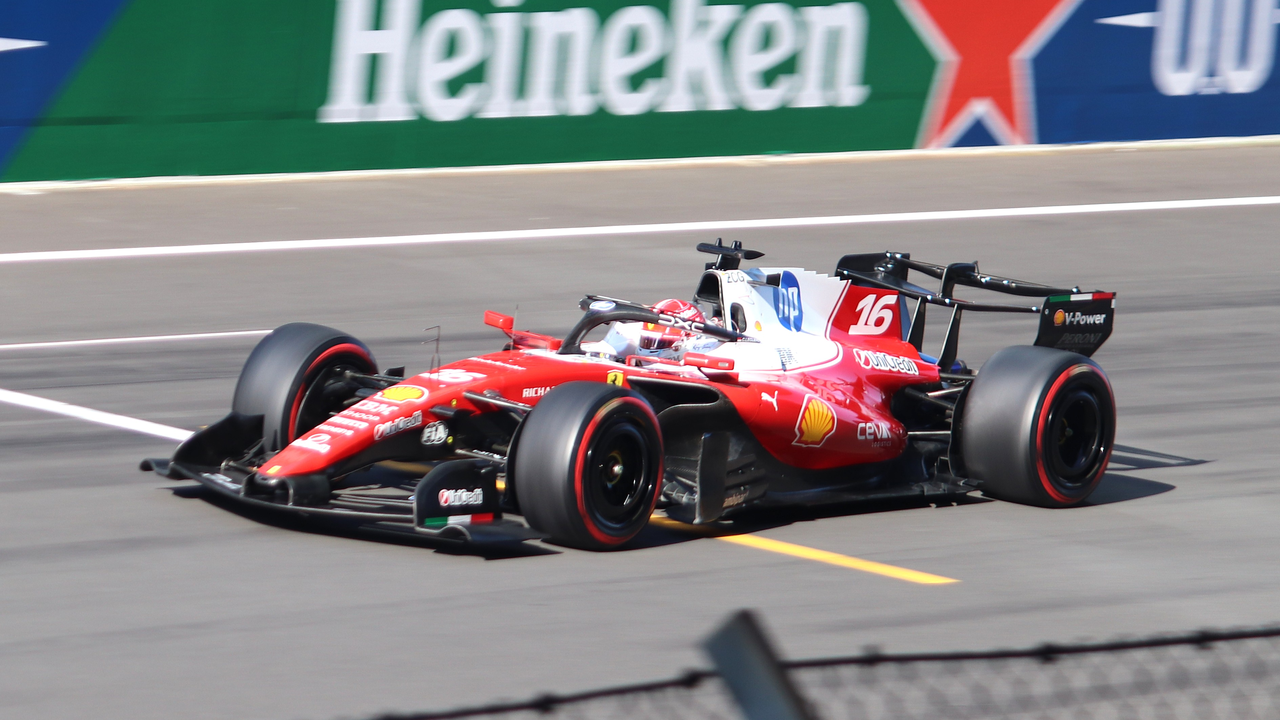
His home race unravelled in stages. He crashed in qualifying, compromising his starting position before the lights had even gone out. Then, with a likely podium in reach, he shunted the Ferrari into the barriers at the final corner ahead of a restart. A points haul that should have been routine for a driver of his class evaporated against the Armco.
Miami and Barcelona keep the pattern going
Monaco was the cruellest example, but it was not the only one. At the Miami Grand Prix, Leclerc spun on the final lap while running in a podium position, throwing away a result that had been firmly within his grasp until the very end.
Then came Barcelona. While Hamilton drove to the win, Leclerc’s afternoon ended in retirement, the SF-26 betrayed by a snap of oversteer and a power-related failure that pulled him out of the race entirely. Three weekends, three different ways to lose, and a points tally that tells none of the story behind it.
| Weekend | What went wrong |
|---|---|
| Miami GP | Spun on the last lap from a podium position |
| Monaco GP | Crashed in qualifying, then hit the barriers before a restart |
| Spanish GP (Barcelona) | Retired with oversteer and a power-related failure |
Ferrari, for their part, have not yet found a cure for the underlying brake problem. Until they do, Leclerc is racing with one hand tied, asking the car for a confidence it cannot return.
The team-mate question
Sharing a garage with Hamilton was always going to invite comparison, and this season has sharpened it into something pointed. The Englishman is converting his weekends into trophies; Leclerc is converting his into hard-luck stories. The contrast is exactly the kind of pressure that can fracture a driver’s belief if it is allowed to.
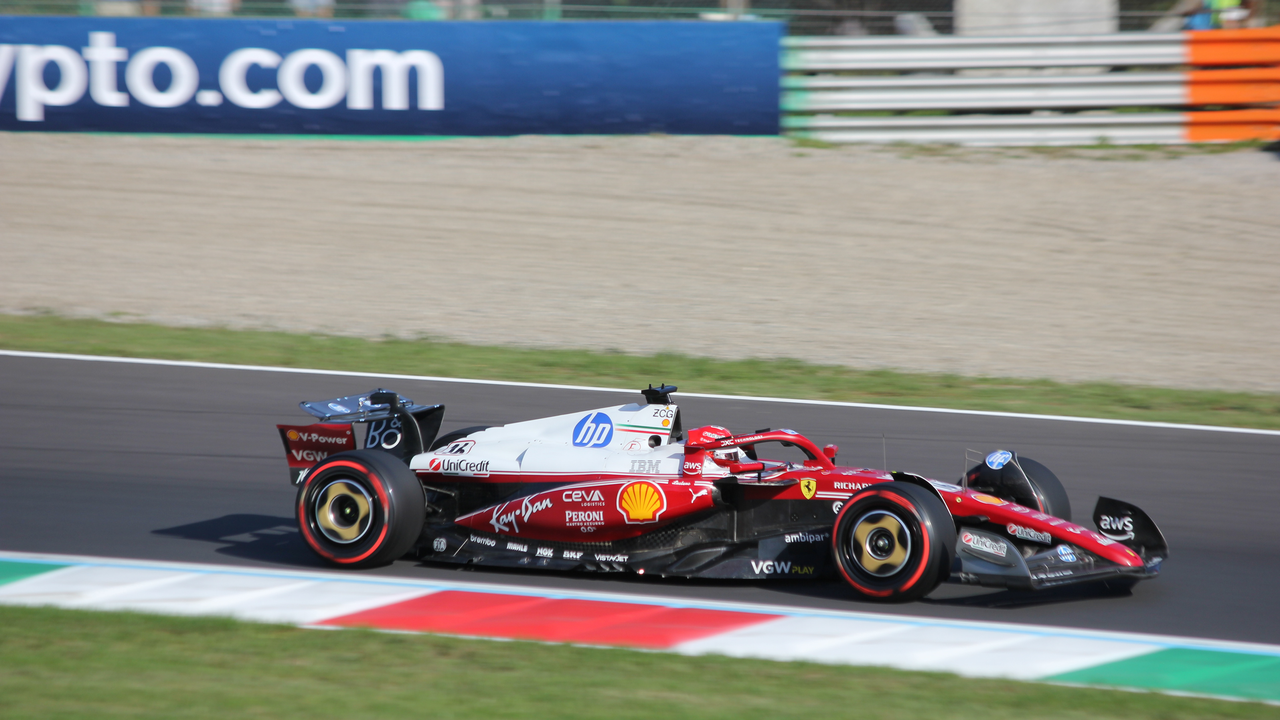
That dynamic mirrors a wider theme running through the paddock, where the gap between team-mates has become one of the defining storylines of 2026. The same searching questions are being asked at Mercedes, where the focus has fallen on how controlling the small details separates one driver from another across a long campaign.
Ferrari, though, are standing firmly behind their man. Piero Ferrari offered public backing, insisting Leclerc “won’t be discouraged by a strong teammate.” It is a message aimed as much at the outside world as at the driver himself, a reminder that the team still sees the talent that the results have temporarily obscured.
What comes next
The cure for a season like this is rarely a speech. It is a clean weekend, the unglamorous business of getting the car to the finish with the brakes behaving and the luck staying neutral. Leclerc has not had one of those in a while, and he knows it.
The next chance arrives at the Austrian Grand Prix on 28 June, a short, sharp circuit that tends to expose any weakness in stopping power and any wobble in driver confidence. It is, in other words, exactly the kind of test Leclerc could do without right now, and exactly the kind he needs to pass to steady his year.
Mercedes are wrestling with their own version of this puzzle, with both George Russell chasing a smooth weekend to reset the team and Andrea Kimi Antonelli describing the search for a clean answer. The theme is universal: in 2026, the drivers who recover fastest from a bad run are the ones who keep their composure while the team finds the fix.
For Leclerc, the maths is simple even if the solution is not. Roughly 40 points separate him from his team-mate, and the brakes that opened that gap are still waiting to be tamed. Austria is where the recovery has to begin.
No Comments