
Toto Wolff’s criticism after Barcelona landed on the part of Mercedes’ weekend that the timing sheets could not soften: reliability.
The team had enough performance to leave Spain encouraged, but Antonelli’s retirement made the operational verdict harsher. A front-running car that does not finish both races cleanly is still an unfinished package.
Reliability becomes the headline inside Mercedes
Wolff’s line matters because Mercedes could have been tempted to hide behind the pace. Barcelona gave the team speed, but the retirement forced the focus back onto durability.
That is especially important because this was not a weekend where Mercedes looked lost. The painful part is that the team was close enough for the failure to change the entire complexion of the result.
Why pace alone is not enough
Pace alone is not enough when the front group is tightening. Ferrari’s win, Russell’s podium and McLaren’s podium challenge all make reliability less negotiable.
Mercedes needs its second car finishing because the points swing at the front is now too expensive to treat retirements as isolated frustration.
| Area | Detail |
|---|---|
| Public verdict | Wolff called the reliability level not good enough |
| Race trigger | Antonelli retired late in Barcelona |
| Competitive cost | Mercedes lost the chance to convert both cars |
| Next check | The same package has to finish cleanly under race pressure |
Key details
The repair has to be visible quickly. Reliability problems are never solved in public with one statement; they are solved when the next race runs cleanly under stress.
That gives the next weekend a clear technical frame. Mercedes does not need to prove it can be fast again; it needs to prove the package can survive being fast.
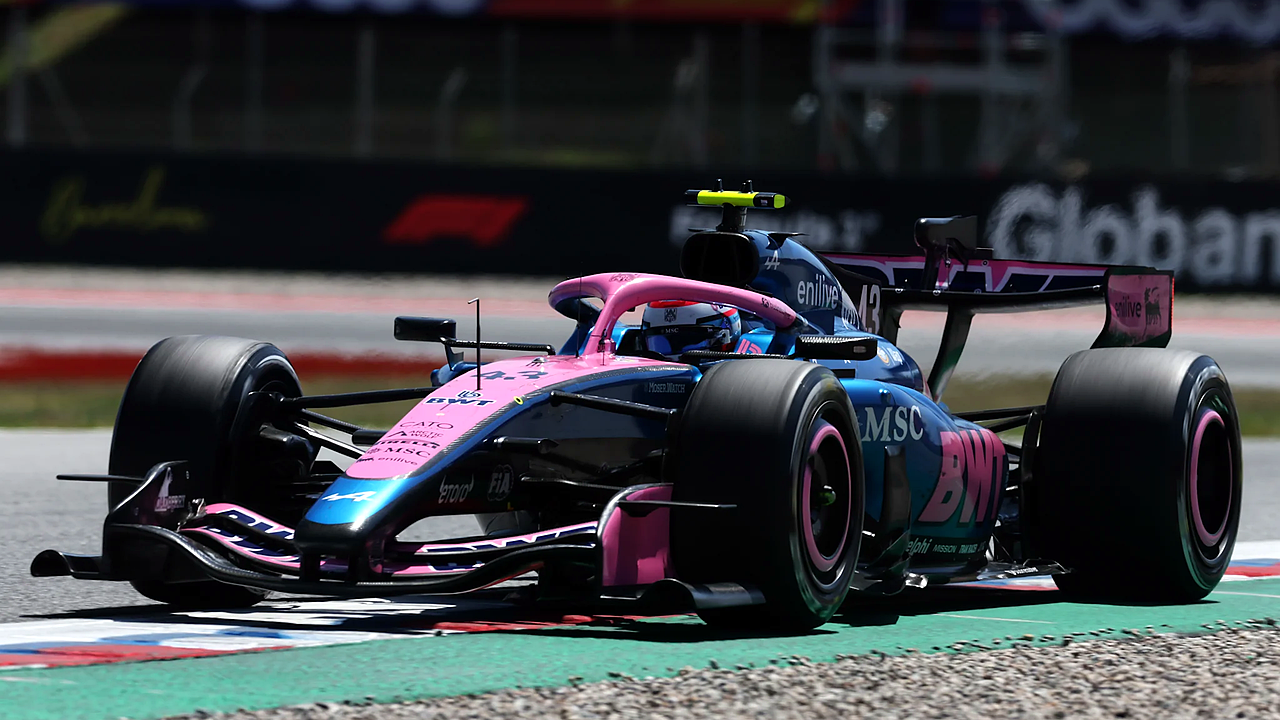
Where the fix has to show
Wolff’s criticism also protects the competitive standard inside the team. A podium cannot be allowed to make a retirement acceptable.
The clean reading is that Mercedes has raised expectations by being quick. Once expectations rise, reliability failures hurt more.
The related angle is clearer next to our Hamilton Wins Driver of the Day as Ferrari Breakthrough Reaches the Fans and Hamilton Gives Ferrari Its Barcelona Breakthrough as Antonelli Retires Late coverage, giving the topic a broader competitive frame.
Bottom line
The bottom line is that Barcelona strengthened and weakened Mercedes at the same time.
The team left with speed in hand, but Wolff’s verdict shows why the result still feels incomplete.
This is not the kind of issue Mercedes can solve with messaging. The team has to arrive at the next race with a calmer technical baseline and then let the race distance prove it.
The useful part of Wolff’s reaction is that it keeps the standard high. A quick car with one car stopped is not the same as a finished front-running weekend.
The pace thread starts with Wolff called the reliability level not good enough. That detail changes the practical reading of Mercedes reliability after Barcelona because it gives the next competitive step something concrete to test.
A second strategy point sits around Antonelli retired late in Barcelona. If the same detail appears again, Mercedes reliability after Barcelona begins to look like a trend rather than a single result.
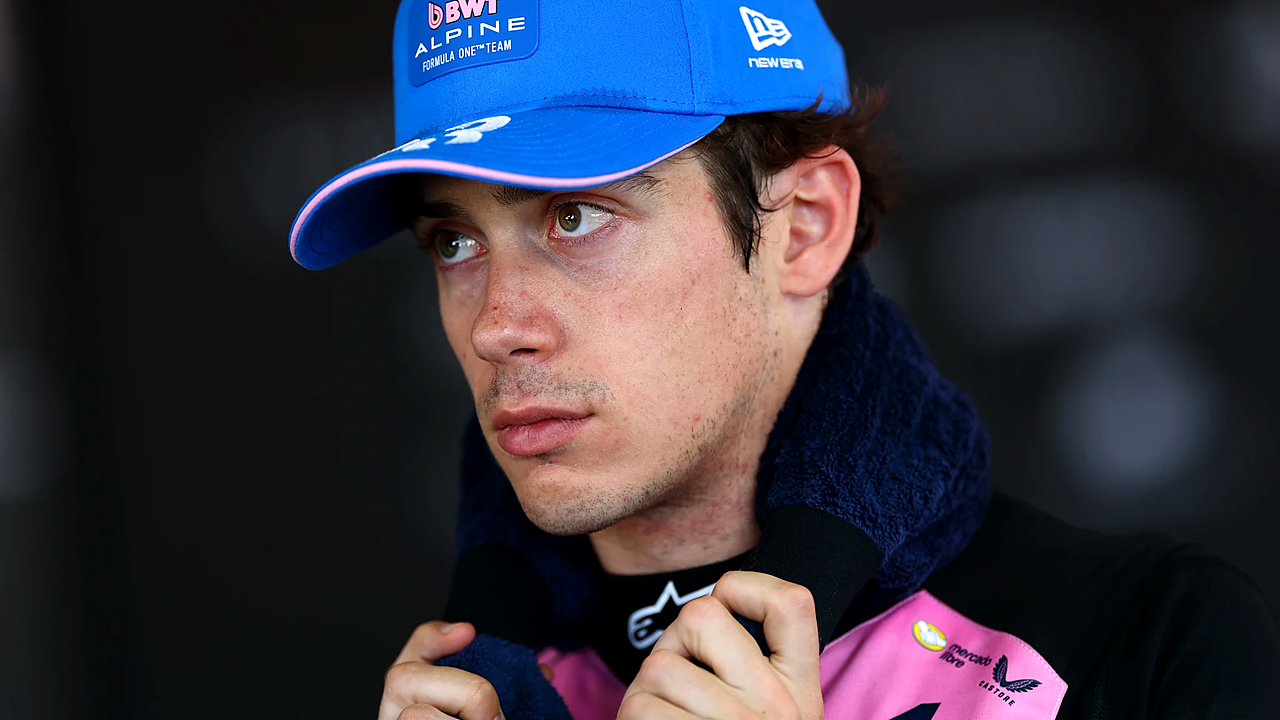
From the confidence side, Mercedes lost the chance to convert both cars also changes the pressure around Mercedes reliability after Barcelona. The next match, race or series will show whether that pressure becomes control or turns back into uncertainty.
The most direct selection consequence is The same package has to finish cleanly under race pressure. It affects decisions immediately because teams and players have to plan from what actually happened.
From a reliability view, Wolff called the reliability level not good enough is the part that should travel into the next Mercedes reliability after Barcelona update. Everything else depends on whether that evidence holds under a different opponent or circuit.
The sharper bracket question after this is how Mercedes reliability after Barcelona absorbs Antonelli retired late in Barcelona. Strong teams turn that kind of detail into preparation instead of letting it remain a headline.
Mercedes lost the chance to convert both cars gives Mercedes reliability after Barcelona a measurable development edge to protect. If the edge disappears quickly, the latest result will look much thinner in hindsight.
The next recovery window will put The same package has to finish cleanly under race pressure under a different light. That is where Mercedes reliability after Barcelona either gains a stronger shape or returns to a narrow one-day reading.
The preparation thread starts with Wolff called the reliability level not good enough. That detail changes the practical reading of Mercedes reliability after Barcelona because it gives the next competitive step something concrete to test.
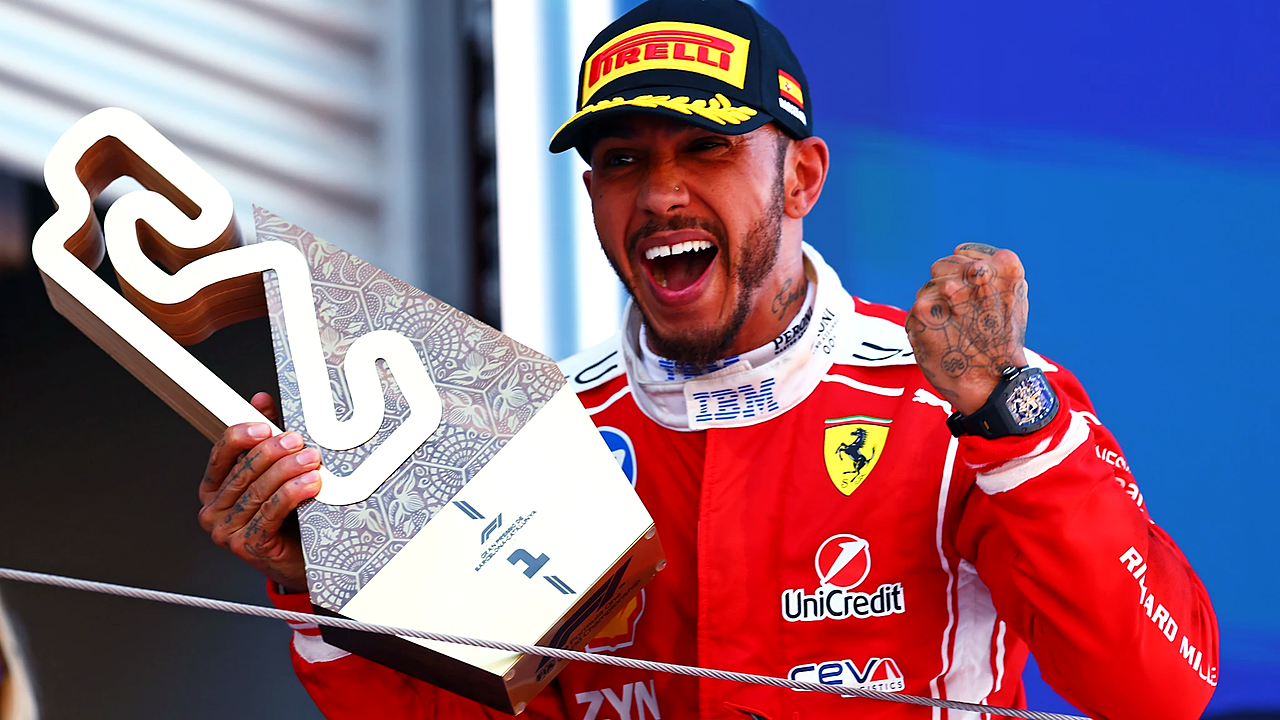
A second execution point sits around Antonelli retired late in Barcelona. If the same detail appears again, Mercedes reliability after Barcelona begins to look like a trend rather than a single result.
From the pressure side, Mercedes lost the chance to convert both cars also changes the pressure around Mercedes reliability after Barcelona. The next match, race or series will show whether that pressure becomes control or turns back into uncertainty.
The most direct momentum consequence is The same package has to finish cleanly under race pressure. It affects decisions immediately because teams and players have to plan from what actually happened.
From a discipline view, Wolff called the reliability level not good enough is the part that should travel into the next Mercedes reliability after Barcelona update. Everything else depends on whether that evidence holds under a different opponent or circuit.
The sharper response question after this is how Mercedes reliability after Barcelona absorbs Antonelli retired late in Barcelona. Strong teams turn that kind of detail into preparation instead of letting it remain a headline.
Mercedes lost the chance to convert both cars gives Mercedes reliability after Barcelona a measurable timing edge to protect. If the edge disappears quickly, the latest result will look much thinner in hindsight.
No Comments