
Kimi Antonelli enters the Dutch Grand Prix as the leader of the Formula One drivers’ championship. His position has created Italy’s strongest title opportunity for many years. The season still contains thirteen Grands Prix, so the current order remains open.
Antonelli has combined victories with regular points during the first eleven rounds. Mercedes has also given him a car capable of competing near the front on different circuits. Zandvoort begins the second half with a Sprint weekend and fewer practice laps.
Regular points support the race victories
A championship lead cannot depend only on occasional wins. Antonelli has limited damage when Mercedes was not the fastest car. Finishing near the front has kept his total moving across different track layouts. That approach does not require passive driving. He still attacks when the chance is clear. The important distinction is avoiding a low-percentage move that risks losing every available point.
Rival drivers remain close enough to benefit from one retirement. Antonelli therefore needs clean starts and reliable finishes. A small advantage can disappear quickly when a Sprint weekend awards points twice.
Mercedes gives him a competitive but demanding car
The 2026 Mercedes has shown strong pace over one lap and across race stints. Its performance still changes with tyre temperature and circuit layout. Antonelli and the engineers need to find the correct operating range at each venue. Engineers use Antonelli’s feedback during every practice session. He explains where the car begins to lose front grip or rear stability. They then compare his comments with telemetry and the second Mercedes.
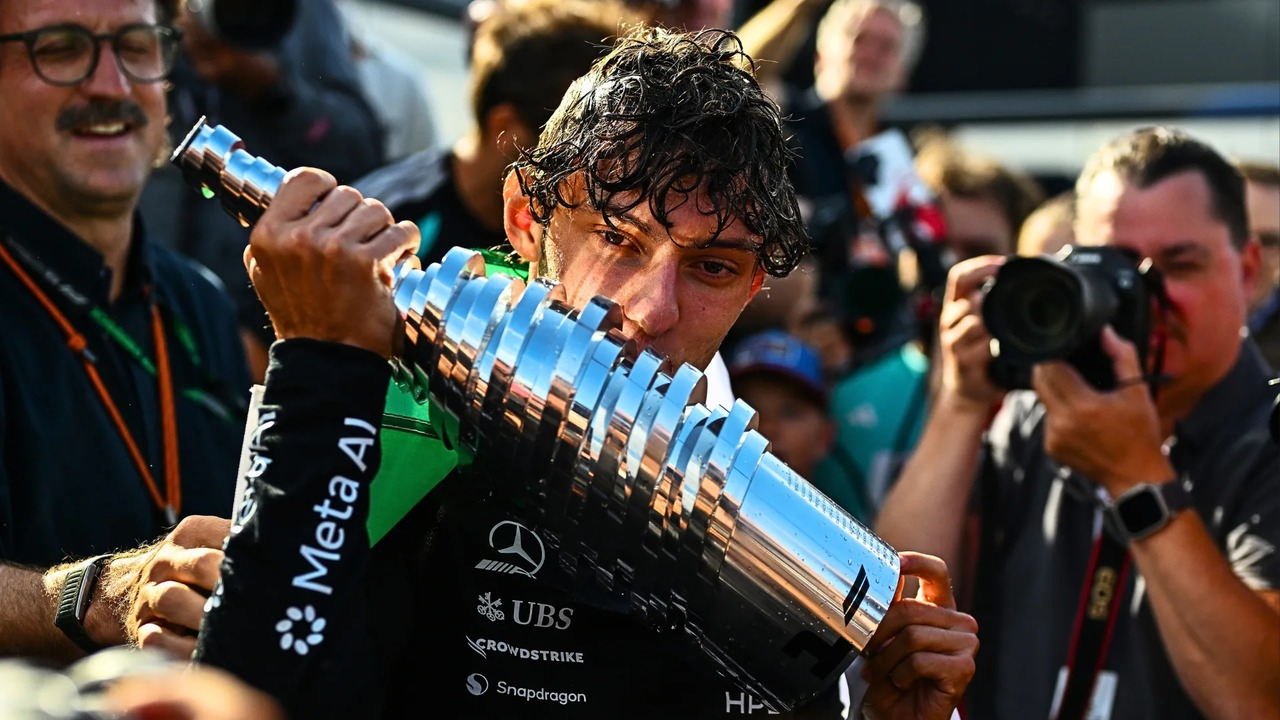
A title campaign also depends on reliability. Power-unit and hydraulic problems can remove points without warning. Mercedes uses completed mileage to check components before they approach their planned limits.
Zandvoort compresses the preparation process
The Dutch weekend contains only one normal practice session. Antonelli needs to learn the grip level and confirm setup before Sprint qualifying. There is little time for a major change after Friday morning. Zandvoort‘s banked corners require precise steering and stable traction. A driver who misses the preferred line can lose time through the next corners. The narrow track also makes passing difficult.
Strong qualifying would reduce exposure to traffic. It would also place Antonelli near the front for the Sprint. The team still needs race balance because an aggressive one-lap setup can damage the tyres over a longer run.
The Italian title history adds attention, not points
No Italian driver has won the Formula One championship since Alberto Ascari in 1953. That history explains the public interest around Antonelli. It does not change any sporting requirement during the remaining races. Antonelli cannot drive thirteen events while thinking about a seventy-three-year gap. His work is divided into shorter tasks. Each session has a setup plan, each start has a procedure and each stint has a pace target.
Mercedes also protects the driver from unnecessary noise during a race weekend. Media interest will continue, especially before Monza. Clear schedules help him complete engineering work before public duties begin.
Experience remains an advantage for his rivals
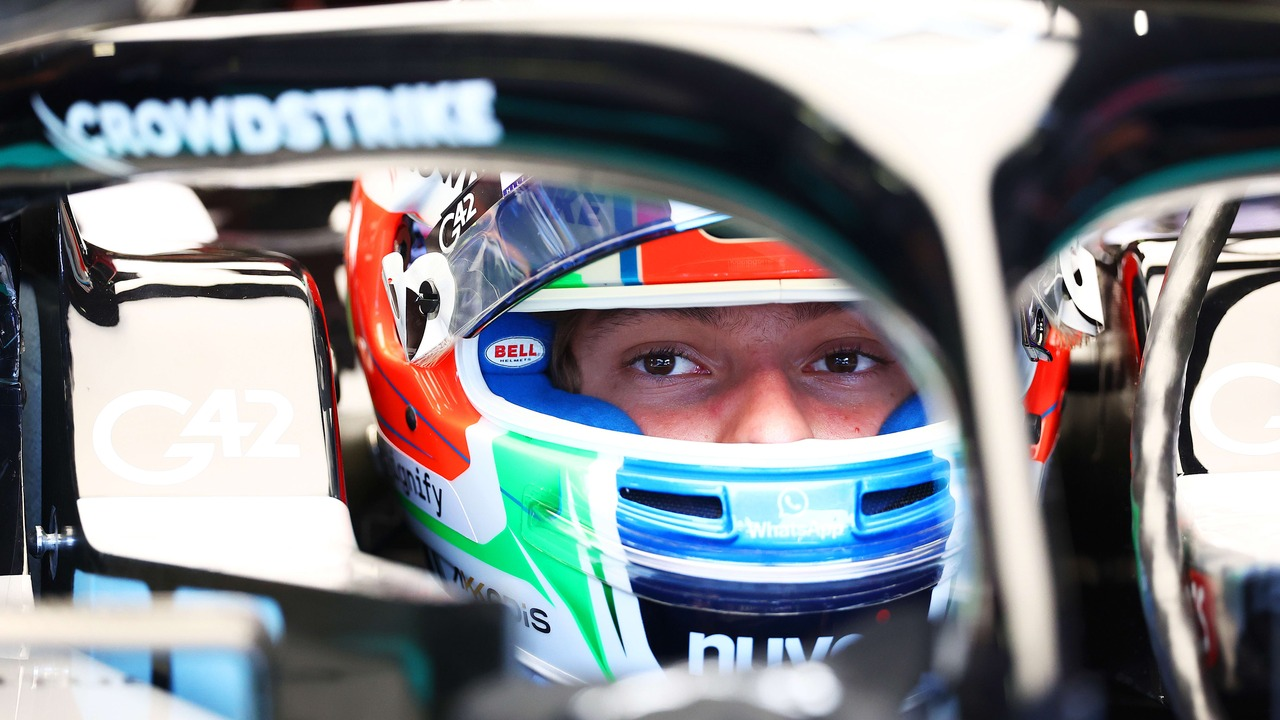
Several title rivals have already completed full championship campaigns. They know how pressure changes near the final rounds. They also recognise circuits where a second place carries more value than a risky attempt at victory. Antonelli is still learning those situations at Formula One speed. His early results show that he can make calm decisions. The second half will test whether that judgement remains consistent after a poor session or an unexpected setback.
Mercedes can support him with clear information, but the cockpit decisions remain his own. Starts, restarts and duels for position happen too quickly for detailed instruction. Preparation needs to make the correct response familiar before it is required.
Thirteen Grands Prix leave several possible changes
The remaining calendar includes low-downforce tracks, street circuits and hot night races. No single setup will suit every event. Mercedes and Antonelli need to adapt without losing the strengths of their current package. Sprint events add more points and more risk. Reliability problems can also affect every contender. The title will be decided by the full sequence rather than one impressive weekend.
Antonelli begins that sequence from first place. The lead confirms his strong first eleven rounds. Zandvoort provides the next test, while the championship remains far from its final result.
No Comments