
McLaren completed the first eleven rounds with a victory for Lando Norris in Hungary. That result provided the strongest finish before the summer break. The team’s season also included technical problems and two unfinished cars in China.
Norris leads Oscar Piastri seven to four in their qualifying comparison. Their completed race comparison is level at five apiece. Those figures show close performance between the drivers, while the final results also reflect reliability and incidents.
Hungary delivered the clearest complete weekend
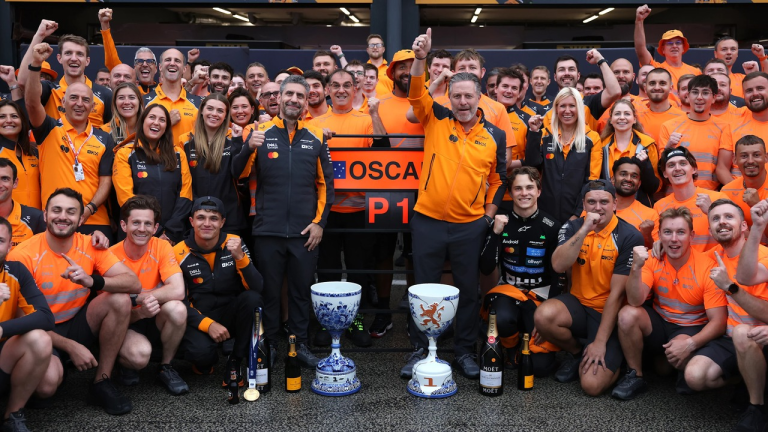
Norris won the Hungarian Grand Prix after McLaren converted competitive pace into a full race result. The car worked well through Budapest’s long corners and slower changes of direction. Tyre control also allowed the chosen strategy to remain effective. The victory mattered because earlier weekends had produced incomplete results. A fast qualifying lap did not always become points on Sunday. Hungary joined speed, reliability and pit work inside one event.
Piastri also supplied useful information across the weekend. Two cars allow engineers to compare setup choices and tyre behaviour. That comparison becomes especially important when small balance changes affect several corners.
China removed both cars before the finish
The Chinese Grand Prix produced McLaren‘s weakest combined result because neither car finished. Two unfinished cars remove points and limit the race data available to the factory. Reliability failures create two costs, starting with points lost in the championship table. The second cost arrives when engineers cannot study normal tyre wear, energy use and balance across the final stint.
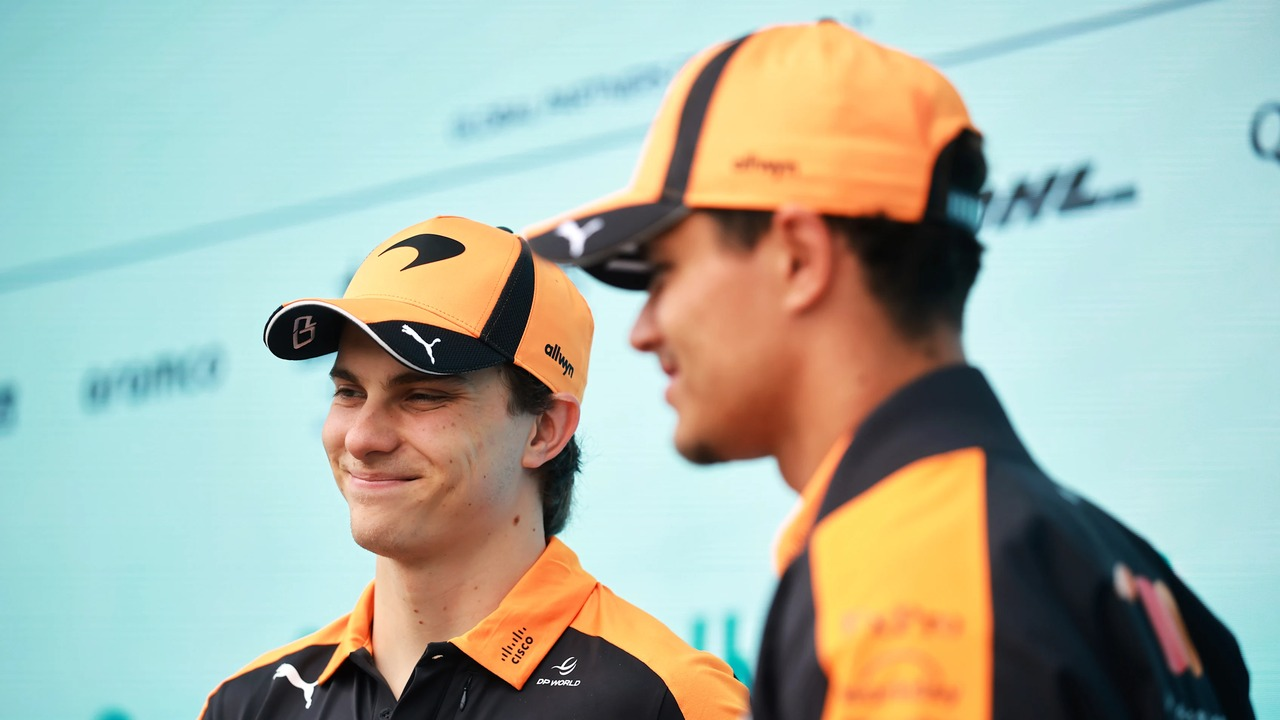
McLaren reviewed the failed parts and the conditions around each problem. The aim is to identify the direct cause without treating unrelated symptoms as one issue. Replacement parts also need enough durability for the remaining calendar.
The drivers remain closely matched on race days
Norris holds the clearer qualifying advantage at seven sessions to four. Piastri has still matched him across completed races, with each driver finishing ahead five times. The comparison excludes weekends where a car failed to finish. Qualifying speed matters because track position simplifies strategy. Race performance requires a wider set of skills. Tyre care, traffic decisions and communication with the pit wall can change the order over several stints.
Two fast drivers give McLaren two chances to score points. Operational errors also become more expensive when both cars fight for the same section of track. The pit wall needs clear priorities when their strategy windows overlap.
| Driver comparison after eleven rounds | Lando Norris | Oscar Piastri |
|---|---|---|
| Qualifying head-to-head wins | 7 | 4 |
| Race head-to-head wins | 5 | 5 |
| Most recent race win | Hungary | No race wins |
The MCL40 performs best when its balance remains stable
McLaren‘s strongest weekends have featured predictable behaviour from corner entry to exit. Drivers can then commit to the braking point and apply power without waiting for the rear tyres. That confidence improves both lap time and tyre life. Difficult weekends have shown a smaller working range. Changes in wind or track temperature can move the car away from its preferred balance.
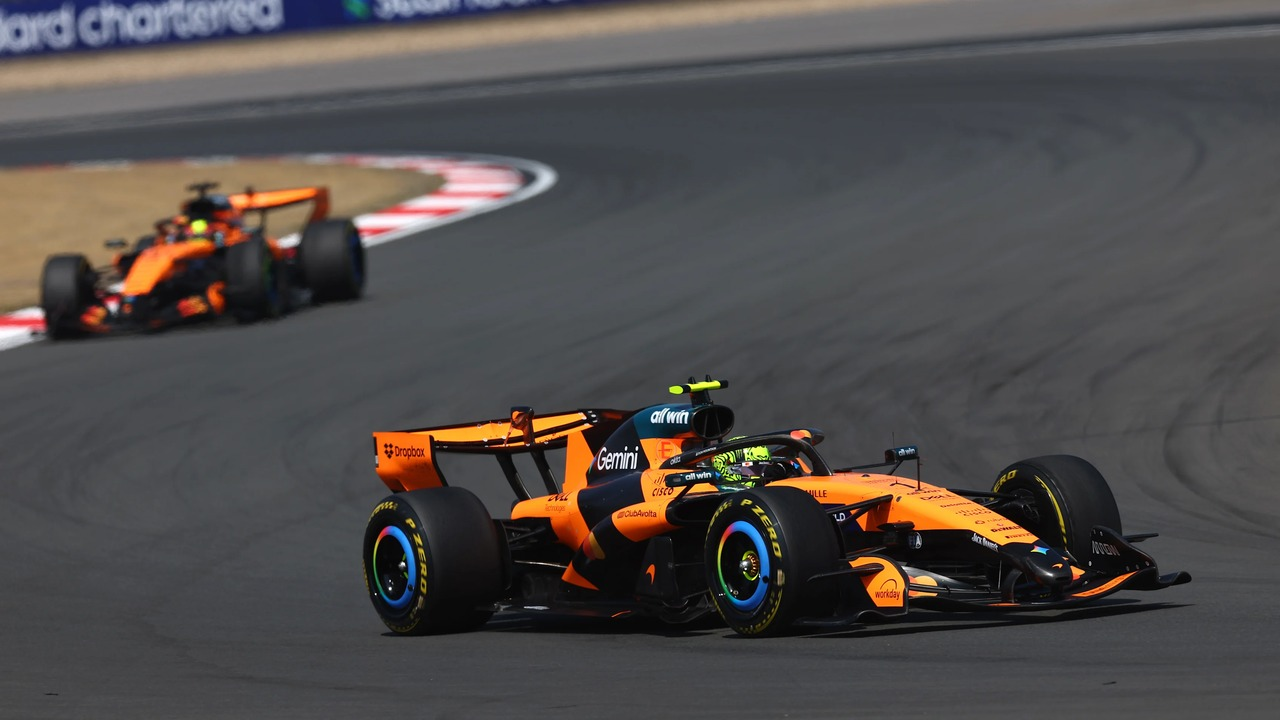
Engineers then use front-wing settings, ride height and mechanical adjustments to recover confidence.
The 2026 regulations also make energy deployment a major part of lap performance. A good aerodynamic platform still needs the correct electrical support on each straight. Poor deployment can leave a driver vulnerable even after a strong corner exit.
Pit execution remains part of the second-half review
Every competitive car depends on clean work in the garage and pit lane. A slow stop can place the driver into traffic. An unsafe release or incorrect tyre choice can create a larger penalty.
McLaren uses the summer break to review procedures from the opening rounds. Video, timing data and radio messages show where a delay began. The team can then change one step instead of adding unnecessary instructions to every stop.
The second half begins with proof of pace and unresolved risks
Hungary showed that McLaren can win when the whole weekend works. The qualifying comparison shows Norris has found more one-lap performance so far. Piastri’s race record confirms that the second car remains a regular scoring threat. Reliability remains the main limit on that potential. The team cannot control every incident, but it can reduce failures that begin inside its own systems. Finishing both cars creates more chances to use their speed.
Zandvoort now starts a sequence of different circuits. Its Sprint timetable will test McLaren‘s preparation immediately. The team enters that challenge with recent victory, close driver competition and clear technical work still in progress.
No Comments