
Nikola Tsolov leads the Formula Two championship by twenty points during the summer break. The Bulgarian driver has won six races in his first season at this level. His Silverstone weekend included victories in both the Sprint and main race.
Tsolov is nineteen and remains part of the Red Bull Junior Team. His results have increased discussion about a future Formula One opportunity. The immediate task is still the Formula Two title and the races that remain in 2026.
Six wins have built the championship advantage
Tsolov’s lead comes from repeated strong finishes rather than one isolated weekend. Six victories provide a large points base. Results outside those wins also determine whether an advantage survives a difficult round. Formula Two uses separate Sprint and main races. Their grids, points and tyre demands are different. A driver needs to understand both formats instead of relying on one preferred race.
The twenty-point margin is useful but not decisive. One retirement can remove most of it. Tsolov therefore needs to protect points when victory is unavailable and attack when the car has winning pace.
- Six race victories in the 2026 season
- A twenty-point championship lead at the summer break
- Sprint and main race wins at Silverstone
- Member of the Red Bull Junior Team
Silverstone showed speed across both race formats
Tsolov won both races at Silverstone. The Sprint required control under its shorter format. The main race added tyre management, a pit stop and more time for strategy to change. Winning twice at one circuit shows that the result did not depend on a single grid position. Tsolov handled different starts and race phases. His team also completed the required pit and setup work without losing the opportunity.
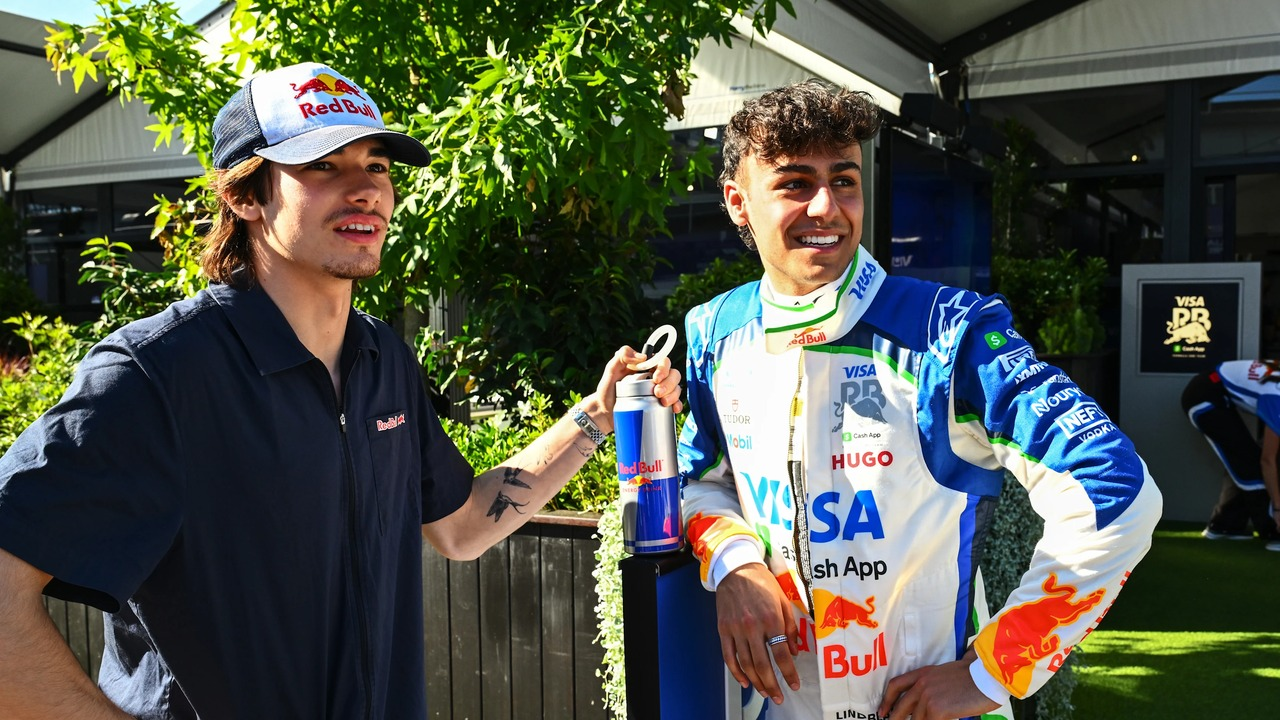
Silverstone’s fast corners test confidence and precision. A driver who slides too much can damage the tyres. Tsolov kept enough pace available for the decisive parts of both races.
Red Bull preparation extends beyond lap time
Red Bull‘s junior programme exposes drivers to technical meetings, simulator work and media duties. Tsolov has described that preparation as useful for handling pressure around his results. It also gives the Formula One team a larger body of information. A junior driver needs to explain the car clearly. Engineers cannot act on a complaint that lacks detail. Tsolov continues learning how setup changes affect braking, rotation and traction across a race distance.
Physical preparation also changes as the cars become faster. Formula Two places heavy load on the neck and upper body. Heat, travel and consecutive sessions add further demands during a long weekend.
Speculation does not replace the required licence points
Formula One interest follows strong junior results, but it does not create an automatic seat. A driver needs the required super licence and an available team position. Commercial and technical plans also influence the final choice. Tsolov can control only part of that process. He can prepare well, avoid unnecessary penalties and score points in Formula Two. Decisions about a later promotion belong to Red Bull and the relevant Formula One team.
The clearest answer therefore comes from completed races. Six wins and the current championship lead support his case. The remaining rounds will show whether that performance continues under greater attention.
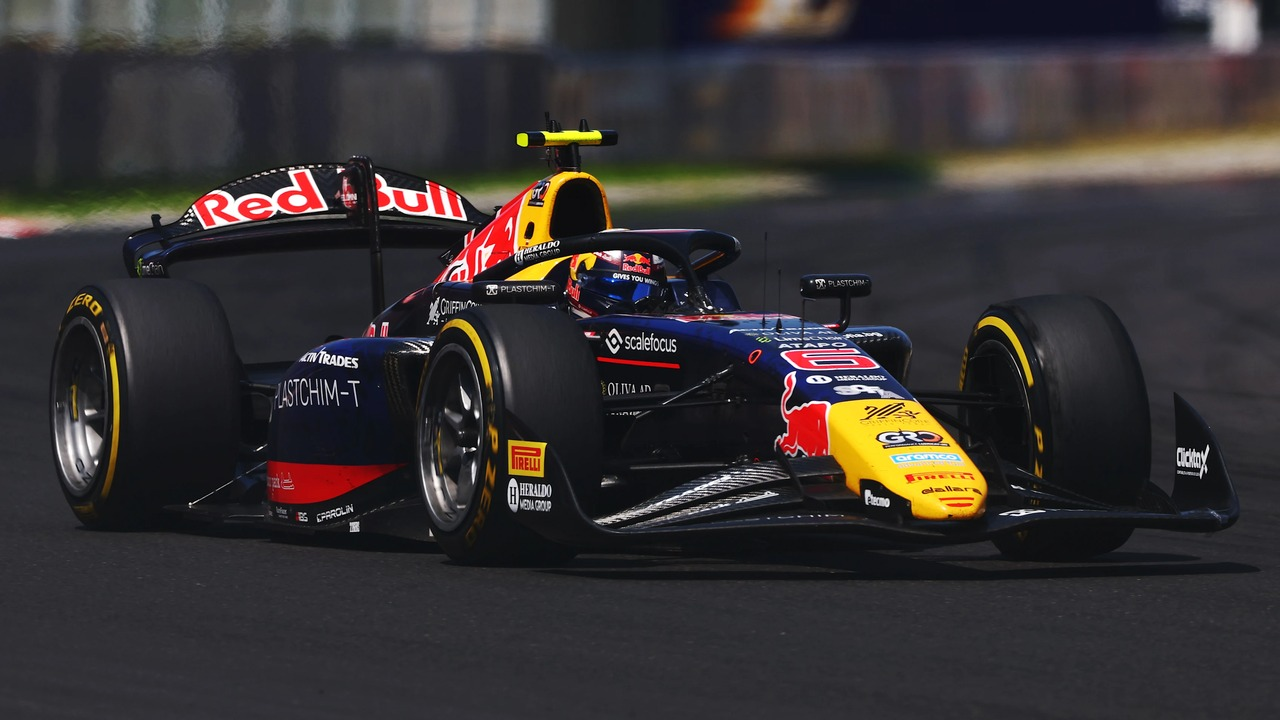
The title fight will test recovery after difficult sessions
Every championship leader eventually faces a weekend where the car or grid position is less favourable. The response matters more than public confidence. A controlled points finish can protect work completed earlier in the season. Qualifying remains important because the main race awards major points. Traffic and track limits can change the order quickly. Tsolov needs a legal lap early enough to reduce pressure on his final attempt.
Formula Two cars start each race close together. Contact in the first corners can force several drivers to retire. A strong launch still needs enough space and judgement to avoid another car.
The next races remain the priority
Tsolov has acknowledged his Formula One ambition without treating it as a completed move. That distinction keeps the current championship in focus. Formula Two still has points, starts and strategic decisions that require full attention. A title would provide the strongest finish to his rookie season. It would also show that he can manage a year as the main target for rivals. Leading changes how other drivers approach every duel for position.
The summer break gives Tsolov time to review the opening rounds and recover physically. He resumes racing with six wins and a twenty-point lead. Those are confirmed achievements, while every later step remains dependent on future results.
No Comments