
Laurent Mekies did not try to soften Max Verstappen’s frustration after the Silverstone crash. His response matters because it turns the spin from a dramatic moment into a clear technical task for Red Bull.
Mekies kept the problem technical
The important part of Mekies’ reaction is the tone. He did not sell the crash as bad luck, and he did not ask Verstappen to accept a vague explanation.
That matters at Red Bull because the driver needs to know whether the car will repeat the same behaviour under load. A fast car can still be difficult to trust if the rear steps away without a clear warning.
Silverstone therefore becomes more than a crash clip. It becomes a question about how the team reads balance, wind and driver feedback before the next fast corner exposes the same weakness.
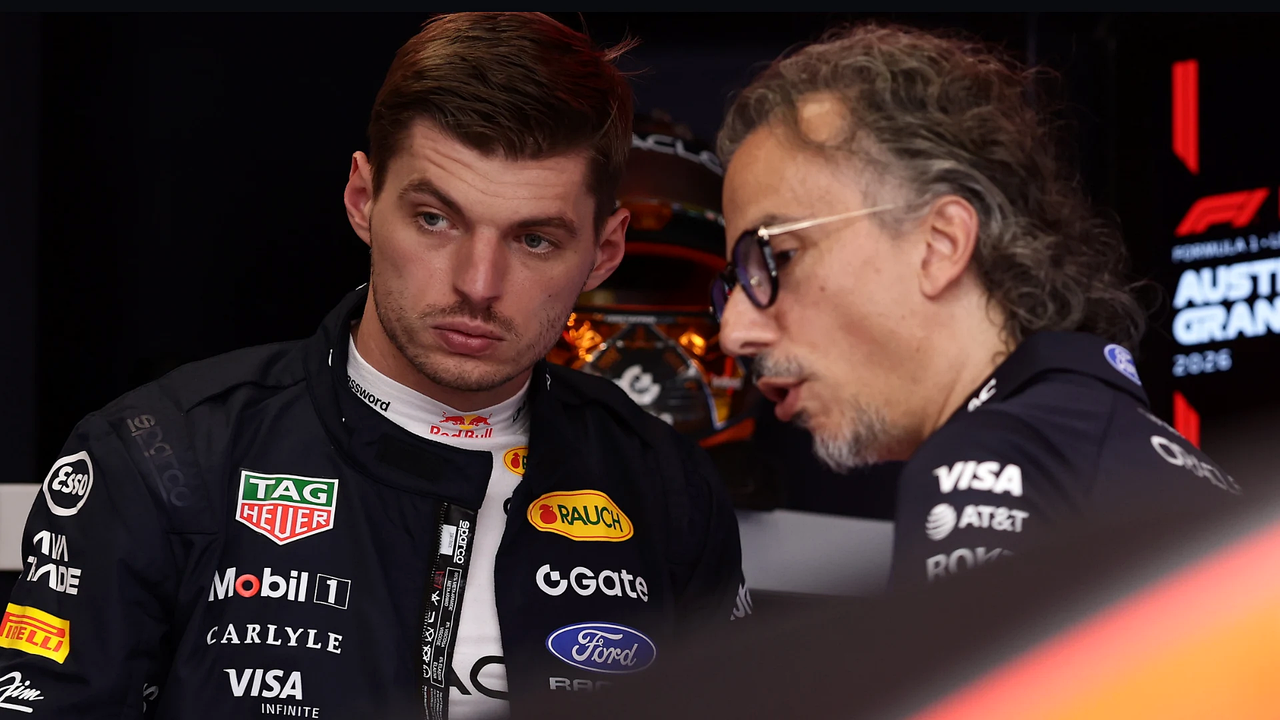
Verstappen had a reason to be angry
A champion driver can live with a mistake when the cause is clear. The harder part is a car that feels close to the limit and then gives the driver less support than expected.
Verstappen’s frustration makes sense in that frame. He was not only reacting to lost position. He was reacting to a feeling that the car had carried a recurring problem into another decisive moment.
That is why Mekies’ backing was useful. It kept the discussion away from blame and pointed it toward the detail Red Bull must fix.
| Mekies note | Main note |
|---|---|
| Driver | Max Verstappen. |
| Team voice | Laurent Mekies backed the frustration. |
| Core issue | A specific Silverstone problem led into the crash. |
| Next task | Show the trigger has been fixed. |
Also read: Leclerc Tops British GP Power Rankings as Judges Reward Ferrari Precision. More news: Palmer Warning Puts Russell’s Mercedes Comfort Back Under the Title Lens.
The rear of the car is the first question
The most practical question is rear stability. If the rear tyres lose support too quickly, the driver starts protecting the car before he can attack the corner.
That changes the whole lap. Braking points become less confident, throttle pick-up becomes later and the driver cannot use the front of the car as freely.
Red Bull do not need a public slogan after that. They need a setup answer that Verstappen can feel in the first serious run of the next weekend.
A fast track can hide and reveal
Silverstone is a useful test because it asks a car to hold load for a long time. A small balance problem can look manageable in one sector and then become expensive when wind, tyre state and steering angle meet at the wrong moment.
That makes the debrief more delicate. Red Bull have to separate the driver’s input from the way the car reacted under changing conditions.
If the team overcorrects, the car may lose the edge that still makes it dangerous. If it underreacts, the same instability can return when the pressure rises.
The garage needs one clear language
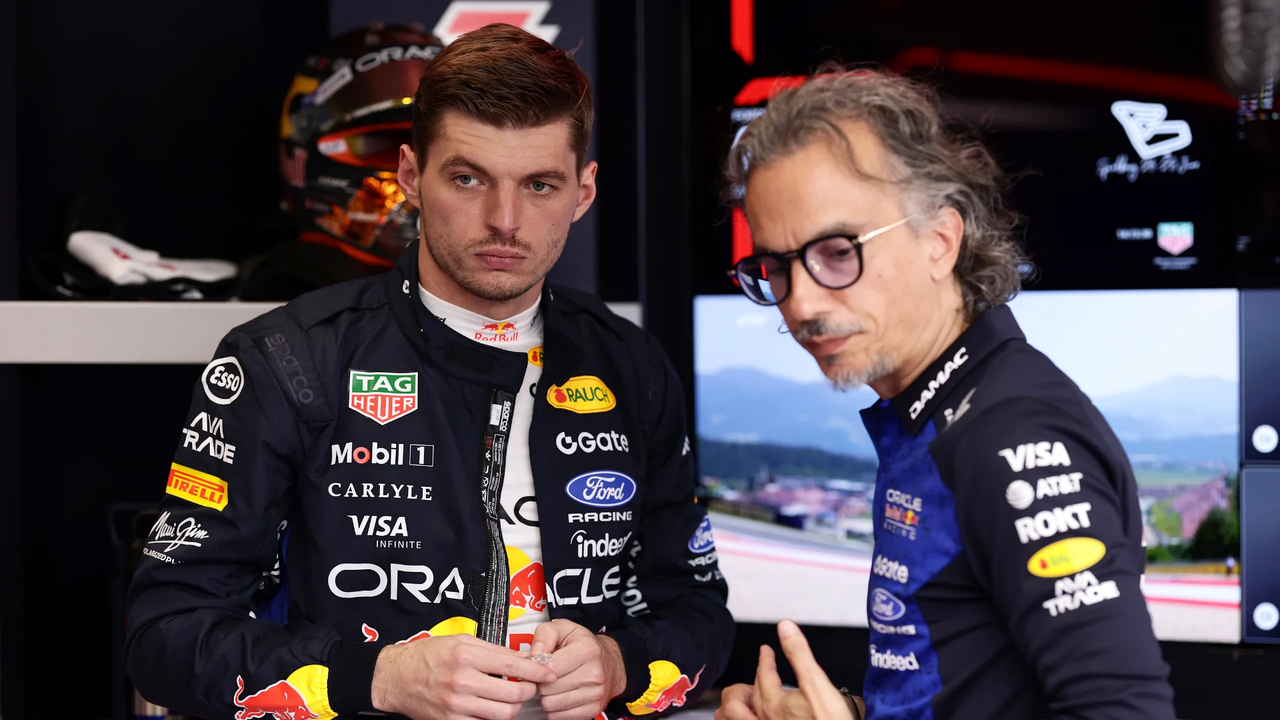
Mekies’ role is also about language inside the garage. The driver, race engineer and performance group must describe the problem in the same way.
If one side calls it a tyre issue and another calls it balance, the next setup plan becomes blurred. A clean definition is worth more than a long explanation.
Red Bull’s best weekends usually come when Verstappen’s feel and the data point in the same direction. This is the moment to rebuild that link.
The answer must appear early
The next proof should not wait until race day. Red Bull need the car to give a calmer signal in practice, especially when fuel, wind and tyre temperature change.
If Verstappen can push through the same type of corner without a late correction, the team will know the first response is working.
If he is still catching the rear with small steering saves, the Silverstone problem will remain alive even if the lap time looks acceptable.
The team also needs to compare short runs with longer stints, because a fix that helps one push lap may not protect the car when tyres start to move.
This is not a title panic
One crash does not mean Red Bull have lost their base. The car still has speed, and Verstappen still has enough control to make difficult weekends look better than they are.
The point is narrower. A title fight punishes small weaknesses faster because rivals are close enough to collect every lost place.
That is why Mekies’ answer should stay calm but firm. Red Bull do not need drama. They need the next version of the car to give the driver a cleaner warning before the limit arrives.
What the next weekend should show
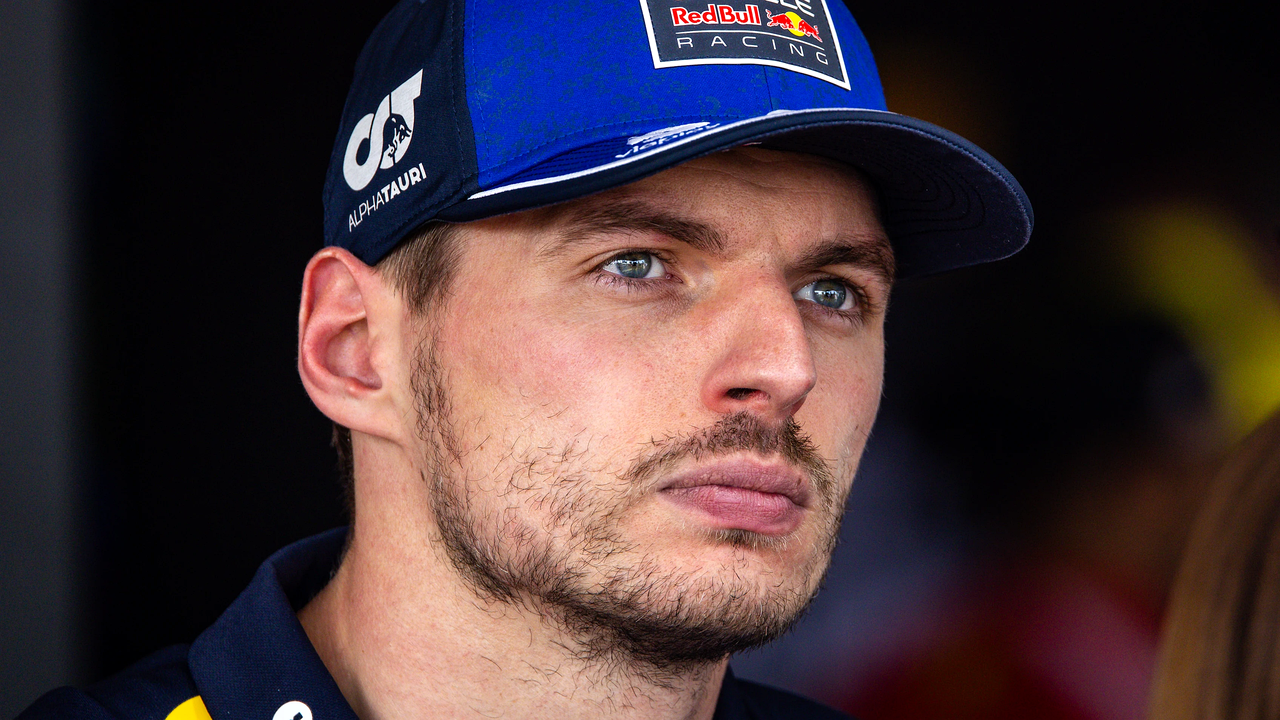
The next useful signs will be simple. Verstappen should need fewer corrections on entry, the rear should stay more settled through long corners and the radio should sound less like a search for explanations.
Those signs would not erase Silverstone, but they would show that the team understood it.
If they do not appear, Mekies will face the same question again: whether Red Bull can turn frustration into a car that the driver trusts when the lap is already on the edge.
No Comments