
Jolyon Palmer’s warning over George Russell’s comfort in the Mercedes cuts into a bigger question than one Silverstone result. A podium can look strong from outside, but a title push needs a car the driver can trust every weekend.
A good finish can hide discomfort
Palmer’s point was not that Russell drove badly. It was that the car still does not look natural enough for a driver who wants to live in the title fight.
That is a serious warning for Mercedes. A driver can extract a result once, but a championship challenge needs repeatable comfort across fuel loads, tyre states and changing track conditions.
The result therefore has two sides: useful points and a clear setup question.
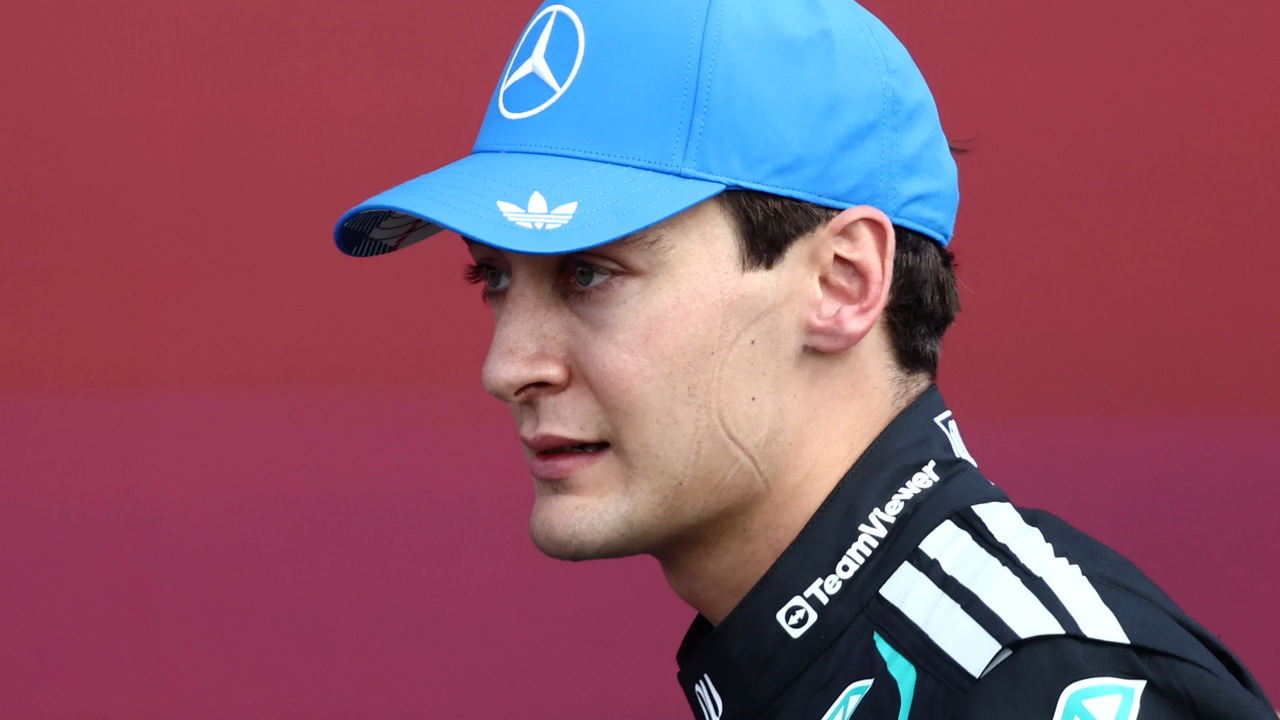
Mercedes need to name the problem
The team now have to decide whether the issue is tyre window, rear stability, corner entry confidence or a mix of several small problems.
A vague complaint is not enough. Russell needs a car that tells him early when it is about to move, and the engineers need language that turns that feeling into changes.
The next debrief should be practical: where did the car ask too much, and which adjustment can reduce that demand?
| Palmer note | Main note |
|---|---|
| Driver | George Russell. |
| Main warning | The Mercedes still does not look fully natural for him. |
| Why it matters | Title pace needs repeatable comfort. |
| Team job | Translate the complaint into setup direction. |
Also read: Mekies Backs Verstappen Frustration After Silverstone Crash Detail. More news: Cadillac’s Silverstone Pace Turns Backmarker Year Into a Midfield Chase.
Russell is not the problem by himself
The driver has shown he can score when the car is not easy. That is a strength, but it can also hide the work still waiting inside the garage.
If Mercedes treat every strong finish as proof that the package is fine, the same discomfort will return at the next track with different corners.
The better view is fairer to the driver and the team. The performance is there, but the base still needs to feel more natural.
That is the part Mercedes should keep simple. The car can be quick and still ask too much from the driver when the stint changes shape.
The title group punishes narrow windows
McLaren, Ferrari and Red Bull will not leave many points on the table. A car that only works in a narrow setup window forces the driver to spend too much energy finding safety before speed.
That makes qualifying and first stints especially important. If Russell needs half a race to bring the car toward him, the rivals will already be controlling the day.
Mercedes need the car to start weekends closer to the right place.
Antonelli adds another useful reference
The other side of the garage matters because it shows whether the concern is personal feel or a wider car trait. Different driver feedback can help Mercedes separate preference from package weakness.
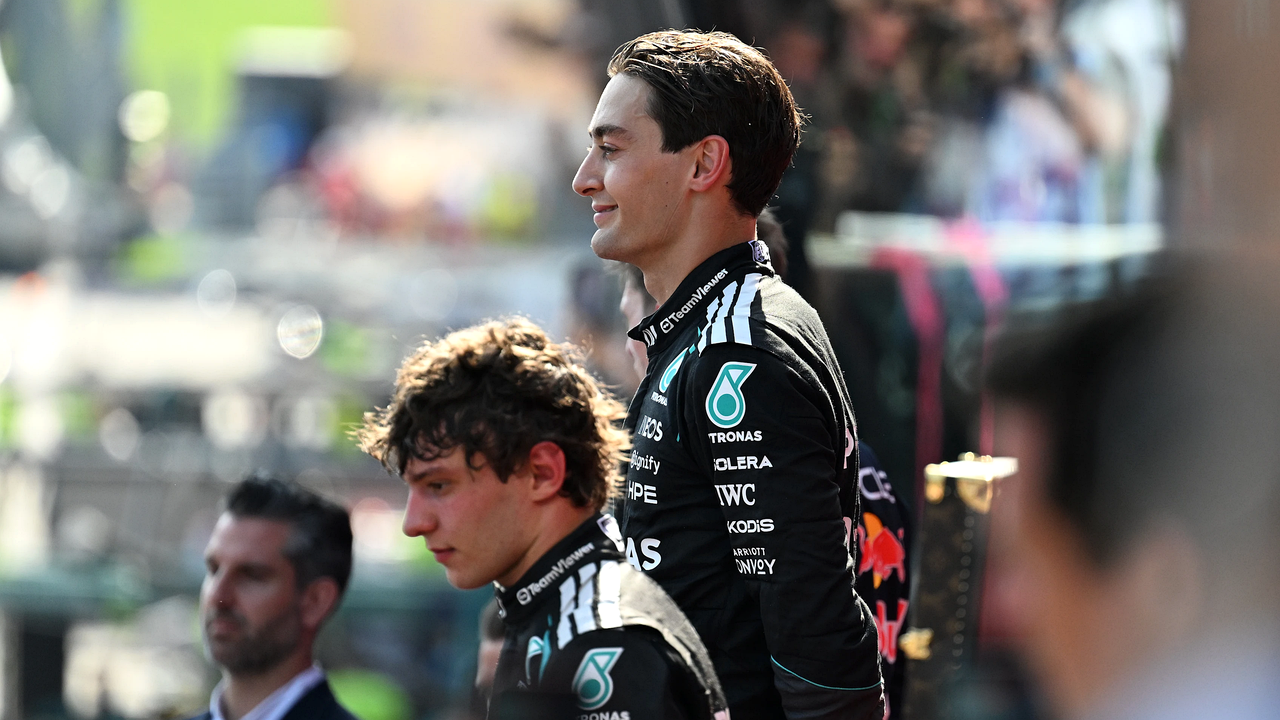
If both cars point to the same limitation, the answer belongs in development. If the feedback splits, the team still has to protect Russell’s operating window without hurting the wider package.
Either way, the next setup direction has to be specific.
Practice should show the first answer
The answer should appear before race day. If the car looks calmer in practice, with fewer corrections and more stable long runs, the warning will start to fade.
If the same complaints return while the lap time looks acceptable, Mercedes should not ignore them. A fast but uncomfortable car can become expensive when pressure rises.
The next practice sessions are therefore part of the story, not background noise.
They should also show whether the fix survives more than one lap, because race pace is where a narrow window becomes most costly.
The balanced conclusion
Russell remains a serious driver in a serious team. Palmer’s warning does not reduce that. It simply puts the focus where it belongs: on repeatable comfort.
Mercedes do not need a louder public message. They need a car that lets Russell attack without feeling he is solving the same problem every stint.
If that happens, a podium stops looking like extraction and starts looking like a standard.
The driver should not need rescue laps
Russell is good enough to save a difficult stint, but Mercedes should not build its weekend around that skill. Rescue laps are useful in a crisis, not as a normal route to points.
The goal is a car that lets him attack earlier, with less correction and less uncertainty about the rear of the car.
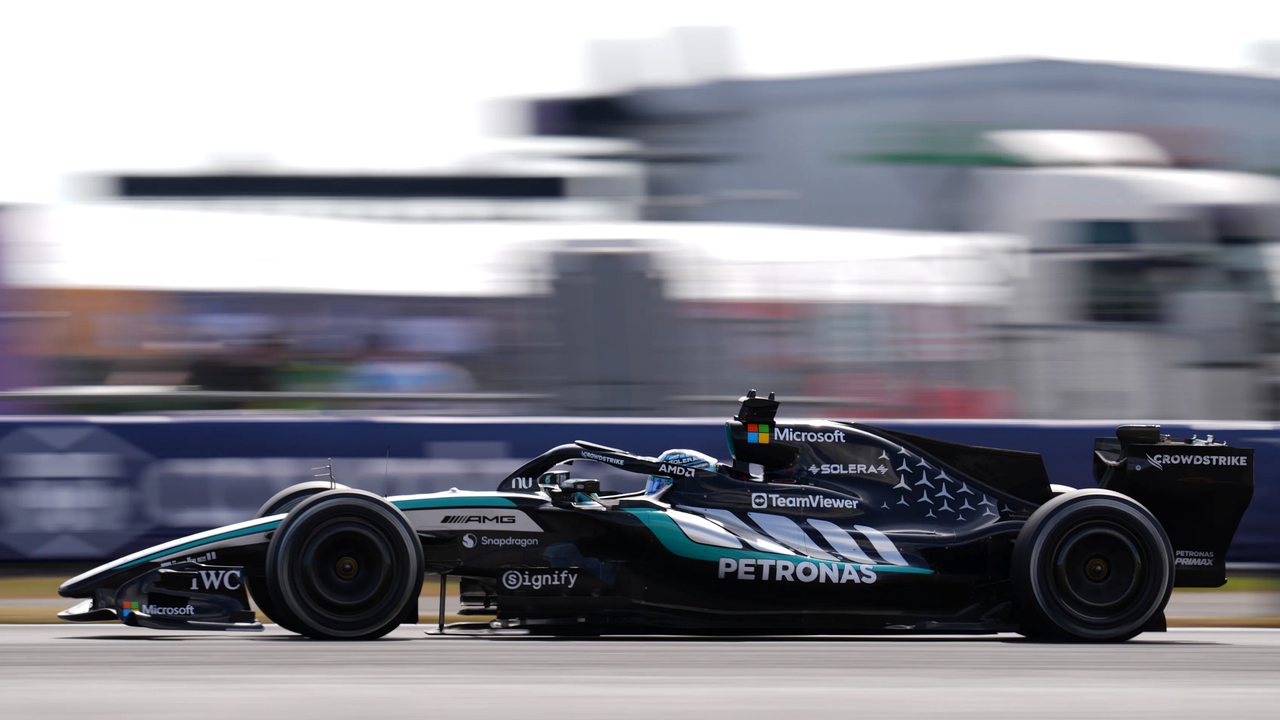
If the first serious run already feels calmer, the team will know the work is moving in the right direction.
Tyre behaviour can hide the root
A comfort problem can look like several different things. It may be tyre temperature in one stint, rear support in another and corner-entry doubt when the wind changes.
Mercedes need to avoid treating symptoms as the whole cause. The data has to show what appears first, because that is usually where the real fix begins.
That is why a detailed practice plan matters more than a broad promise after Silverstone.
Radio language will be a clue
The next weekend should also be heard, not only watched. If the radio messages become shorter and more settled, it will suggest Russell understands what the car is giving him.
If the messages keep circling the same balance problem, the lap time may not tell the full story.
A title-level car should give the driver answers quickly enough that the race engineer can talk about strategy, not survival.
The team must protect confidence
Comfort is not only a technical word. It changes how early a driver commits to a corner and how much risk he accepts in traffic.
Russell can keep confidence if the team shows that the problem has a clear path. What hurts more is feeling the same issue return without a name.
Mercedes should treat that confidence as part of performance, because at the front of the grid it is worth real time.
No Comments