
Formula 1 has published its main audience figures before the summer break. Every completed race weekend was sold out during the opening eleven rounds. Track attendance also increased compared with the same events last year.
The report covers circuits, television, digital platforms and environmental work. It separates commercial growth from the championship results. The figures describe how people followed the new technical era.
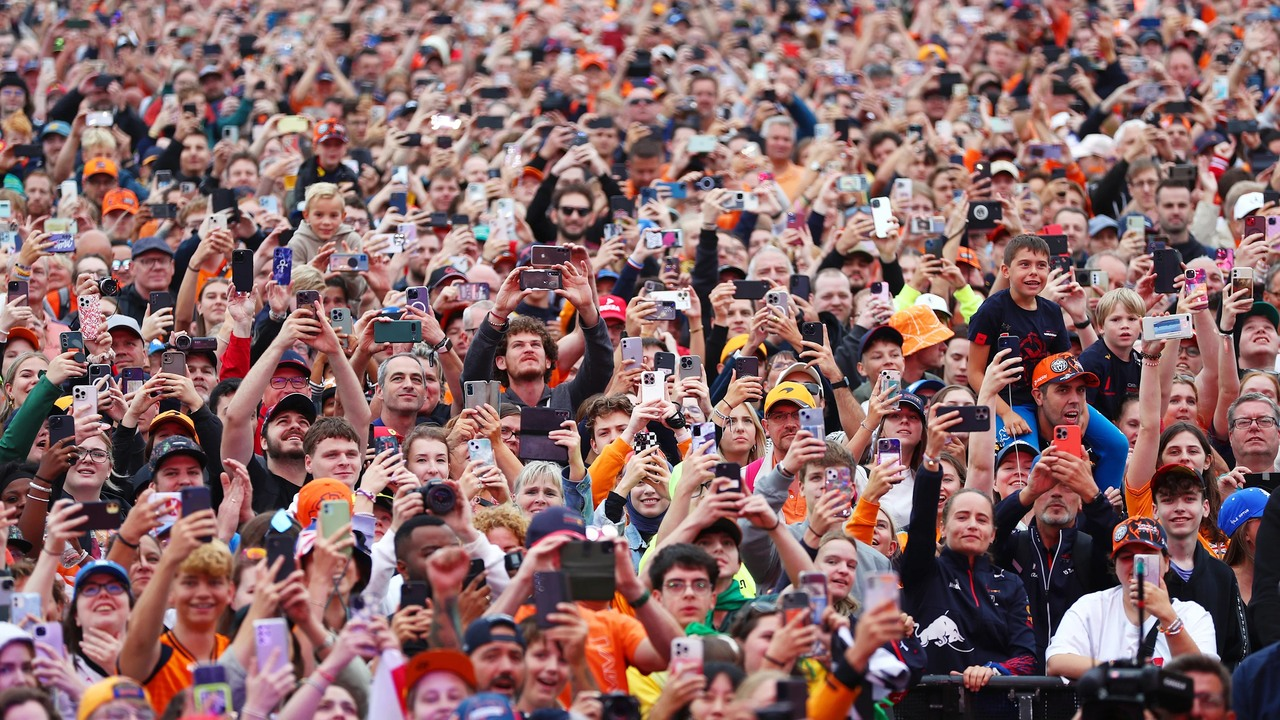
Sold-out weekends bring larger crowds
Nearly 3.7 million people attended the first eleven race weekends. The same group of events drew about 3.4 million last season. Formula 1 calculated the increase at six percent.
Five circuits established new attendance records during this period. They included Australia, Canada, Austria, Britain and Belgium. Each venue counted spectators across the full weekend. Silverstone recorded the largest total among those five events. Its British Grand Prix weekend welcomed more than half a million people. Melbourne also passed its previous attendance mark.
Sold-out status does not mean every venue has equal capacity. Street circuits and permanent tracks use different layouts. The comparison therefore focuses on growth within each event.
Japan produced the largest annual percentage increase among listed races. Britain and Austria also improved on their previous totals. Those gains came during the first season of new regulations.
Hungary completed this opening section of the calendar. Teams and drivers then entered the scheduled summer break. The pause provided a clear point for the mid-season report.
Television audiences increase in several countries
Formula 1 reported stronger television audiences in several countries. Brazil, Italy and China showed some of the clearest growth. Different broadcast agreements shaped the results in each market.
Brazilian race weekends sometimes reached five times last year’s audience. The British Grand Prix attracted eighteen million viewers there. That was Brazil’s largest audience for the event in eight years.
Italian audiences rose by twenty-seven percent through Silverstone. The Japanese and Belgian races reached recent national highs. These figures covered television viewing rather than track attendance.
China’s home Grand Prix more than doubled its weekend audience. Broader coverage supported viewing during the following rounds. The report linked that growth with stronger local interest. The Monaco Grand Prix reached almost eighty million viewers worldwide. Its total also increased by a double-digit percentage. The global number combines many separate national broadcasts.
Formula 1 also used new distribution arrangements during the season. One Canadian Grand Prix broadcast connected Apple and Netflix coverage. The experiment reached viewers beyond traditional race channels.
The calendar secures several long agreements
Host cities also made long-term decisions during the opening months. Istanbul Park signed a five-year agreement beginning next season. The Turkish circuit returns after an absence from the calendar.
| Completed rounds | Eleven |
|---|---|
| Track attendance | Nearly 3.7 million people |
| Sold-out events | Every completed race weekend |
| Environmental target | Net-zero emissions by 2030 |
Las Vegas extended its agreement through the 2037 season. That contract gives the street race a long planning period. The fixed term covers eleven further editions after 2026.

Barcelona and Spa received alternating places in future seasons. Their agreements cover selected years rather than every calendar. The arrangement keeps both established circuits connected to Formula 1. Portimao is also scheduled to return in 2027 and 2028. The Portuguese circuit last hosted Formula 1 earlier this decade. Its new deal adds another European option.
These contracts were not announced as replacements for current races. Each forms part of future calendar planning. The final schedule still depends on the complete annual agreement.
Long contracts provide certainty for promoters and visiting supporters. They also require investment in facilities and event operations. Formula 1 used the report to group those decisions together.
Digital viewing expands beyond race broadcasts
Formula 1 counted more than 125 million followers across social platforms. That total increased by nineteen percent over one year. Video accounted for a large part of the additional activity.
Social video views rose by more than half. Short clips allowed race moments to reach people after live sessions. They also connected younger viewers with drivers and teams.
A Silverstone drivers’ parade created seventy million social views. The activation used large cars built from Lego pieces. Its reach came mostly from clips shared after the parade.
Viewers spent seven million hours with expanded official video content. That figure covered the Formula 1 website and application. It did not include every television or social platform.
The wider fan survey estimated an audience above 830 million people. Women represented forty-two percent of that group. People under thirty-five formed another large share.
These measurements use different methods and cannot be added together. Follower totals, viewers and survey estimates describe separate groups. The report presented them as signs of broad engagement.
Formula 1 reports lower emissions
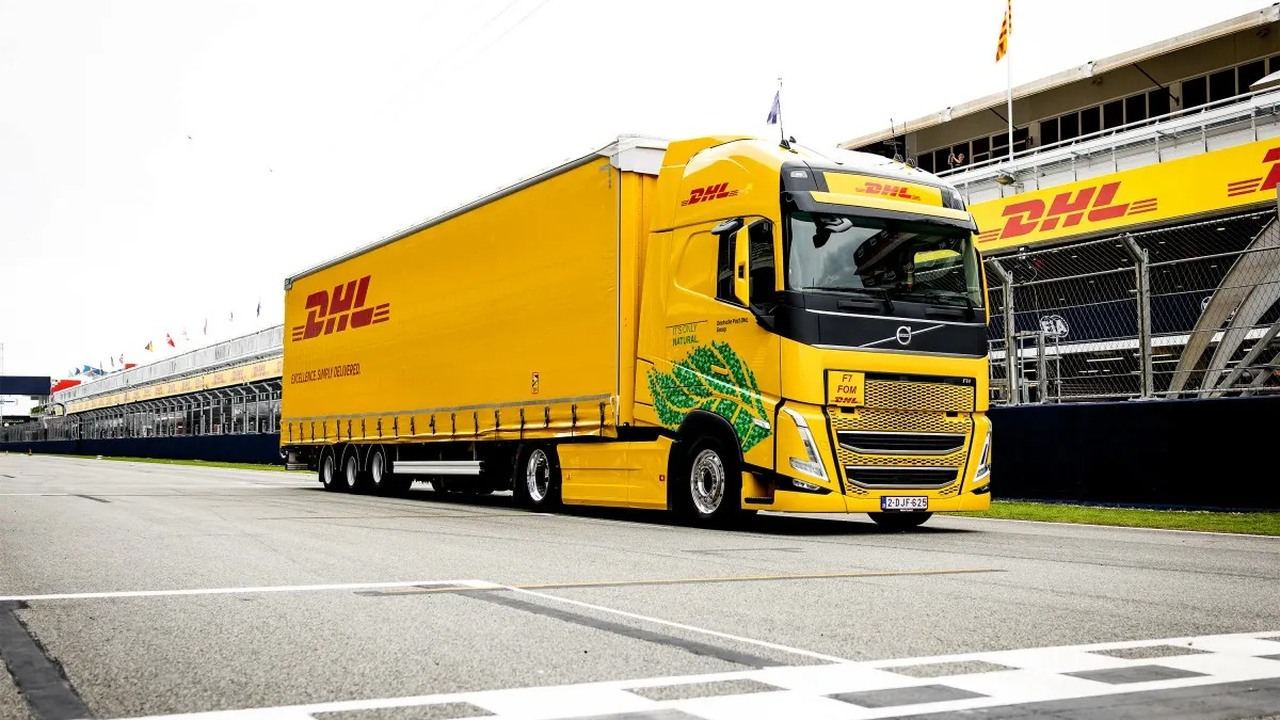
Formula 1 also repeated its target of net zero emissions by 2030. Its reported carbon footprint has fallen since the 2018 baseline. The latest reduction includes sustainable aviation fuel certificates. Factories and offices produced the largest listed savings. Teams and Formula 1 increased their use of renewable energy. That change reduced emissions from permanent facilities.
Logistics emissions also fell compared with the baseline. The sport moves equipment by road, sea and air. Lower-carbon options now form part of that transport plan.
Event operations recorded a smaller but continuing reduction. Promoters changed energy use at several Grand Prix venues. The progress occurred while the calendar contained more races.
Formula 1 published the figures in its latest impact report. They describe measured operations across the championship. The current reduction is measured against the 2018 baseline.
The mid-season figures cover sporting and operational activity. They record larger crowds, wider viewing and lower reported emissions. Formula 1 reached the summer break with record attendance.

No Comments