
Formula 1 drivers are using the summer break to recover before the Dutch Grand Prix. The pause follows eleven races across five months. It ends with a Sprint weekend at Zandvoort from 21 to 23 August.
Recovery includes rest, light training and time away from regular engineering work. Drivers still maintain their physical condition. They also return to team preparation before travelling to the next circuit.
The calendar creates several forms of fatigue
A race weekend contains media duties, technical meetings and long days at the circuit. Drivers also cross time zones and sleep in different locations. Those demands continue before the car reaches the track. Driving adds heat, vibration and repeated high forces. The neck, shoulders and core work through every fast corner. Concentration remains necessary while the body handles those loads.
The opening eleven rounds included street circuits, traditional tracks and four Sprint events. Each format changes the preparation schedule. Sprint weekends create competitive sessions earlier and leave less time for setup work.
Rest does not mean stopping all training
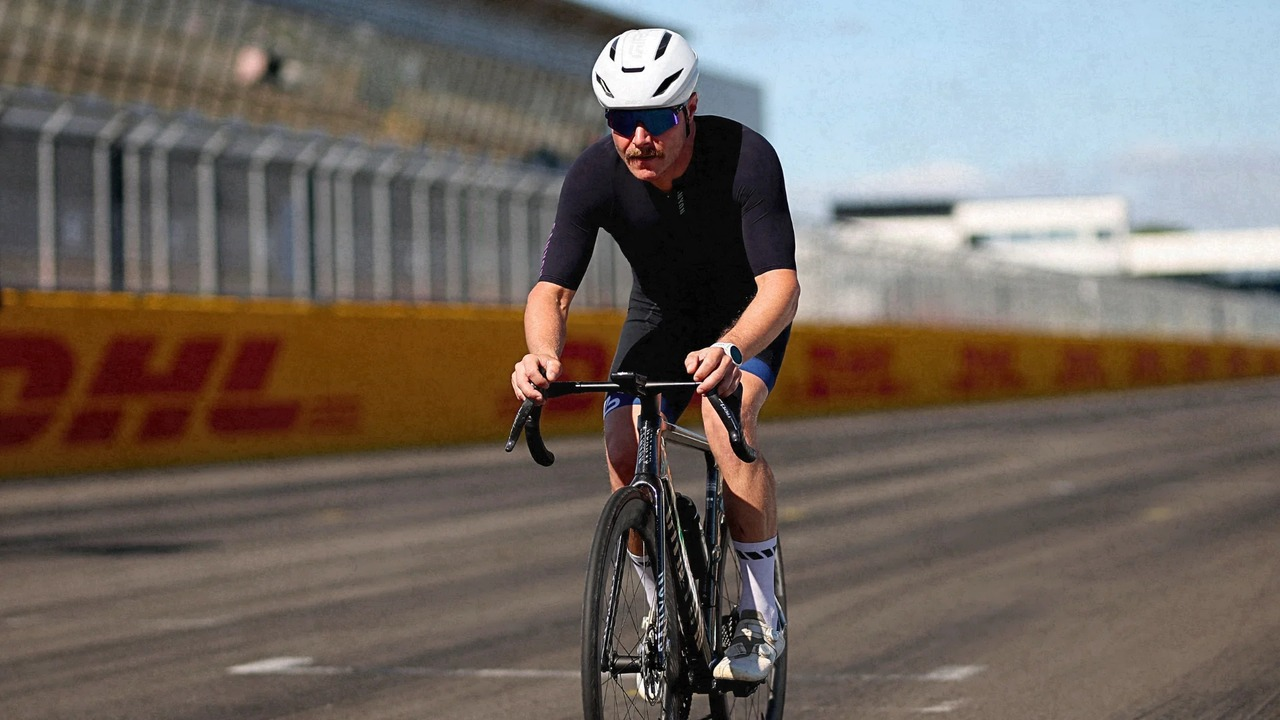
Drivers reduce the normal workload during part of the break. Many still complete controlled exercise to protect fitness. A complete stop would make the return to racing more difficult. Training can include cycling, running, strength work and neck exercises. The exact programme depends on each driver’s needs. Medical staff and performance coaches monitor recovery instead of chasing maximum effort every day.
Sleep and regular meals also support recovery. Travel can disturb both during the season. A quieter period gives drivers more control over their daily routine.
Time away helps drivers recover mentally
Drivers process large amounts of information during a Grand Prix.
They remember procedures, tyre behaviour, braking references and changing instructions. Repeating that cycle every week can reduce attention over time. Time away allows the mind to leave those immediate decisions behind. Drivers can spend time with family or pursue interests outside racing. The aim is not to forget the championship.
Teams also observe a formal factory shutdown during the summer period. Many employees take leave while restricted departments stop specified work. The rule creates a shared pause across the paddock.
Preparation returns before Zandvoort
Drivers resume meetings and simulator work before the Dutch Grand Prix. They review the circuit, expected conditions and recent car changes. The preparation becomes more important because Friday contains only one practice session. Sprint qualifying follows later on Friday. Drivers therefore move from their first real laps to a competitive session within hours. A mistake or poor setup choice can affect both Saturday sessions. Zandvoort’s banking and narrow layout reward confidence. Wind from the nearby coast can change between sessions. Drivers rebuild their rhythm during the only practice hour. The second half remains long.
Thirteen Grands Prix remain after the break. The calendar continues through Europe, Asia, the Americas and the Middle East. Several sequences contain races on consecutive weekends. Recovery supports the later workload but does not decide the championship. Results still depend on the car, setup and work completed during each race weekend. The pause separates two clear parts of the season.

Hungary closed the first eleven rounds with Norris winning. Zandvoort begins the next stage with Sprint points available before Sunday’s Grand Prix.
The shutdown also affects factory departments
Formula 1 teams observe a mandatory summer shutdown during the break. Restricted departments stop defined design, production and development work for the required period. Employees receive a shared pause after months of travel and preparation. Essential building maintenance and permitted administrative duties remain separate from performance work on the car. Drivers are not required to remain inactive throughout the same days. Their programmes usually combine rest with enough training to preserve race fitness. Team contact increases again before Zandvoort, when travel, simulator sessions and engineering reviews resume. The formal shutdown and personal recovery therefore support different parts of the return. Zandvoort immediately compresses the timetable. Friday contains one practice session before Sprint qualifying begins. Saturday then holds the Sprint and qualifying for Sunday’s Grand Prix. Drivers return from the break with fewer normal laps than on a standard weekend. Teams therefore have one practice hour before the first competitive session.
Competitive sessions resume at Zandvoort with Sprint qualifying on Friday. Zandvoort begins with Sprint qualifying on Friday afternoon. The compressed format gives teams only one practice session before the first competitive classification. The Dutch Grand Prix uses a Sprint schedule this season. Friday practice therefore carries extra value before the first competitive session begins.


No Comments