
George Russell described Mercedes’ Sprint Qualifying pace as strange after landing fifth while Antonelli missed pole by only 0.011 seconds. A split that turns Silverstone into a set-up investigation rather than a simple front-row celebration.
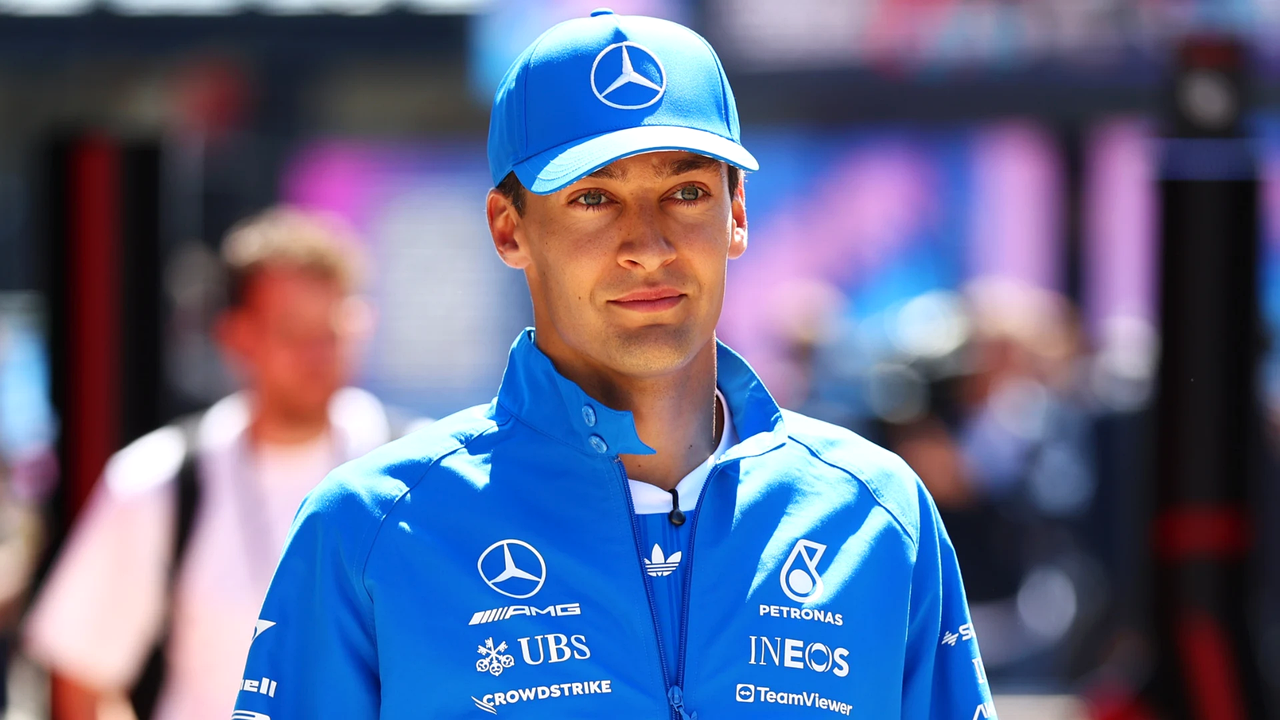
A fifth place that felt worse than fifth
Russell did not leave the session buried in the midfield, but the comparison inside the same garage made the result uncomfortable. Antonelli was almost on pole, Hamilton was nearly four tenths clear, and Russell could not explain why the car did not give him the same access to the lap. That kind of gap is more worrying than a normal fifth because it points inside the team.
Silverstone magnifies confidence. When the car is planted, drivers can carry speed with a tiny amount of steering correction. When it is not, they lose time before the stopwatch even shows the damage. Russell’s comments made the issue sound like feel rather than only delivery, and that sends the engineers toward a narrow but important set-up search.
Antonelli complicates the explanation
If both Mercedes drivers had missed the front by the same margin, the team could call it a package issue. Antonelli’s second place removes that comfort. The rookie proved the car could reach the front row, so Russell’s side has to ask whether tyre preparation, ride height sensitivity, out-lap rhythm or a small balance choice created the gap.
Russell’s sweet-spot warning from the build-up now looks more relevant than ever. He had already spoken about still gaining confidence in where the car wants to be. Sprint Qualifying turned that idea from a Thursday note into a Saturday problem. Mercedes cannot afford a set-up that only one driver can unlock when the field is separated by hundredths.
| Key point | Reading |
|---|---|
| Russell result | P5 in Sprint Qualifying, behind Hamilton, Antonelli, Verstappen and Leclerc. |
| Team contrast | Antonelli was almost on pole in the sister Mercedes. |
| Core issue | The gap looked like a balance and preparation question, not just lap delivery. |
| Next session | The Sprint becomes a data run before Grand Prix qualifying. |
Why the Sprint matters for diagnosis
The Sprint offers Russell a rare chance to test the car under pressure before the more important qualifying session. He needs data from the first stint, but he also needs a feeling that the rear and front are talking to each other through the fast corners. If he spends the Sprint managing slides, the afternoon set-up direction becomes obvious and urgent.
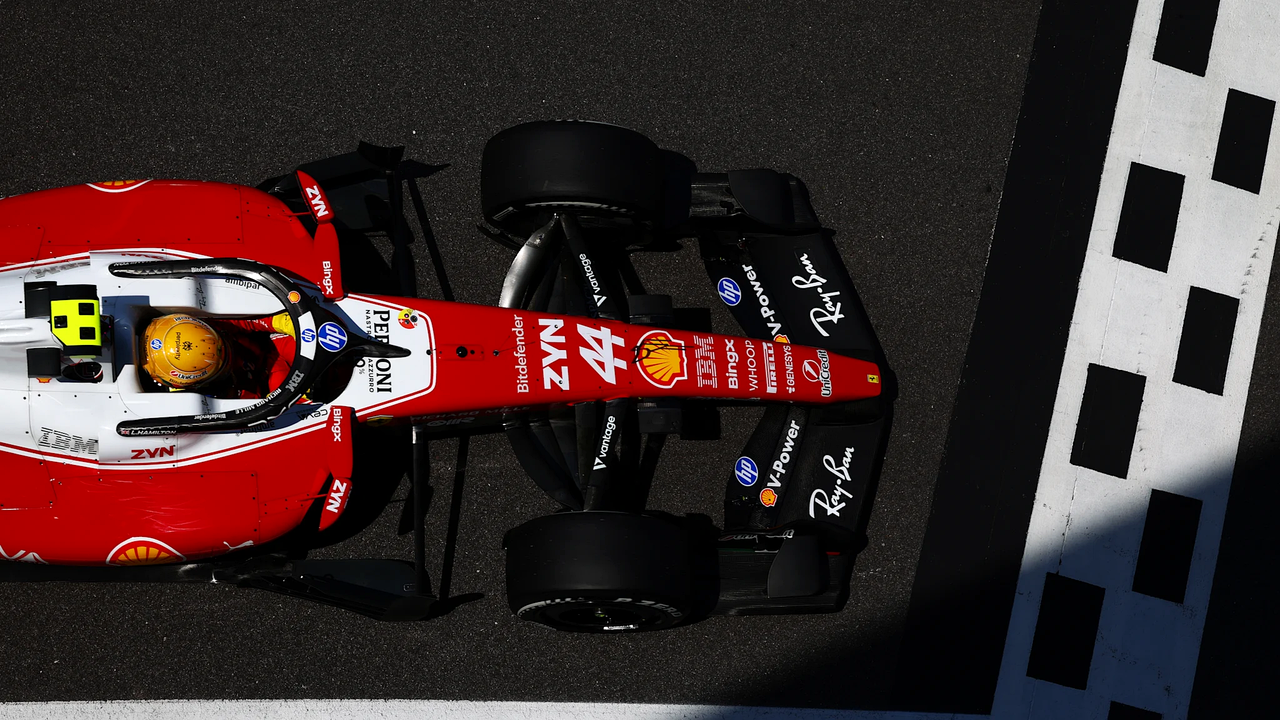
Mercedes should be careful not to chase Antonelli’s exact preferences if they do not fit Russell. Silverstone can reward different driver styles, but only if the car keeps the tyres alive. Russell’s task is to get enough rotation without creating nervous entries, especially when crosswinds and high track temperature may change the grip profile by the hour.
A quiet but important team test
The public headline will stay with Hamilton’s pole, but Mercedes may learn more from Russell’s missing pace than from Antonelli’s near miss. A team fighting at the front has to turn split data into a clear answer quickly. If the engineers solve Russell’s side before qualifying, Mercedes could still have two cars in the Sunday fight.
If they do not, Silverstone becomes another weekend where Mercedes looks quick in one hand and uncertain in the other. Russell has enough experience to recover, but the clock is tight. The difference between a useful fifth and a wasted home Saturday may be one adjustment that lets him trust the car before the first sector is already gone.
Why fifth can still be an alarm
Russell’s fifth place is a good example of a result that looks acceptable until it is placed beside the sister car. On a normal weekend, P5 in a Sprint grid can be a solid platform. At Silverstone, with Antonelli almost on pole, it becomes a sign that Mercedes may not have given both drivers the same useful chance.
The danger is that Mercedes over-correct by chasing the younger driver’s lap trace too literally. Russell’s strength often comes from building confidence across a run, and Silverstone’s corners need that trust to arrive before the apex, not after the car has already started sliding. A set-up that makes the car sharper for one driver can make it more brittle for another.
That is why the Sprint should be treated as a live test rather than a rescue mission. Russell needs to learn whether the strange feeling repeats in traffic, whether the tyres stabilize after the first laps, and whether the car gives him a clearer direction for the afternoon. The result matters, but the diagnosis may matter more.

No Comments