
Red Bull has appointed Gwen Lagrue as Director of its Junior Programme. He will begin the role at the start of 2027. Lagrue arrives after eleven years overseeing young drivers at Mercedes.
His new position follows Helmut Marko’s departure at the end of 2025. Red Bull has promoted many academy drivers into Formula 1. Lagrue now takes responsibility for the next stage of that long programme.
Lagrue leaves Mercedes after eleven years
Lagrue joined Mercedes during a successful period for the senior team. His work focused on drivers below Formula 1. He followed their progress through karting and single-seater categories.
George Russell became the programme’s best-known graduate. He moved through junior racing before reaching Formula 1. Russell later became a race winner for the Mercedes works team.
Kimi Antonelli followed a similarly direct development route. Mercedes supported him across several junior categories. He reached the senior team after an accelerated final step. Esteban Ocon also received support during his early career. He reached Formula 1 despite difficult funding conditions. That history strengthened Lagrue’s reputation for identifying available talent.
Junior management includes more than choosing promising lap times. The role coordinates contracts, teams and racing programmes. It also follows progress across very different competitive levels.
Mercedes confirmed a transition after Lagrue accepted Red Bull’s offer. The move gives both programmes time to adjust. His Red Bull duties begin only when the new year starts.
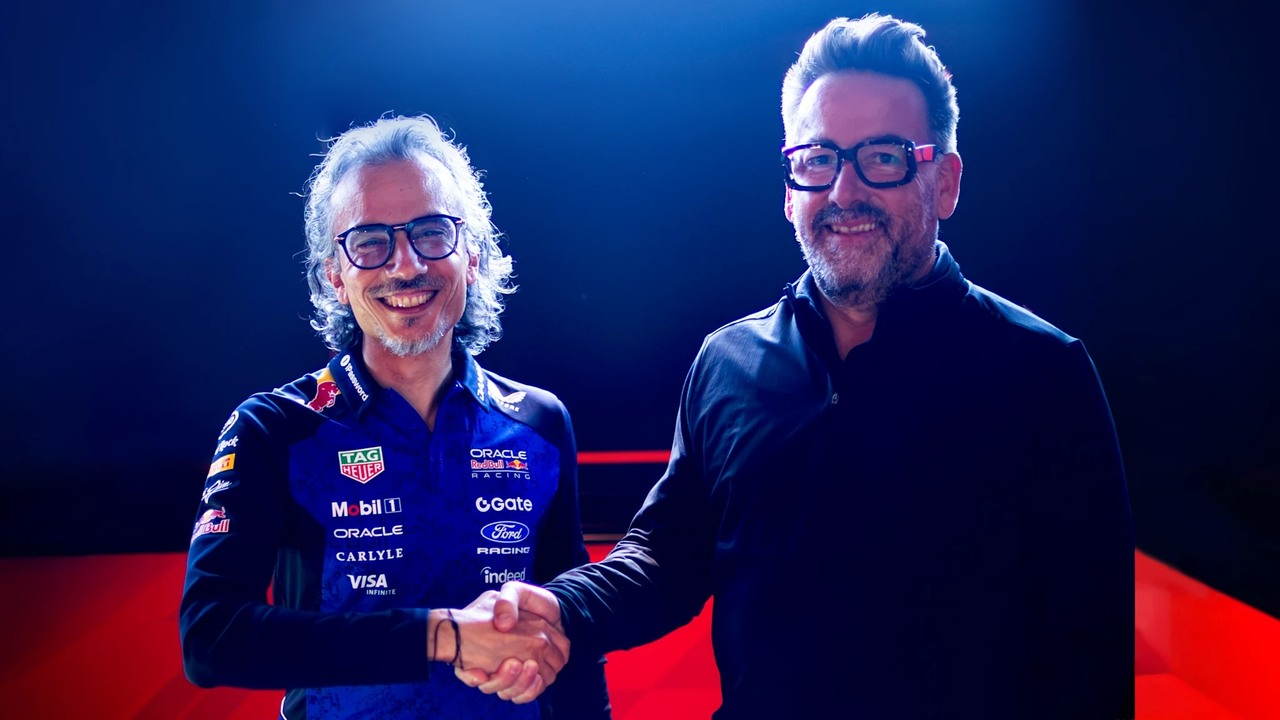
Red Bull has a long junior-driver programme
Red Bull began supporting young drivers before entering Formula 1. The academy later became linked with two senior teams. That structure created more seats for selected graduates.
Sebastian Vettel became an early example of the programme’s reach. He won a race with Toro Rosso before joining Red Bull. Four consecutive world titles followed with the senior team.
Max Verstappen entered Formula 1 through the same wider structure. He started with Toro Rosso at a very young age. Red Bull promoted him during his second season.
Carlos Sainz and Alex Albon also developed inside the programme. Both built long Formula 1 careers after their first opportunities. Their routes included different teams and several changes of role.
The academy has also released drivers who found careers elsewhere. Not every graduate receives a permanent Red Bull seat. The programme therefore combines opportunity with strong internal competition.
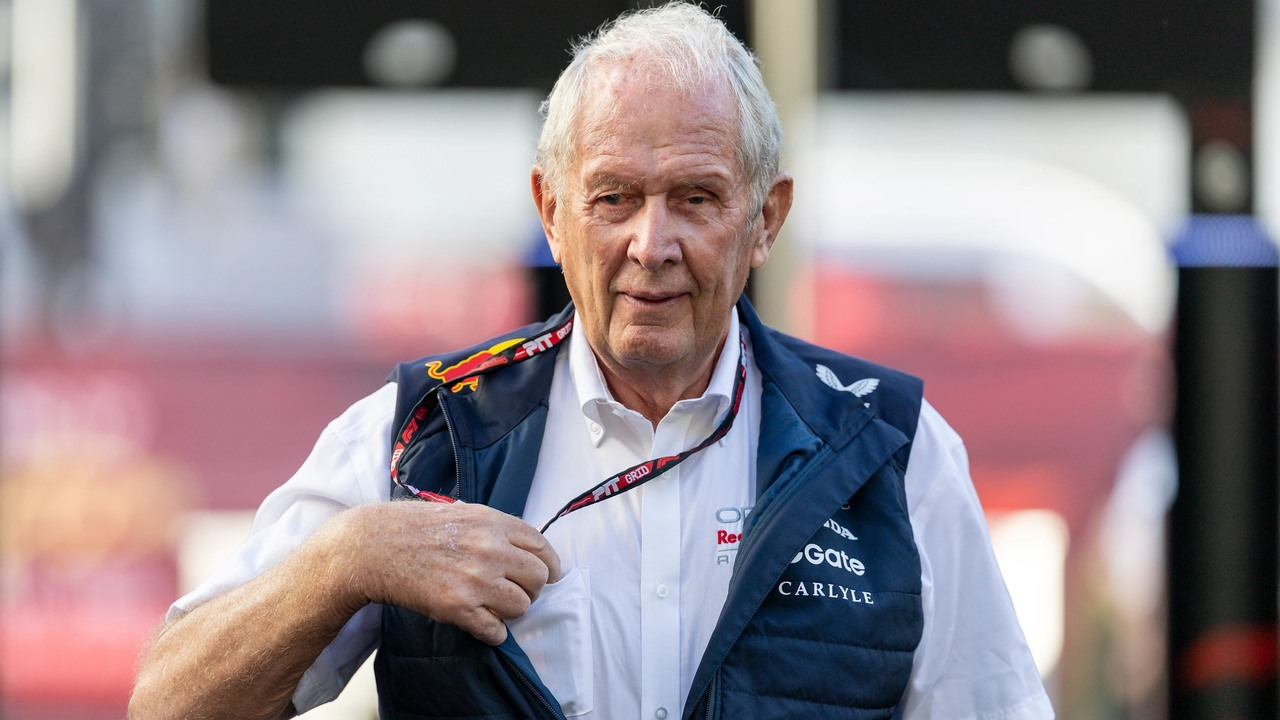
Helmut Marko directed that system for many years. His departure created an important leadership vacancy. Lagrue brings outside experience into an established Red Bull structure.
The current group already contains young drivers
Arvid Lindblad recently became another Red Bull Formula 1 graduate. His promotion continued the academy’s direct link to the grid. The programme still supports drivers across several lower categories.
| New role | Director of the Red Bull Junior Programme |
|---|---|
| Start date | Beginning of 2027 |
| Previous team | Mercedes |
| Time at Mercedes | Eleven years |
Nikola Tsolov leads the Formula 2 standings during the current season. His results have strengthened his position inside the academy. Red Bull continues to monitor his work across every weekend. Other members compete in Formula 3, regional series and karting. Their seasons use different cars and sporting rules. Direct comparisons therefore require more than one championship table.
Lagrue will inherit contracts and programmes already in progress. Several drivers also have agreements with their current race teams. The transition begins while those seasons are still developing.
The senior organisation includes Red Bull Racing and Racing Bulls. Both teams provide possible Formula 1 destinations. Available seats still depend on performance and existing contracts.
A director also works with team principals across junior categories. Those relationships affect testing time and driver preparation. They become especially important before a move between championships.
Lagrue brings experience from several racing series
Eleven years at Mercedes created relationships across international motorsport. Lagrue knows leading kart teams and junior racing operations. He also understands the financial demands of each step.
Red Bull already maintains its own large scouting network. The appointment adds another group of contacts and experiences. That combination broadens the information available to the programme.
Laurent Mekies welcomed Lagrue’s record with young drivers. The Red Bull team principal highlighted his experience and judgement. The public statement also thanked the existing academy staff.
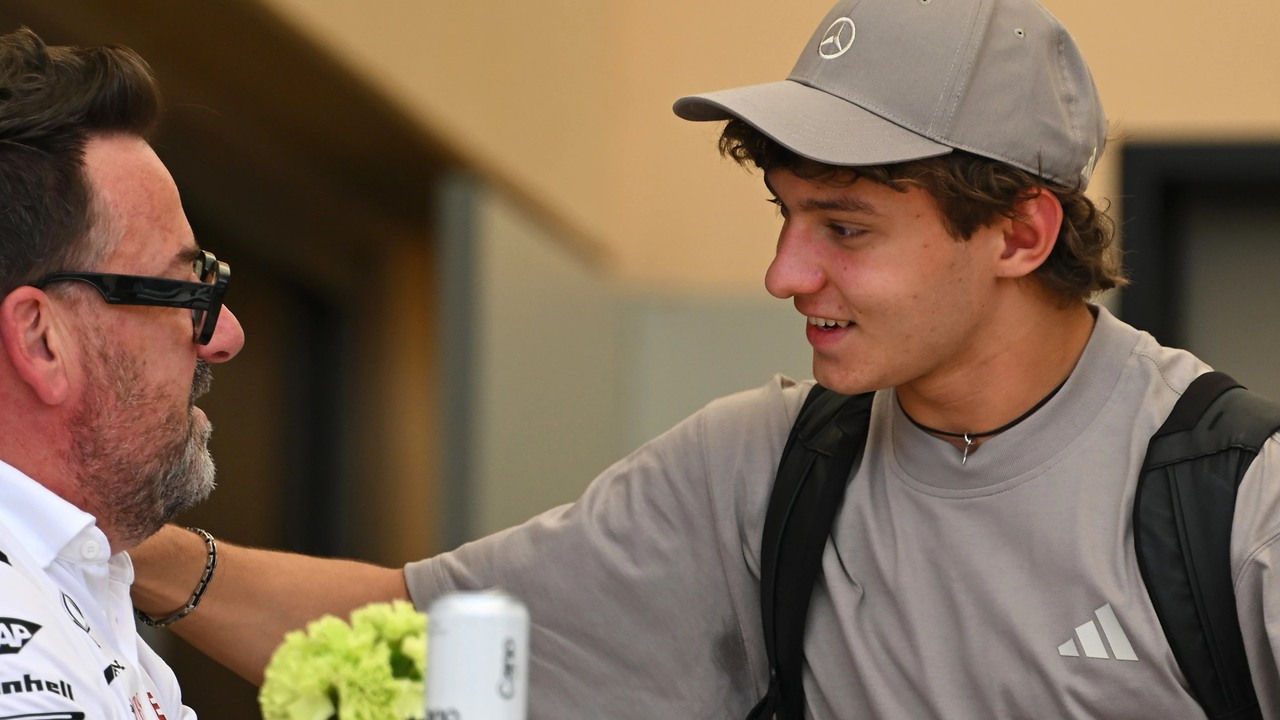
Lagrue described the appointment as a major new challenge. He also recognised the programme’s history in Formula 1. His comments focused on continuing that path from 2027.
The move does not place Lagrue inside a race engineering department. His responsibility concerns drivers and their competitive routes. Senior team decisions remain with the Formula 1 management group.
That division keeps the academy linked with several racing categories. A junior director travels beyond the Formula 1 calendar. Many important evaluations happen at smaller circuits and events.
A planned handover begins before 2027
The announcement arrives months before Lagrue starts the job. That timing allows an orderly handover at both organisations. Current drivers continue their seasons under the existing structure.
Mercedes also has time to appoint its next programme leader. Its young drivers retain their contracts and current schedules. The change concerns management rather than an immediate roster move.
Red Bull will enter 2027 with a new academy director. The organisation still keeps its two-team Formula 1 pathway. That pathway remains unusual among the leading constructors.
Lagrue’s first year will include drivers at many career stages. Some will be close to Formula 1 eligibility. Others will still be learning basic single-seater competition. Results remain the most visible part of every junior programme. Consistency, feedback and adaptation also shape long-term decisions. Lagrue has assessed those qualities throughout his Mercedes career.
The appointment gives Red Bull a confirmed academy successor. It transfers an experienced director between rival organisations. His work with the Red Bull group begins in 2027.
No Comments