
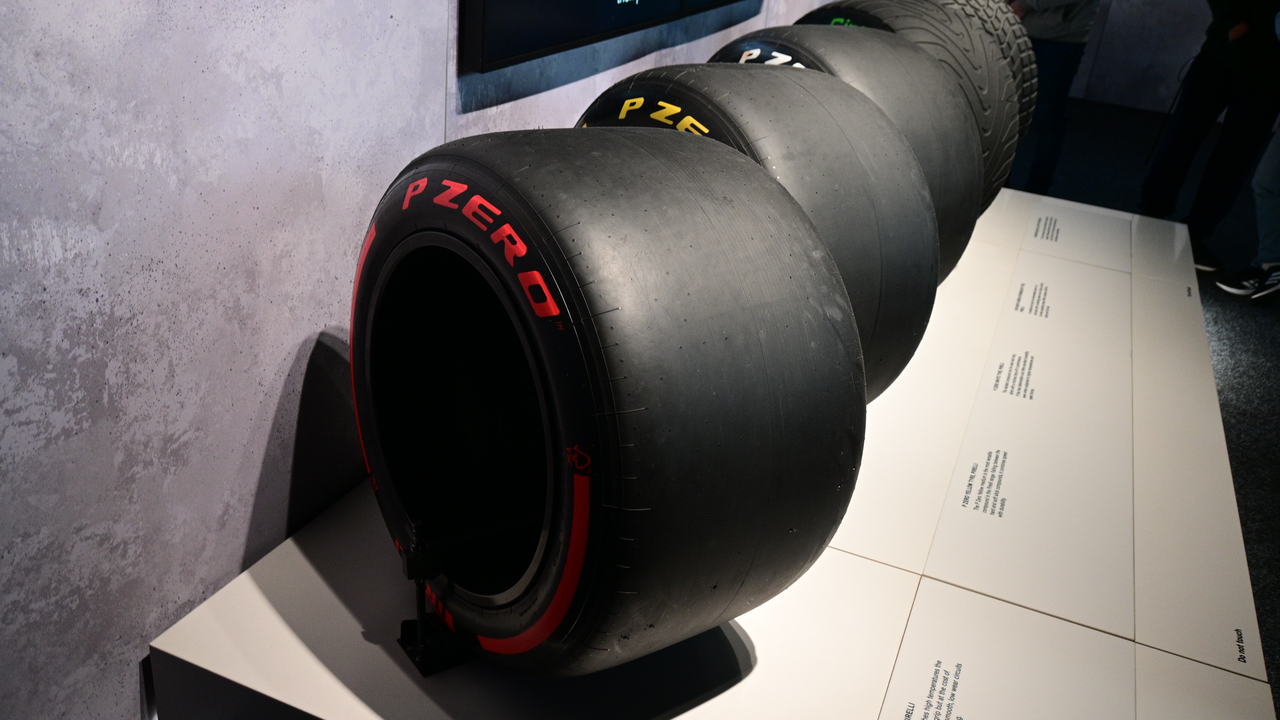
Austria’s Abrasive Asphalt Puts Pirelli’s Softest Compounds to the Test
The Red Bull Ring is one of the most deceptively demanding circuits on the Formula 1 calendar.
Its ten corners and short lap time disguise a track that can savage tyres through a lethal combination of high-speed cornering loads, aggressive kerbs and a surface that has historically produced some of the highest degradation rates of the European swing.
When the 2026 Austrian Grand Prix fires into life on Sunday 28 June, the Pirelli rubber fitted to every car will be every bit as central to the outcome as the all-new power units humming beneath the bodywork.
The 2026 season has already demonstrated that tyre management under the sport’s radical new technical regulations is a genuine differentiator.
With teams still learning how the revised aerodynamic and mechanical packages interact with Pirelli’s constructions, Austria represents a compelling strategic puzzle.
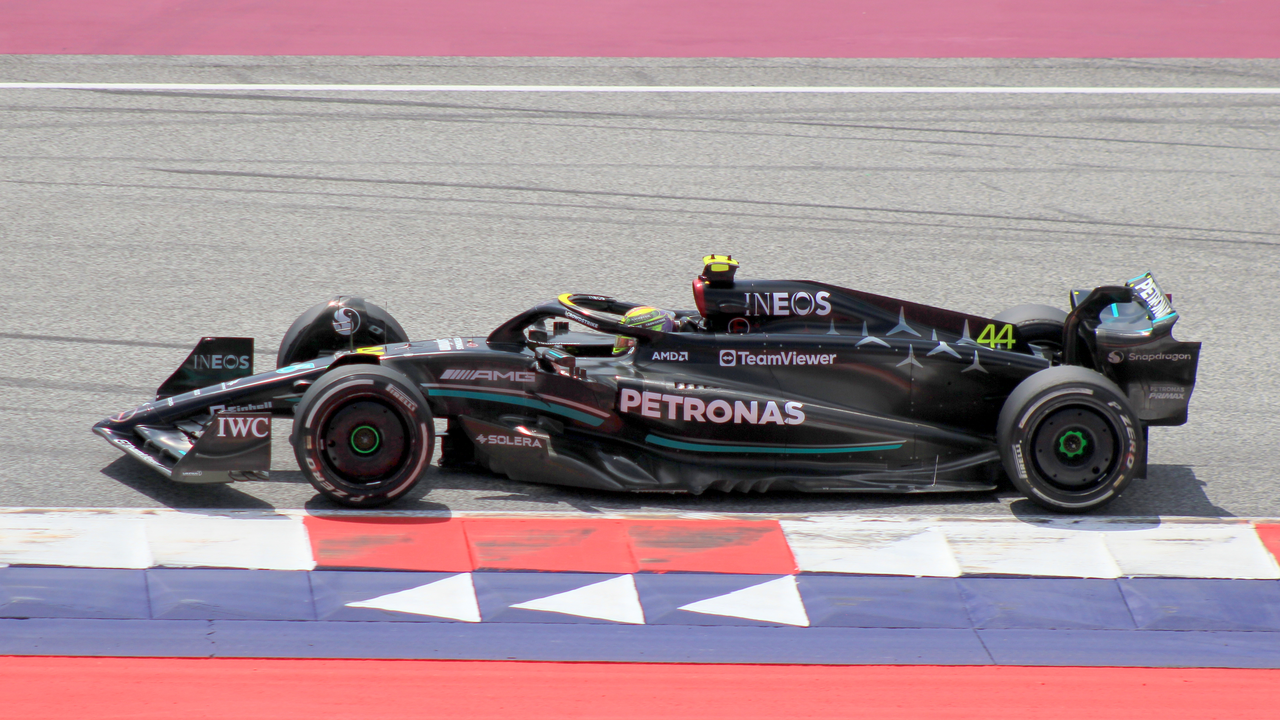
Championship leader Kimi Antonelli arrives at Spielberg holding a 41-point advantage over Ferrari’s Lewis Hamilton, and both title contenders know that a poorly managed tyre stint can evaporate points margins in a matter of laps on the 4.318-kilometre Austrian circuit.
Pirelli’s Compound Selection for Spielberg
Pirelli nominates three compounds from its 2026 range for each event, and Austria traditionally receives selections from the softer end of the portfolio.
The Red Bull Ring’s low-energy nature in terms of lap length means compounds that would struggle elsewhere can survive the race distance — but the aggressive surface texture and the traction demands of the final hairpin complex keep degradation rates elevated regardless of nominal compound hardness.
For the 2026 Austrian GP, Pirelli is expected to bring its C3, C4 and C5 compounds, designated as the Hard, Medium and Soft respectively for race weekend.
The C5 Soft is the grippiest compound in the range and will be the go-to choice during qualifying, particularly for Q3 simulation laps where ultimate one-lap pace is paramount.
The C4 Medium is likely to be the backbone of most race strategies, offering a workable balance between outright pace and durability across the 71 scheduled racing laps.
The C3 Hard is the compound teams are most cautious about. While it offers the greatest longevity, its operating temperature window is narrow on a circuit that does not generate the sustained thermal input of somewhere like Bahrain or Spain.
Getting the Hard into its optimal working range quickly enough to make a long stint pay off has historically been a challenge at the Red Bull Ring, a factor that tends to push teams towards Medium-focused strategies rather than Hard-anchored ones.
Historical Tyre Degradation at the Red Bull Ring
Austria’s degradation profile is defined by two primary factors: the abrasive asphalt laid during a resurfacing programme that introduced high micro-roughness, and the lateral forces generated at Turns 3, 4 and 9.
The final sweeping right-hander before the main straight is particularly punishing on rear-left compounds, creating a characteristic wear pattern that teams must account for when building their stint-length models.
Historically, the Red Bull Ring has produced tyre degradation that teams have historically modelled in the region of a tenth of a second per lap on the Soft compound, with that figure rising sharply if drivers push beyond the tyre’s thermal ceiling.
The Medium holds up considerably better, typically degrading at half the rate of the Soft over comparable stint lengths. The Hard, meanwhile, can take six to eight laps to reach peak performance, a characteristic that makes the opening phase of any Hard stint feel costly from a lap-time perspective.
The 2026 regulations have altered the underlying loads on tyres due to changes in car weight, power delivery and downforce philosophy, meaning teams will be working with limited historical correlation.
The all-new power units — particularly their revised energy deployment profiles — change the amount of wheelspin and traction stress applied to the rear tyres out of Austria’s slow corners, which could shift degradation benchmarks in either direction.
Expect significant uncertainty in team strategy calls as a result.
The One-Stop Versus Two-Stop Debate
Austria has historically sat at the boundary between viable one-stop and two-stop strategies, and the 2026 race is unlikely to be any different.
The circuit’s short lap length means that a pit stop costs relatively fewer seconds in terms of track position compared to longer circuits, which makes additional stops cheaper to absorb.
Simultaneously, the 71-lap race distance is long enough that tyre degradation can compound significantly if a driver is asked to run an extended first stint on the Soft.
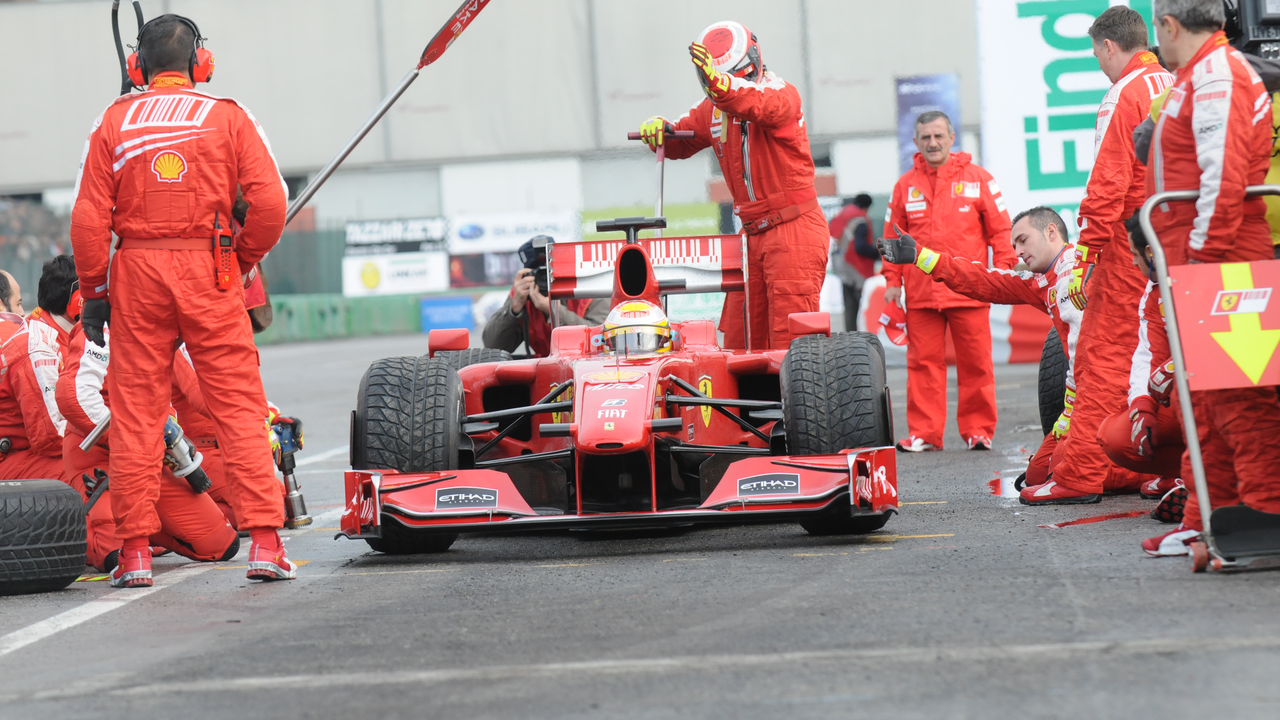
A straightforward one-stop plan — Medium to Medium, or Soft to Medium — is feasible if the race runs cleanly. The Medium tyre has shown historically that it can cover over 35 laps at the Red Bull Ring without catastrophic degradation, provided the pace is managed sensibly.
A driver who qualifies well and can run in clean air, controlling their own pace rather than reacting to the car ahead, is best placed to exploit a one-stopper.
The two-stop scenario becomes the preferred choice when the Safety Car does not appear and tyre degradation accelerates beyond predictions. In a field still adapting to 2026 machinery, that is a meaningful possibility.
A Soft-Medium-Medium or Soft-Soft-Medium split gives drivers a performance burst in the opening phase before settling into more durable compounds, and the strategy works particularly well if a driver needs to make track-position moves after a poor qualifying result.
Antonelli’s title campaign means Mercedes may lean conservative, but Ferrari’s need to close the 41-point gap could push Hamilton’s team towards an aggressive two-stopper if the pace warrants it.
No Comments