
Isack Hadjar has stayed close to Max Verstappen across the opening eleven rounds. Their average qualifying gap is the smallest among Verstappen’s recent teammates.
The comparison covers the opening eleven rounds of the 2026 season. It uses lap times adjusted to the same ninety-second reference.
Hadjar moved into the Red Bull seat for 2026
Hadjar joined Red Bull after completing his rookie season with Racing Bulls. The promotion placed him beside Verstappen for his second Formula 1 campaign. The seat has challenged several experienced drivers during the past decade. Verstappen’s speed and consistency create a demanding internal reference every weekend. Hadjar has responded with close qualifying performances across different circuits. His average deficit sits slightly above one tenth of a second.
That figure describes the normalised comparison rather than one fastest lap. A single exceptional session therefore has less influence on the overall picture. Hadjar earned promotion after a rookie year that showed speed with Racing Bulls. Moving to Red Bull changed both the car and the internal reference. Verstappen had already completed many seasons with the team and knew its working methods. Hadjar entered with one year of Formula 1 experience and a new engineering group. Close qualifying laps therefore required quick adaptation as well as outright pace. The first eleven rounds included several circuit styles and changing grip levels. His average remained close after those separate challenges. That consistency gives the comparison more weight than one isolated front-row result.
Normalised laps create a fairer comparison
Grand Prix circuits have very different lap lengths and average speeds.
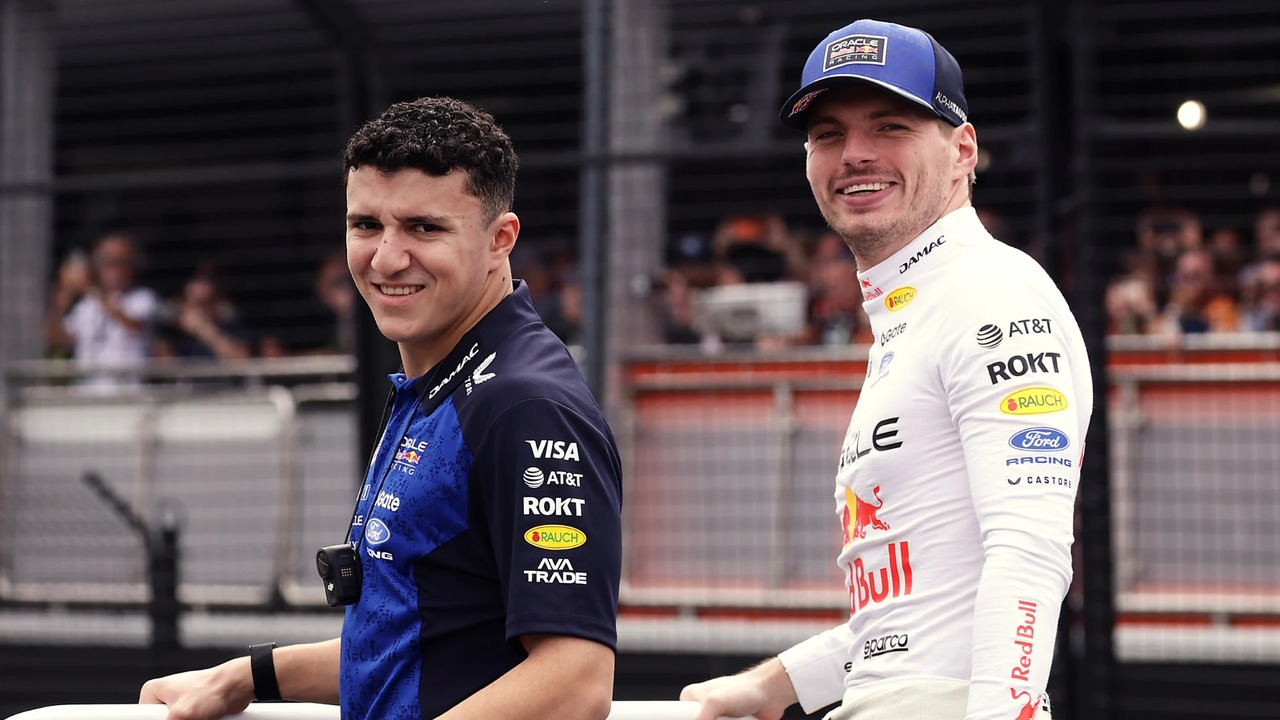
A raw time gap can look larger on a long circuit. The calculation adjusts every qualifying lap to a ninety-second reference. This method reduces the effect created by the length of each track. Weather, traffic and tyre preparation still affect individual sessions. An average across eleven rounds reduces the influence of one unusual Saturday.
Hadjar’s position remains close after those adjustments. He trails Verstappen by just over one tenth on the common reference. Normalising every lap to ninety seconds makes different circuits easier to compare. A two-minute lap naturally produces larger raw gaps than a short lap. The adjustment reduces that distortion without changing the order between teammates. It cannot remove traffic, weather or separate tyre temperatures from individual sessions. Those effects become less powerful when the average includes eleven rounds. Hadjar’s deficit remained slightly above one tenth after the full calculation. Verstappen still led the comparison, but the margin stayed narrow. The method therefore records both Hadjar’s progress and Verstappen’s continuing advantage.
The comparison reaches back to Ricciardo
Daniel Ricciardo recorded the closest full-season average beside Verstappen in 2017. His gap was around half a tenth on the same scale. Hadjar currently ranks next in that historical comparison. His average is also smaller than Ricciardo’s figure from the following season. Other teammates faced much wider gaps during later campaigns. Several averages moved toward half a second or beyond that point.
The contrast gives Hadjar’s opening eleven rounds a clear context. He has remained near Verstappen without matching every race result. Ricciardo remains the closest Red Bull teammate in this historical group. His 2017 average sat around half a tenth behind Verstappen. Hadjar currently follows him and improves on Ricciardo’s gap from 2018.
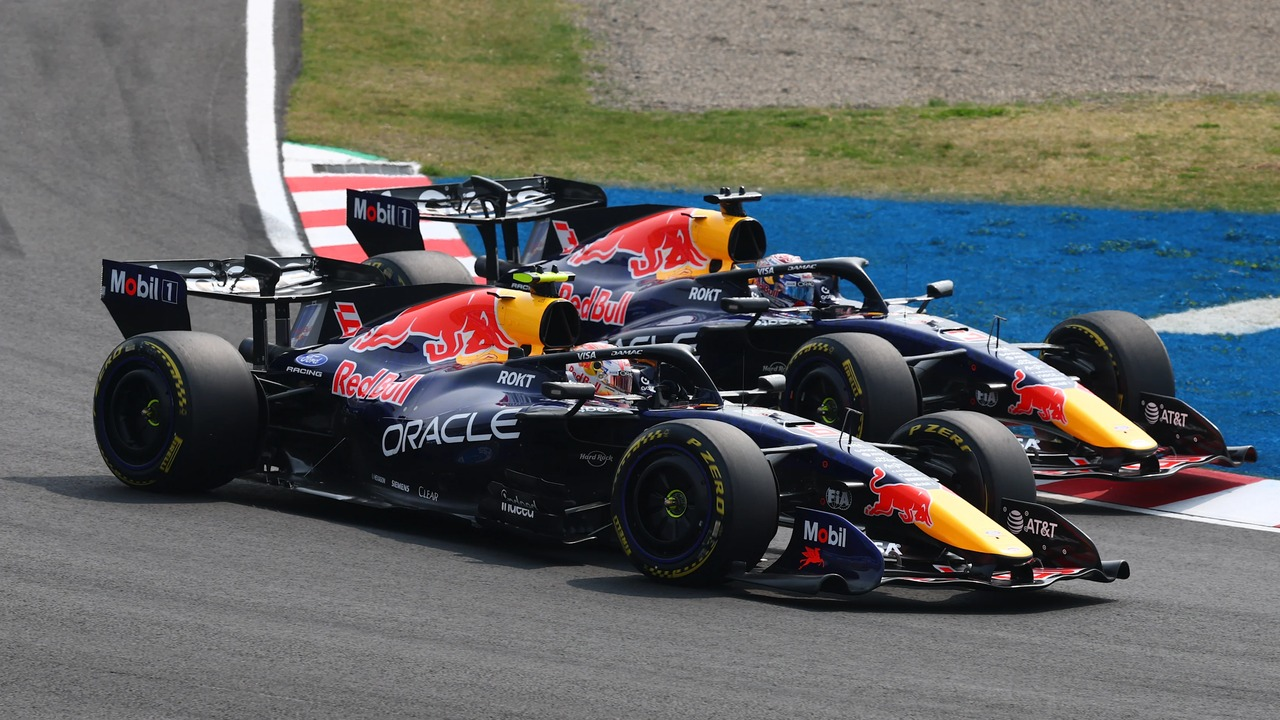
Later teammates generally recorded larger average differences across their Red Bull seasons. Some gaps moved toward half a second on the normalised scale. Those figures show why the second seat developed a difficult reputation. Hadjar has not matched Verstappen, but he has avoided the widest recent separation. His opening eleven rounds rank near the strongest comparison in the available record.
Race points provide a second measure
Qualifying pace covers only one part of a Formula 1 weekend. Race results also depend on starts, tyre management, strategy and reliability. Verstappen leads Hadjar by forty-one championship points after eleven rounds. That difference is smaller than several recent Red Bull season gaps. Hadjar has converted enough weekends into points to stay within reach. Verstappen still holds the stronger total and the leading internal position.
Comparing both measures avoids relying on Saturday alone. Hadjar is close over one lap while Verstappen retains the race-points advantage. Championship points measure completed Sundays rather than qualifying pace alone. Verstappen leads Hadjar by forty-one points after the first eleven rounds. The difference includes race execution, reliability and opportunities created by each starting position. Hadjar has still kept the gap smaller than several recent Red Bull pairings. Ricciardo remains the only teammate in the comparison who outscored Verstappen over a season. That happened in 2017, before Verstappen began his later title run. The current standings place Verstappen ahead while keeping both drivers in regular scoring positions. Saturday and Sunday therefore tell connected but distinct parts of Hadjar’s season.
Eleven rounds establish a strong baseline
Hadjar’s current numbers cover only the completed portion of the season. They already provide a stable reference from eleven different events. Red Bull has data from street circuits, permanent tracks and changing weather. The same driver pairing produced useful comparisons in each setting. Hadjar has adapted without a prolonged sequence far behind his teammate. Verstappen remains the benchmark through pace, experience and accumulated points.
Hadjar has delivered Red Bull’s closest recent qualifying comparison beside Verstappen. Their average adjusted gap sits just above one tenth of a second. Formula 1 calculated the comparison by adjusting qualifying gaps to a ninety-second lap. That method reduces the effect of different circuit lengths. A short lap and a long lap can otherwise give the same raw gap a different meaning. The calculation uses qualifying sessions completed by both Red Bull drivers. Hadjar’s adjusted average remains the closest Red Bull comparison since Daniel Ricciardo partnered Verstappen. Race points provide a separate measure because reliability, strategy and incidents affect the Sunday result. Verstappen leads Hadjar by forty-one points after eleven rounds. The two numbers therefore describe different parts of the same teammate comparison. Saturday pace has remained close, while the race totals show a larger difference. Eleven rounds provide the current comparison between the Red Bull drivers. Hadjar has qualified on street circuits and faster permanent tracks beside Verstappen. The pairing has also worked through different temperatures, tyre choices and race schedules. Red Bull can compare feedback from both cars after each weekend. Their small qualifying gap gives engineers two nearby performance references. Race points separate the drivers more clearly than their average Saturday pace. Hadjar trails Verstappen by forty-one points after those eleven rounds. His adjusted qualifying gap remains just above one tenth of a second.


No Comments