
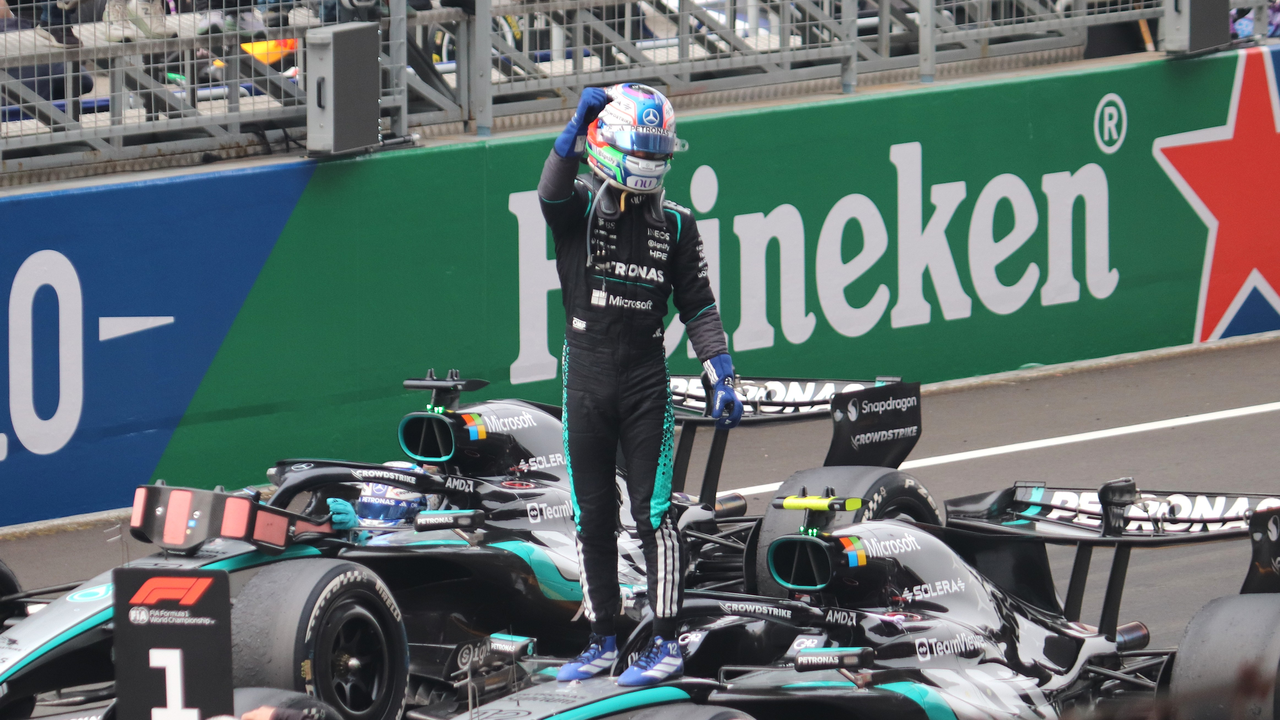
Ένα νέο εγχειρίδιο κανόνων αναδιαμορφώνει την τάξη της F1
Η Formula 1 υποσχέθηκε ότι το 2026 θα ήταν διαφορετικό, και επτά γύροι μετά την έναρξη της πρώτης σεζόν, υπό τους ολοκαίνουργιους τεχνικούς κανονισμούς και τους κανονισμούς κινητήρων του αθλήματος, τα πρώτα αποτελέσματα είναι έντονα. Οι ομάδες που έγραψαν το σενάριο της προηγούμενης εποχής δεν είναι αυτές που το γράφουν τώρα.
Ο τίτλος είναι αρκετά απλός. Η Mercedes βρίσκεται στην κορυφή της βαθμολογίας των κατασκευαστών με 262 βαθμούς, μια σημαντική διαφορά από τη Ferrari με 190 και τη McLaren με 141. Η Red Bull, το σημείο αναφοράς του πρόσφατου κύκλου κανόνων, είναι μόλις τέταρτη με 89. Η Alpine συμπληρώνει την πρώτη πεντάδα με 57.
Για μια αλλαγή στους κανονισμούς που χαρακτηρίζεται ως η μεγαλύτερη επαναφορά σε μια γενιά, που επηρεάζει τόσο τη φιλοσοφία του πλαισίου όσο και την υβριδική μονάδα ισχύος, αυτό είναι το είδος της αναδιάρθρωσης που οι αρχιτέκτονες των κανόνων σιωπηλά ήλπιζαν και οι αντίπαλοί τους φοβόντουσαν σιωπηλά.
Πώς στοιβάζεται ο πίνακας κατασκευαστών
| Pos | Κατασκευαστής | σημεία |
|---|---|---|
| 1 | Mercedes | 262 |
| 2 | Ferrari | 190 |
| 3 | McLaren | 141 |
| 4 | κόκκινος ταύρος | 89 |
| 5 | Alpine | 57 |
Ένα προβάδισμα 72 βαθμών στην πρώτη γραμμή τόσο νωρίς δεν είναι ανυπέρβλητο σε μια ολόκληρη σεζόν, αλλά είναι το είδος της διαφοράς που σηματοδοτεί ένα πραγματικό πλεονέκτημα πακέτου και όχι μια σειρά από τυχερά Σαββατοκύριακα.
Ο Αντονέλι ανοίγει το δρόμο για τη Mercedes
Το πιο ξεκάθαρο σύμβολο του γρήγορου ξεκινήματος της Mercedes είναι ο Kimi Antonelli, ο οποίος ηγείται του πρωταθλήματος οδηγών με 156 βαθμούς. Το αυτοκίνητο της ομάδας έχει χαρίσει πέντε νίκες στον νεαρό Ιταλό, μετατρέποντας αυτό που πολλοί ανέμεναν να είναι μια αναπτυξιακή σεζόν σε μια διεκδίκηση του τίτλου.
Αυτή η πορεία έχει ασκήσει πραγματική πίεση στην άλλη πλευρά του γκαράζ. Η ενδοομαδική δυναμική έχει γίνει μια από τις καθοριστικές ιστορίες της σεζόν, με επίκεντρο το αν ο Τζορτζ Ράσελ μπορεί να φτάσει έναν συμπαίκτη που έχει ξεκινήσει δυναμικά. Το επιχείρημα ότι η αντίδραση του Ράσελ θα κριθεί από την κυριαρχία των λεπτών περιθωρίων τέθηκε όταν ο Μίκα Χάκινεν είπε ότι ο Ράσελ πρέπει να νικήσει τον Αντονέλι ελέγχοντας τις μικρές λεπτομέρειες.
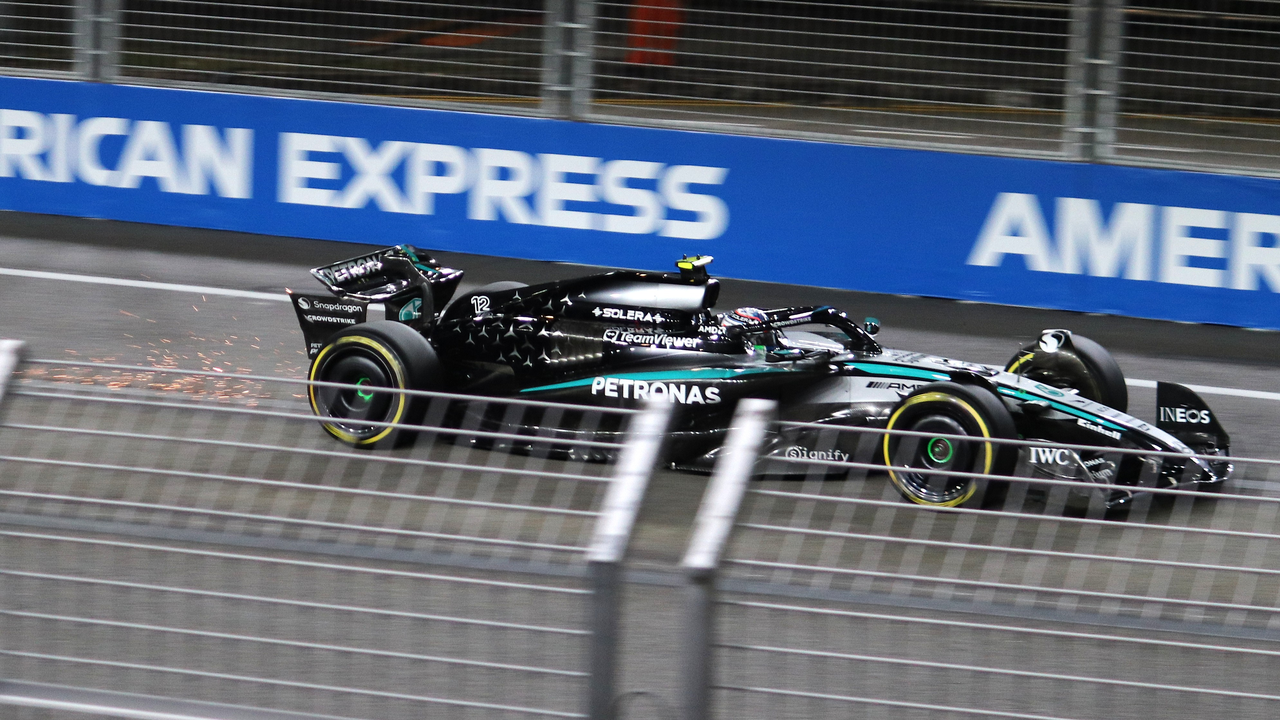
Ο Russell, από την πλευρά του, έχει μιλήσει για την επιθυμία του για καθαρά, χωρίς δράματα Σαββατοκύριακα, ώστε να διατηρήσει το μισό της σεζόν σε καλό δρόμο, ένα θέμα που προέκυψε όταν ο George Russell έψαχνε για ένα ομαλό Σαββατοκύριακο στη Βαρκελώνη για να επαναφέρει τη Mercedes . Με το αυτοκίνητο, αυτή η ισχυρή, λειτουργική συνέπεια και όχι ο ακατέργαστος ρυθμός έχει γίνει η μεταβλητή που έχει τη μεγαλύτερη σημασία μέσα στην ομάδα.
Οι κυνηγοί ακόμα ψάχνουν
Η Ferrari βρίσκεται στη δεύτερη θέση και παραμένει ο πλησιέστερος αντίπαλος της Mercedes, ενώ η McLaren καταλαμβάνει την τρίτη θέση και έχει δείξει ότι μπορεί να πάρει την πρωτοπορία. Αυτή η ανταγωνιστική εικόνα ήταν ορατή στη Βαρκελώνη, όπου η McLaren έκανε μια αναδρομή στην μάχη με τη Mercedes μετά την προπόνηση της Βαρκελώνης , μια υπενθύμιση ότι η σειρά πίσω από τους πρωτοπόρους δεν έχει ακόμη καθοριστεί.
Οι νέοι κανονισμοί δεν έχουν οδηγήσει σε μια νίκη μιας ομάδας όπως φοβόντουσαν κάποιοι. Τρεις κατασκευαστές ανταλλάσσουν ρεαλιστικά την απόδοση τους σε επίπεδο βάθρου, ακόμα κι αν η Mercedes έχει μέχρι στιγμής μετατρέψει αυτή τη δυνατότητα σε βαθμούς πιο αξιόπιστα από οποιονδήποτε άλλον.
Το σημείο αναφοράς της παλιάς εποχής αγωνίζεται
Ίσως το πιο εντυπωσιακό κομμάτι της ιστορίας στις αρχές του 2026 είναι ποιος λείπει από την πρώτη θέση. Η Red Bull, κυρίαρχη στον προηγούμενο κύκλο κανόνων, είναι τέταρτη και πολύ πίσω από τους πρωτοπόρους. Ο Max Verstappen, ο οδηγός που έθεσε τα πρότυπα τις τελευταίες σεζόν, έχει βρει το νέο αυτοκίνητο και τη μονάδα ισχύος μια πολύ πιο δύσκολη πρόταση.
Οι επαναφορές κανονισμών έχουν μακρά ιστορία αναδιαμόρφωσης της ιεραρχίας, επιβραβεύοντας τις ομάδες που διάβασαν το νέο εγχειρίδιο κανόνων νωρίτερα και τιμωρώντας όσες εξοικειώθηκαν. Δύο μήνες μετά, αυτό το μοτίβο φαίνεται να επαναλαμβάνεται. Η ομάδα που είχε τις απαντήσεις με την παλιά φόρμουλα είναι τώρα αυτή που θέτει τα ερωτήματα.
Το αν η Red Bull μπορεί να ανακάμψει καθώς η ανάπτυξη κατά τη διάρκεια της σεζόν ξεκλειδώνει περισσότερα από το πακέτο είναι ένα από τα κεντρικά ερωτήματα της χρονιάς. Με ένα μακρύ ημερολόγιο ακόμα μπροστά της, η ανάκαμψη κάθε άλλο παρά αποκλείεται, αλλά το έλλειμμα είναι πραγματικό και ο χρόνος μετρά.
Η Αυστρία αυξάνει την επιχειρησιακή πίεση
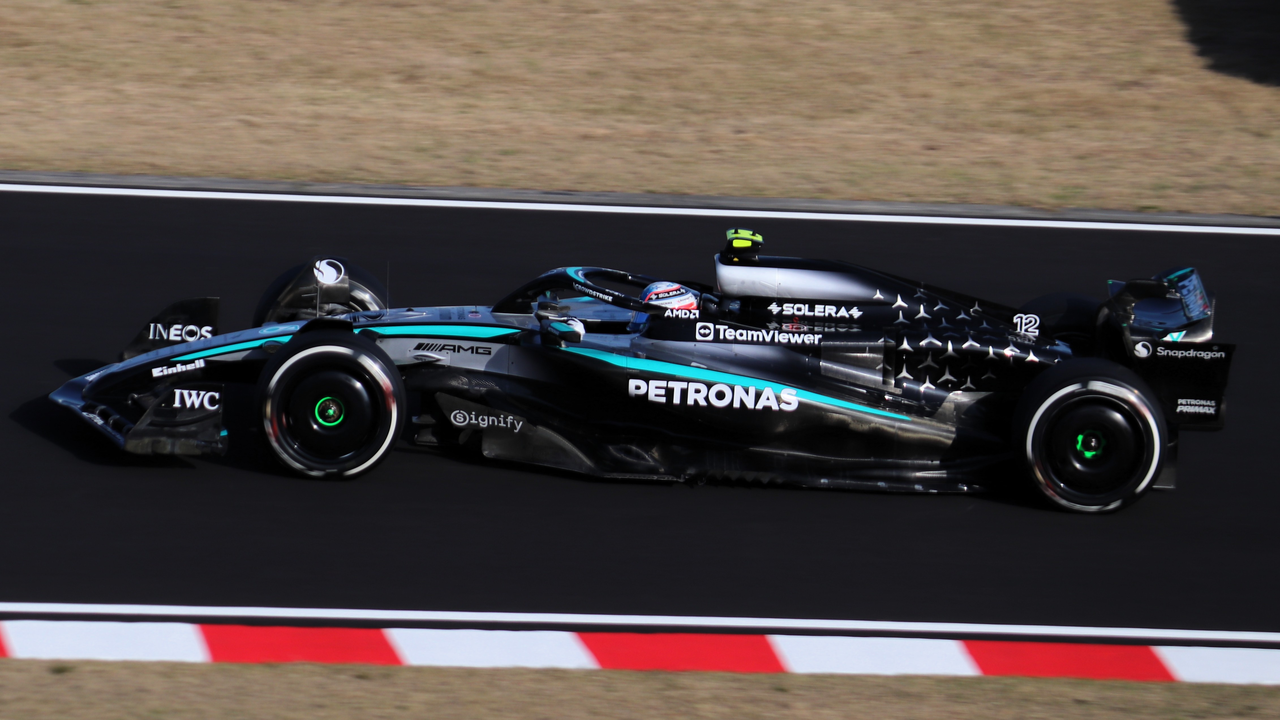
Το επόμενο σημείο αναφοράς για τα δεδομένα έρχεται στο Αυστριακό Γκραν Πρι στις 28 Ιουνίου, ένας γύρος που θα πρέπει να βελτιώσει την εικόνα των ελαστικών και της λειτουργίας τους βάσει των νέων κανόνων. Η Pirelli έχει ορίσει τις πιο μαλακές γόμες της για το Σαββατοκύριακο, φέρνοντας τα C3, C4 και C5 στο Red Bull Ring.
Αυτή η επιλογή δίνει έμφαση στον τρόπο με τον οποίο οι ομάδες διαχειρίζονται το πιο μαλακό άκρο της γκάμας, έναν τομέα όπου τα αυτοκίνητα με τους νέους κανόνες εξακολουθούν να γίνονται κατανοητά. Η αντιμετώπιση της θερμοκρασίας και της φθοράς σε έναν μόνο γύρο και ένα stint αγώνα ήταν ένα επαναλαμβανόμενο θέμα της σεζόν, και η μαλακή κατανομή στην Αυστρία θα ανταμείψει όποιον έχει τον πιο καθαρό έλεγχο σε αυτήν.
Οι αρχάριοι ξανά στο προσκήνιο
Το Σαββατοκύριακο περιλαμβάνει επίσης μια υποχρεωτική απαίτηση για τους αρχάριους να τρέχουν στις πρώτες δοκιμές, βάζοντας νέους οδηγούς σε αυτοκίνητα κατά τη διάρκεια μιας ζωντανής περιόδου. Σε μια χρονιά όπου τα λειτουργικά περιθώρια είναι τόσο σημαντικά, η παραχώρηση χρόνου στο FP1 σε λιγότερο έμπειρους οδηγούς προσθέτει ένα ακόμη επίπεδο για τις ομάδες να διαχειριστούν ενάντια στον χρόνο.
Είναι μια κατάλληλη στιγμή για μια σεζόν που χαρακτηρίζεται από προσαρμογή. Η πρόκληση της διατήρησης καθαρής και σταθερής κατάστασης σε ένα δύσκολο Σαββατοκύριακο ήταν μια συνεχής ανησυχία σε όλο το grid, συμπεριλαμβανομένων και των πρωτοπόρων, όπως φάνηκε όταν ο Antonelli χαρακτήρισε την Barcelona δύσκολη καθώς η Mercedes έψαχνε για μια καθαρή απάντηση.
Τι μας λένε οι πρώτοι επτά γύροι
Δύο μήνες είναι ένα σύντομο χρονικό διάστημα για να κριθεί ένας πολυετής κύκλος κανονισμών και η βαθμολογία θα αλλάξει. Αλλά τα πρώτα στοιχεία δείχνουν προς μια συνεπή κατεύθυνση: Η Mercedes έχτισε την ισχυρότερη ερμηνεία των κανονισμών του 2026 από την αρχή, ο Antonelli την αξιοποιεί στο έπακρο και η παλιά σειρά δεν είναι πλέον η ίδια.
- Η Mercedes προηγείται ξεκάθαρα των κατασκευαστών μετά από επτά γύρους.
- Ο Αντονέλι βρίσκεται στην κορυφή των οδηγών με πέντε νίκες στο ενεργητικό του.
- Η Ferrari και η McLaren είναι οι πιο κοντινοί αντίπαλοι.
- Η Red Bull και ο Verstappen εξακολουθούν να αναζητούν φόρμα.
Η Αυστρία προσφέρει την επόμενη εκτίμηση για το αν αυτή η εικόνα ισχύει ή αν οι συμμετοχές αρχίζουν να συγκλίνουν καθώς όλοι μαθαίνουν περισσότερα για τους αγώνες υπό τη μεγαλύτερη επαναφορά της Formula 1 εδώ και χρόνια.
Χωρίς σχόλια