
Ο Τζορτζ Ράσελ φτάνει στη Βαρκελώνη αναζητώντας κάτι που ακούγεται απλό αλλά μπορεί να είναι δύσκολο να επιτευχθεί σε ένα σύγχρονο Σαββατοκύριακο της Formula 1: μια καθαρή πορεία από την Παρασκευή έως την Κυριακή. Μετά από ένα απογοητευτικό Γκραν Πρι του Μονακό, ο οδηγός της Mercedes ξεκαθάρισε ότι ο στόχος δεν είναι μια θαυματουργή διόρθωση, αλλά μια πιο ομαλή βασική γραμμή που θα επιτρέψει στην ομάδα να κρίνει τον πραγματικό της ρυθμό.
Η Βαρκελώνη είναι ένα χρήσιμο μέρος για αυτήν την επαναφορά. Η πίστα Circuit de Barcelona-Catalunya θεωρείται εδώ και καιρό ως σημείο αναφοράς επειδή θέτει διαφορετικά ερωτήματα σε κάθε γύρο. Ένα αυτοκίνητο χρειάζεται σταθερότητα στις γρηγορότερες στροφές, πρόσφυση σε πιο αργά τμήματα και αρκετή απόδοση στην ευθεία για να αποφύγει την απώλεια χρόνου στο τέλος του γύρου.
Για τη Mercedes, το Σαββατοκύριακο είναι σημαντικό επειδή η πρόσφατη φόρμα δεν ήταν πάντα εύκολο να διαβαστεί. Οι δυνατές στιγμές στις κατατακτήριες δεν έχουν μετατραπεί αυτόματα σε ήρεμες Κυριακές και η ομάδα πρέπει ακόμα να καταλάβει πώς συμπεριφέρεται το αυτοκίνητό της στις μεταβαλλόμενες θερμοκρασίες της πίστας και στη διάρκεια ζωής των ελαστικών.
Γιατί ο Ράσελ θέλει ένα ήσυχο Σαββατοκύριακο
Ένα ομαλό Σαββατοκύριακο είναι πολύτιμο επειδή παρέχει στους μηχανικούς χρήσιμες πληροφορίες. Όταν ένας οδηγός χάνει χιλιόμετρα εξάσκησης, παγιδεύεται στην κίνηση ή πρέπει να ανακάμψει από απροσδόκητα προβλήματα, η ομάδα ξοδεύει πολύ χρόνο αντιδράοντας. Το επιχείρημα του Russell είναι ότι η Mercedes χρειάζεται ένα Σαββατοκύριακο όπου το αυτοκίνητο μπορεί να αξιολογηθεί χωρίς θόρυβο.
Αυτό δεν σημαίνει ότι η Mercedes περιμένει από την Barcelona να λύσει κάθε πρόβλημα. Σημαίνει ότι η ομάδα χρειάζεται μια καθαρή ακολουθία: αντιπροσωπευτικούς αγώνες της Παρασκευής, μια προκριματική περίοδο χωρίς διακοπές και έναν αγώνα όπου η στρατηγική μπορεί να κριθεί σωστά. Μόνο τότε μπορεί η ομάδα να ξέρει αν ο ρυθμός της είναι γνήσιος ή καλύπτεται από τις περιστάσεις.
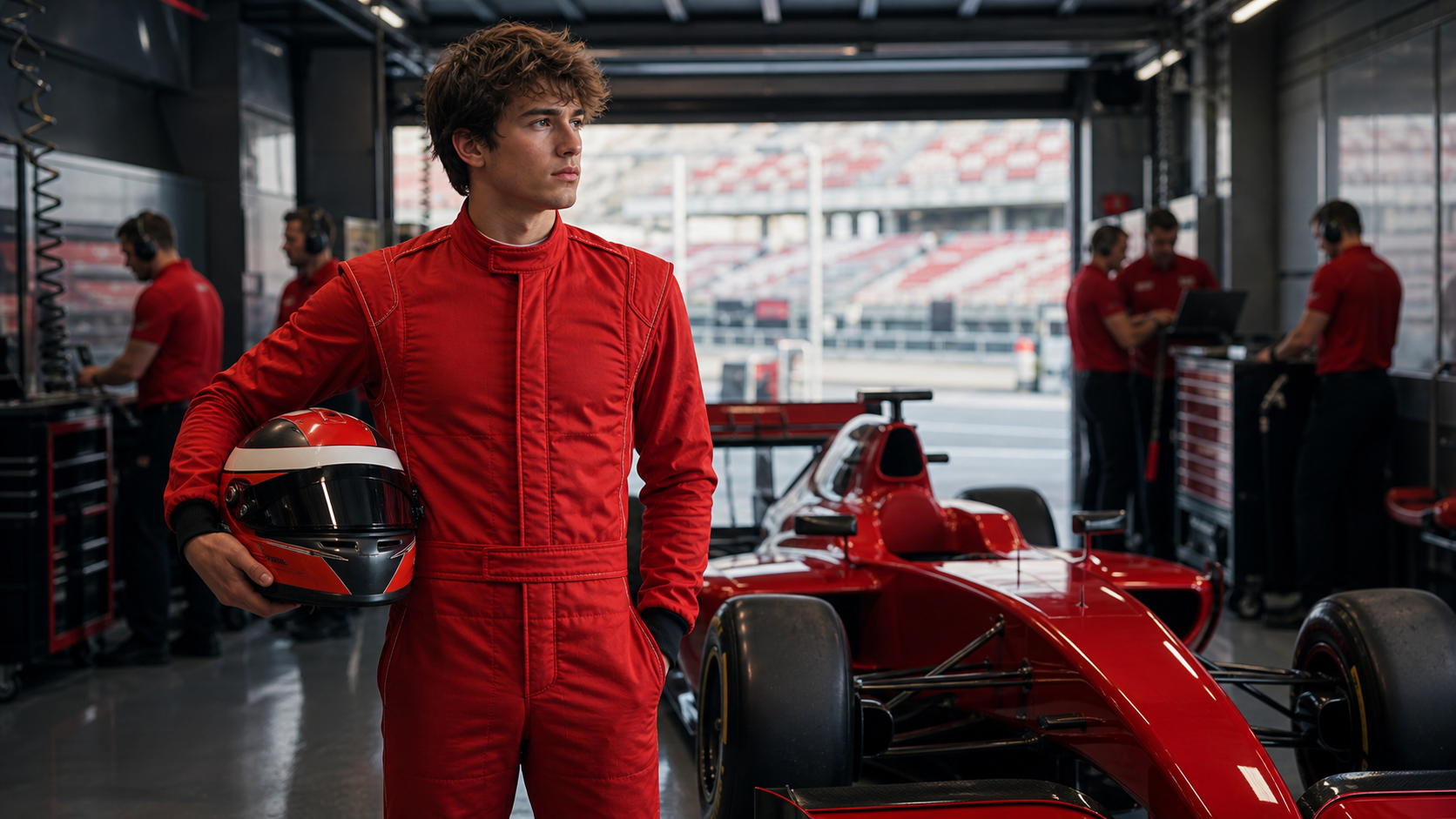
Η Βαρκελώνη τείνει επίσης να τιμωρεί την αδύναμη ισορροπία. Εάν το μπροστινό μέρος δεν είναι προβλέψιμο, οι οδηγοί δυσκολεύονται στις μεγαλύτερες στροφές. Εάν το πίσω μέρος υπερθερμανθεί, ο τελευταίος τομέας μπορεί να γίνει ακατάστατος. Αυτές οι λεπτομέρειες έχουν σημασία για τον Russell επειδή συχνά ήταν δυνατός όταν η Mercedes του έδινε μια σταθερή πλατφόρμα.
Η σύγκριση με το Μονακό
Το Μονακό είναι μια μοναδική πίστα, επομένως δεν θα πρέπει να αντιμετωπίζεται ως ένας τέλειος οδηγός για τη Βαρκελώνη. Παρόλα αυτά, ένα δύσκολο Σαββατοκύριακο στο Μονακό μπορεί να αφήσει μια ομάδα να χρειάζεται σαφήνεια. Οι πίστες δρόμου συμπιέζουν το γκρουπ με περίεργους τρόπους και η θέση της πίστας μπορεί να κυριαρχήσει στον αγώνα περισσότερο από την ταχύτητα.
Η Βαρκελώνη προσφέρει μια ευρύτερη δοκιμασία. Η προσπέραση δεν είναι ακόμα εύκολη, αλλά ο γύρος δίνει στους μηχανικούς πιο ουσιαστικές ενδείξεις σχετικά με την αεροδυναμική ισορροπία, την φθορά των ελαστικών και τον τρόπο που συμπεριφέρεται το αυτοκίνητο με το καύσιμο. Αν η Mercedes φαίνεται ανταγωνιστική εδώ, είναι πιο εύκολο να πιστέψει κανείς ότι η απόδοση μπορεί να ταξιδέψει.
Τι πρέπει να μάθει η Mercedes
- Εάν το αυτοκίνητο διατηρεί την ισορροπία του σε μεγαλύτερες στροφές καθώς καταναλώνει καύσιμο.
- Πόσο γρήγορα μπαίνουν τα ελαστικά στο παράθυρο σε έναν γύρο.
- Το αν ο ρυθμός αγώνα παραμένει σταθερός σε θερμότερες συνθήκες.
- Πώς συγκρίνεται ο Russell και η ομάδα με τους αντιπάλους του μετά από καθαρά χιλιόμετρα την Παρασκευή.
Οι προκριματικοί εξακολουθούν να έχουν μεγάλο βάρος
Ακόμα και στη Βαρκελώνη, οι κατατακτήριες παραμένουν κομβικές. Η θέση στην πίστα μπορεί να καθορίσει το πρώτο μέρος του αγώνα και οι ομάδες που ξεκινούν εκτός θέσης συχνά περνούν τον αγώνα θέτοντας σε κίνδυνο τη διάρκεια ζωής των ελαστικών τους προσπαθώντας να ανακάμψουν. Ο Russell γνωρίζει ότι μια ομαλή Παρασκευή είναι χρήσιμη μόνο αν συμβάλει σε μια δυναμική περίοδο κατατακτήριων δοκιμών.
Η Mercedes έχει δείξει στο παρελθόν ότι μπορεί να βρει ισχυρό ρυθμό σε έναν γύρο, αλλά η πρόκληση είναι να συνδέσει αυτόν τον ρυθμό με έναν ολοκληρωμένο αγώνα. Η ομάδα χρειάζεται ένα Σαββατοκύριακο όπου δεν θα χρειάζεται να κάνει υπερβολικές διορθώσεις μεταξύ των περιόδων. Εάν η βασική γραμμή είναι σταθερή, ο Russell μπορεί να επικεντρωθεί στην εκτέλεση γύρων αντί να αναζητά αυτοπεποίθηση.
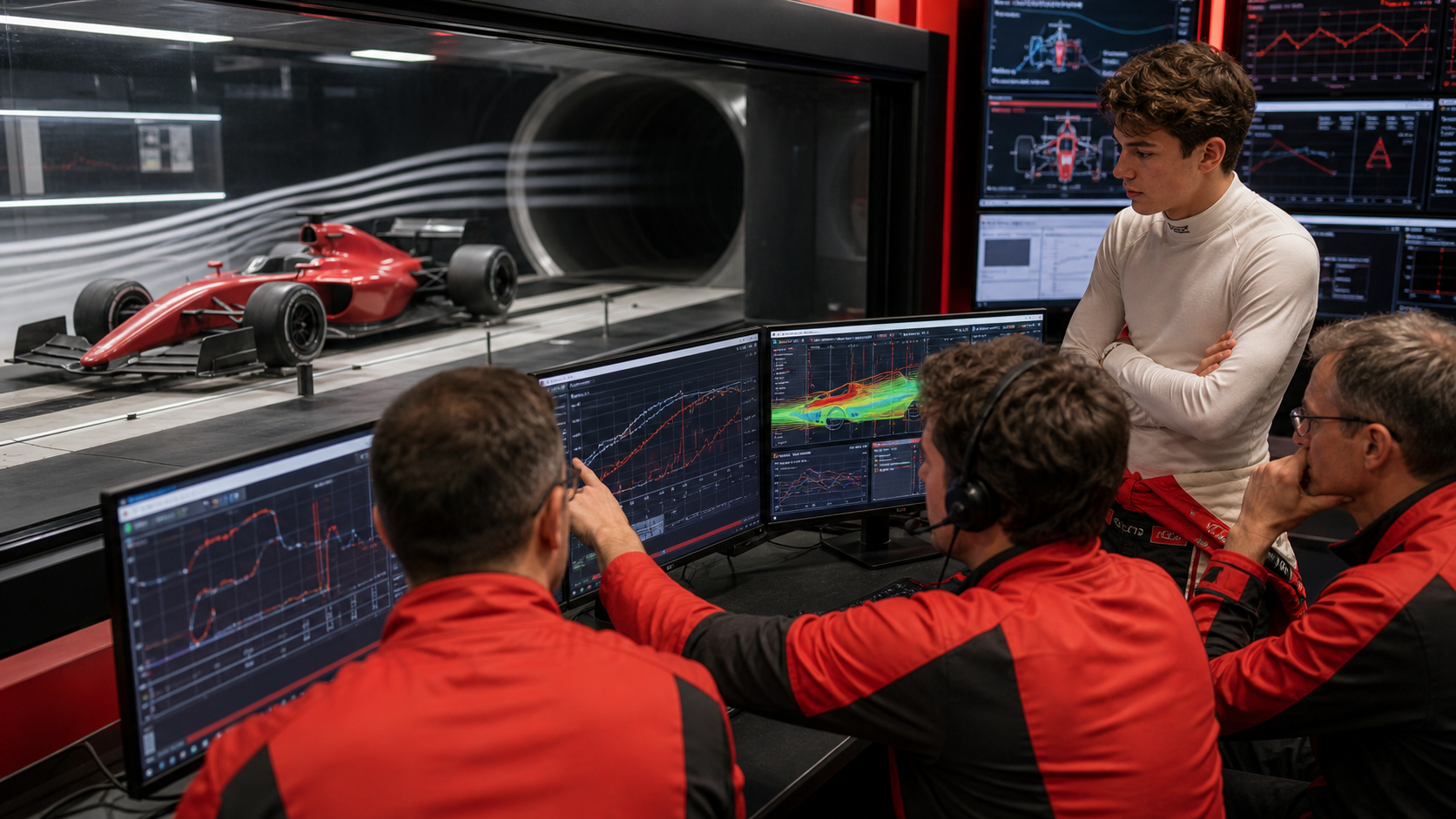
Η προσέγγιση της ομάδας θα πρέπει να είναι απλή: να συλλέγει καθαρά δεδομένα, να αποφεύγει την αναζήτηση παραπλανητικών οδηγιών ρύθμισης και να προστατεύει τα ελαστικά μόλις ξεκινήσει ο αγώνας. Η Βαρκελώνη σπάνια ανταμείβει τον πανικό.
Πώς θα έμοιαζε η επιτυχία
Ένα επιτυχημένο Σαββατοκύριακο για τον Russell δεν σημαίνει απαραίτητα νίκη. Θα μπορούσε να σημαίνει κατατακτήριες κοντά στην πρώτη ομάδα, διεξαγωγή ενός αγώνα χωρίς ασυνήθιστα προβλήματα και μια πιο ξεκάθαρη κατανόηση της θέσης της Mercedes στην Ισπανία. Σε έναν σκληρό αγώνα ανάπτυξης, αυτές οι πληροφορίες μπορούν να είναι τόσο πολύτιμες όσο ένα μόνο αποτέλεσμα.
Το ευρύτερο πλαίσιο έχει επίσης σημασία. Αν η Mercedes καταφέρει να δημιουργήσει ένα σταθερό Σαββατοκύριακο στη Βαρκελώνη, αυτό θα δώσει και στους δύο οδηγούς μια καλύτερη βάση για τους αγώνες που θα ακολουθήσουν. Αν η ομάδα φύγει ξανά με περισσότερα ερωτήματα παρά απαντήσεις, η πίεση γύρω από την κατεύθυνση ανάπτυξής της θα αυξηθεί.
Οι αναγνώστες που παρακολουθούν το ευρύτερο Σαββατοκύριακο μπορούν να το συνδυάσουν με τον οδηγό μας για το Σαββατοκύριακο του GP της Βαρκελώνης , ο οποίος καλύπτει το πρόγραμμα και την ευρύτερη εικόνα των δοκιμών.
Συμπέρασμα
Η ευχή του Russell για ένα ομαλό Σαββατοκύριακο στη Βαρκελώνη δεν είναι αυθαίρετη. Αποτυπώνει αυτό που χρειάζεται περισσότερο η Mercedes: καθαρά στοιχεία. Η ομάδα έχει αρκετό ταλέντο για να ανταγωνιστεί, αλλά πρέπει πρώτα να δώσει στον εαυτό της ένα Σαββατοκύριακο όπου η απόδοση θα μπορεί να μετρηθεί χωρίς διακοπή.
Η Βαρκελώνη δεν θα απαντήσει σε κάθε ερώτηση σχετικά με τη σεζόν, αλλά θα πρέπει να αποκαλύψει εάν η Mercedes έχει μια πλατφόρμα που ο Russell μπορεί να εμπιστευτεί σε μια πλήρη απόσταση Grand Prix.
Χωρίς σχόλια