
Formula One returns from its summer break at Zandvoort from 21 to 23 August. The Dutch Grand Prix will use the Sprint format for its final appearance on the current calendar. Teams receive one practice session before the first competitive session begins on Friday afternoon.
The main race starts at 15:00 local time on Sunday. Sprint qualifying takes place on Friday, while the Sprint and Grand Prix qualifying follow on Saturday. Early weather information shows the greatest chance of rain during Friday’s running.
Friday gives teams only one practice session
First practice begins at 11:30 local time on Friday. The sixty-minute session is the only normal practice period of the weekend. Drivers need to check balance, tyre behaviour and energy use before the car enters parc ferme conditions. Sprint qualifying starts at 15:30. Its short sessions leave little time for a second attempt after traffic or a mistake. Teams therefore need a reliable first lap as well as enough battery energy for the final run.
The narrow circuit can make traffic difficult during preparation laps. Drivers must create space without cooling the tyres too much. Engineers also track cars leaving the pit lane because a slow final corner can damage the start of a timed lap.
Saturday contains two separate competitions
The Sprint starts at 11:00 on Saturday. It gives drivers a shorter race over the same demanding circuit. The result awards points, but it does not set the grid for Sunday’s Grand Prix. Grand Prix qualifying begins at 15:00. Drivers return to the standard three-part format after the Sprint. Any damage from the morning race must be repaired before the afternoon session begins.
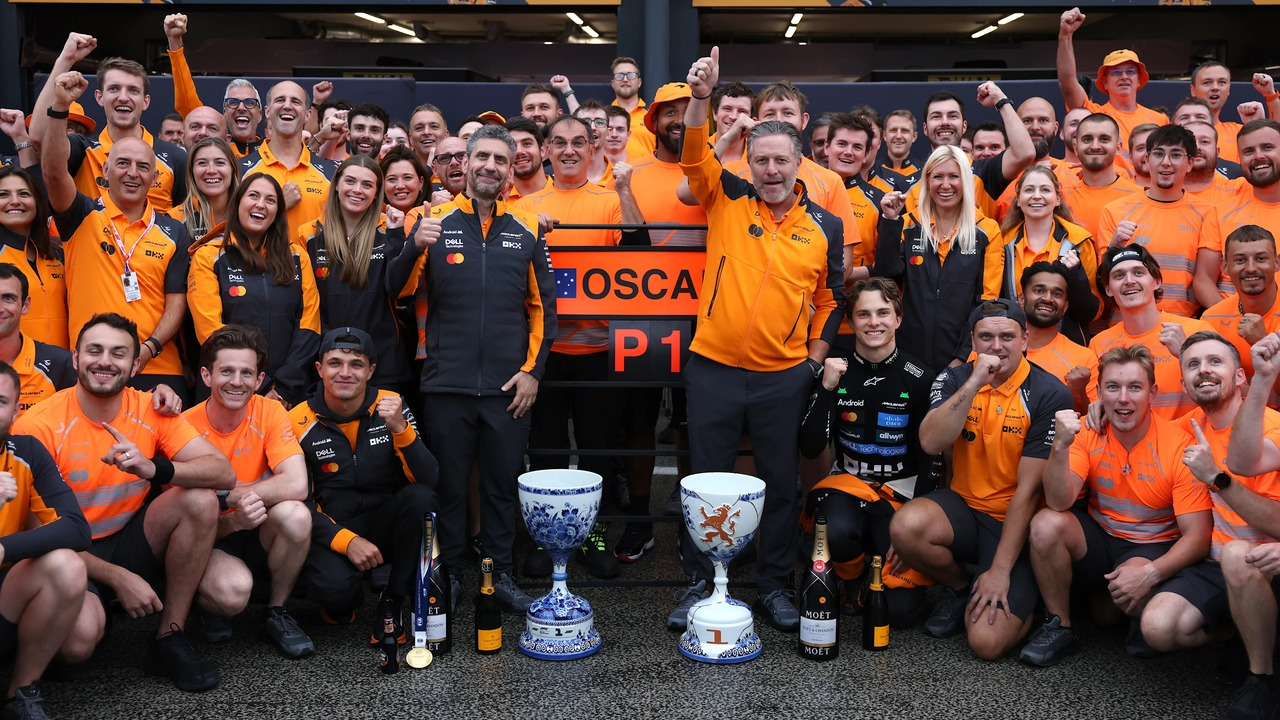
This timetable places pressure on mechanics and engineers. A car that finishes the Sprint with floor or suspension damage cannot wait until Sunday for repairs. The team needs to inspect the problem, fit legal parts and complete every check inside a short working window.
| Day | Session type | Local start time |
|---|---|---|
| Friday | On-track practice | 11:30 |
| Friday | Sprint qualifying | 15:30 |
| Saturday | Sprint | 11:00 |
| Saturday | Grand Prix qualifying | 15:00 |
| Sunday | Grand Prix | 15:00 |
Zandvoort rewards position and precise driving
Zandvoort combines banked corners with short straights and narrow run-off areas. The circuit changes direction often, so a poor exit can affect several following corners. Drivers need confidence in the front axle without making the rear unstable. Overtaking is harder than at circuits with long straights. Qualifying position therefore carries extra value. A car caught in traffic can lose time even when its underlying pace is strong.
The banked final corner allows drivers to carry speed toward the line. However, the following braking zone remains narrow. A successful pass normally requires strong traction, a useful slipstream and a firm decision before turn one.
Friday has the highest early rain probability
The first forecast gives Friday a rain probability near sixty percent. That figure can change before the weekend, but it affects initial planning. Teams prepare wet-weather settings while keeping a dry plan available. Rain during the only practice session would reduce dry running before Sprint qualifying. This would leave engineers more dependent on simulation data.
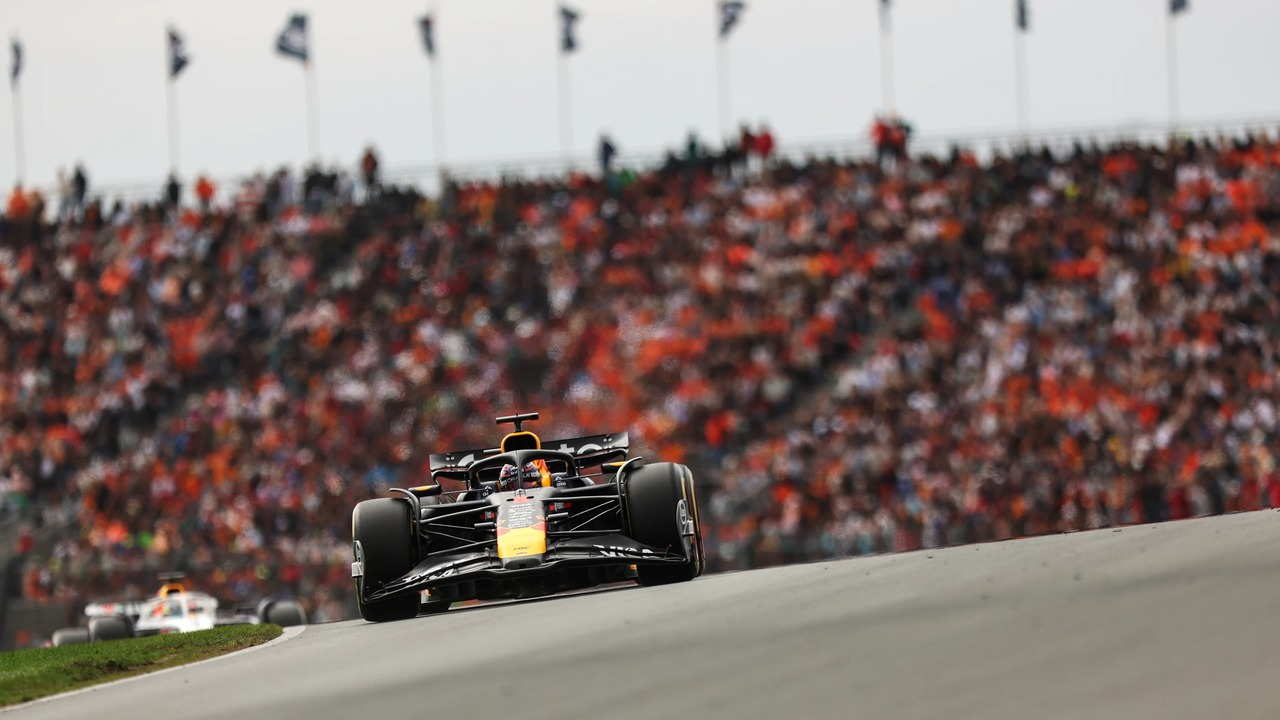
Drivers would have fewer laps for checking tyre temperature and long-run balance.
Conditions are expected to become more stable during Saturday and Sunday. Coastal wind can still change quickly at Zandvoort. A stronger gust affects cars near the dunes and can move the balance during fast direction changes.
Tyre preparation will influence every timed session
The circuit puts repeated lateral load through the tyres. Drivers need enough surface temperature for the first corner, but overheating creates problems later in the lap. The preparation lap must balance those two demands. Sprint weekends limit the amount of long-run data available to each team. A setup that feels sharp on one lap may become difficult across a full stint. Friday practice must include enough work to identify that risk.
Strategy also depends on tyre degradation and track position. An early stop can provide clear air, yet it can also place a driver behind slower traffic. Teams will compare the time lost in traffic with the benefit of fresher tyres.
The final edition adds importance without changing the task
The 2026 event is scheduled as the last Dutch Grand Prix at Zandvoort. That status will bring additional attention throughout the weekend. It does not alter the points or the sporting regulations.
Teams still approach the event through normal preparation. They need a stable car on Friday, clean execution on Saturday and reliable race pace on Sunday. Sentiment cannot recover a poor qualifying result or a slow pit stop.
No Comments