
Austria’s Midfield Showdown: Who Leads the Pack and Who Is Already Fighting for Survival
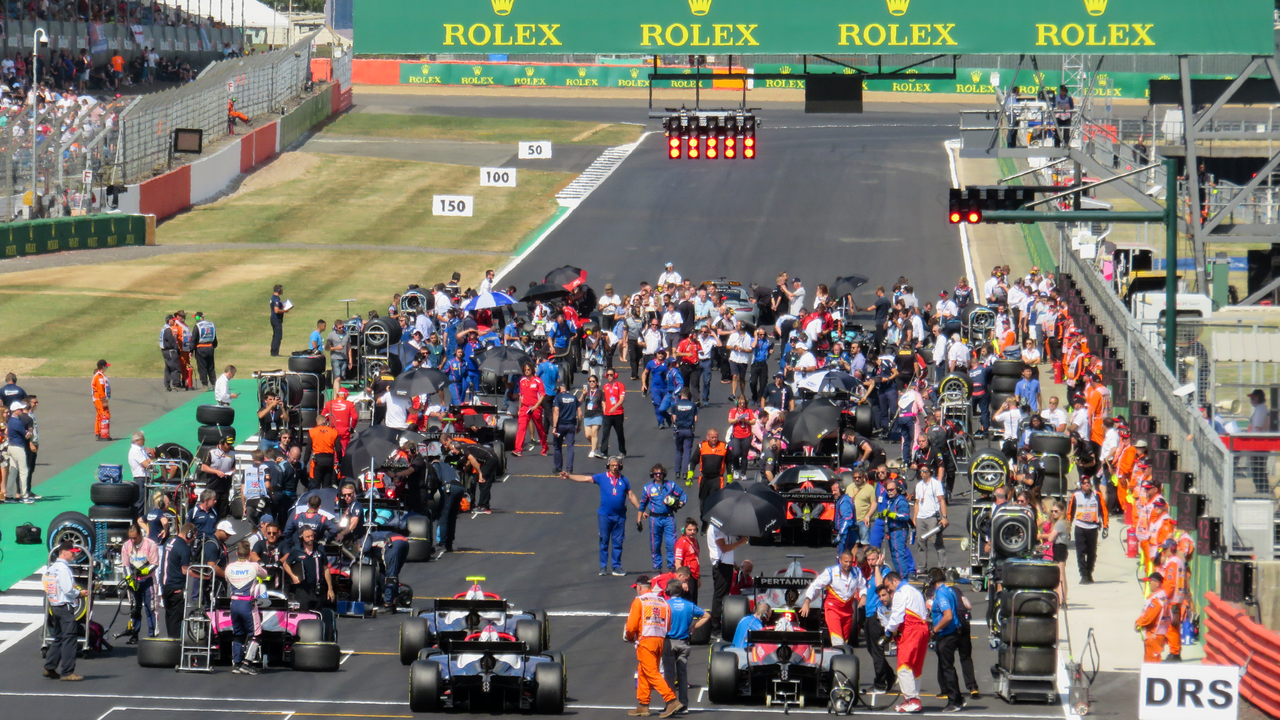
The 2026 Formula 1 season has already produced one of the most compelling midfield battles in recent memory.
New regulations, new power units, two entirely new constructor entries and a grid reshuffled by years of driver movements have combined to create a midfield that is closer, more unpredictable and more consequential than at any point since the turbo-hybrid era began.
With the Austrian Grand Prix at the Red Bull Ring looming on 28 June, the teams fighting for fourth through tenth in the constructors’ standings face a pivotal weekend — one that could reorder the hierarchy in a single afternoon.
What makes this midfield so fascinating is its sheer variety. You have McLaren, a constructor with a rich grand prix heritage and genuine race-winning ambition, sitting just below the title contenders.
You have Audi, a works manufacturer making its Formula 1 debut under the all-new 2026 regulations.
And you have Cadillac, the first American constructor to enter the sport in decades, still finding its feet.
Between them sit Red Bull, Williams, Alpine, Haas and others, each fighting for every tenth of a second and every championship point that the season’s final third will deliver.
McLaren: Bridging the Gap to the Top
If any team in the midfield can legitimately call itself a championship contender this year, it is McLaren.
Lando Norris sits fifth in the drivers’ standings on 73 points, with Oscar Piastri sixth on 68, giving the Woking outfit a combined tally that places them as the strongest non-Mercedes, non-Ferrari constructor on the grid.
Their points-per-race average across a season that has delivered consistent top-five finishes is the envy of every other team below them.
McLaren’s best results in 2026 have come when the aerodynamic package introduced under the new regulations has suited fast, flowing circuits.
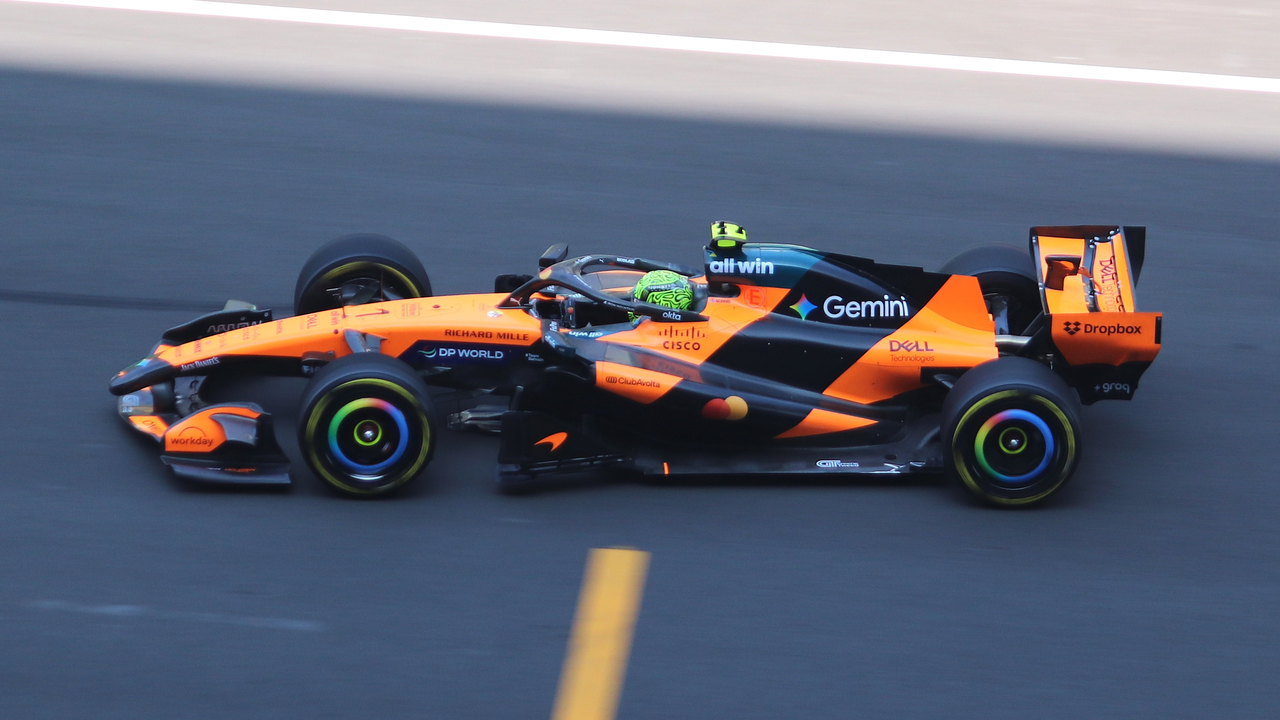
The Red Bull Ring, with its mix of medium- and high-speed corners and a demanding second sector, should suit a car that has shown genuine pace in qualifying trim.
Norris in particular has been one of the standout performers of the new regulatory era, converting strong grid positions into meaningful championship points with a maturity that belies his relatively modest win tally.
The question heading into Spielberg is whether McLaren can close the 42-point gap that separates Norris from Lewis Hamilton in second place, or whether the weekend will be about consolidation rather than genuine title assault.
Either way, a strong Austrian weekend would cement McLaren’s status as the benchmark of the midfield — and perhaps something more.
Red Bull: A Team in Transition
There was a time when Red Bull at the Austrian Grand Prix was essentially a home fixture, a guaranteed front-row lockout at a circuit the energy-drink company owns. Those days feel distant now.
Max Verstappen sits seventh in the drivers’ standings on just 55 points — a stunning reversal of fortune for a driver who spent three seasons as the dominant force in Formula 1.
The departure of Christian Horner after 2025, combined with the disruption of adapting to entirely new power-unit architecture, has left Red Bull scrambling to rediscover competitiveness.
Verstappen’s best-finish data in 2026 still shows flashes of the brilliance that earned him his championships. When the car has suited him, he has fought his way into podium contention, and his racecraft remains among the finest on the grid.
But the constructors’ picture is sobering: Red Bull are no longer a team that can guarantee points hauls from both drivers each weekend, and the Austrian GP will be watched with particular intensity given the emotional significance of the venue for the organisation.
The new power unit philosophy that underpins the 2026 regulations has proved more difficult for Red Bull’s engineering group to master than many anticipated.
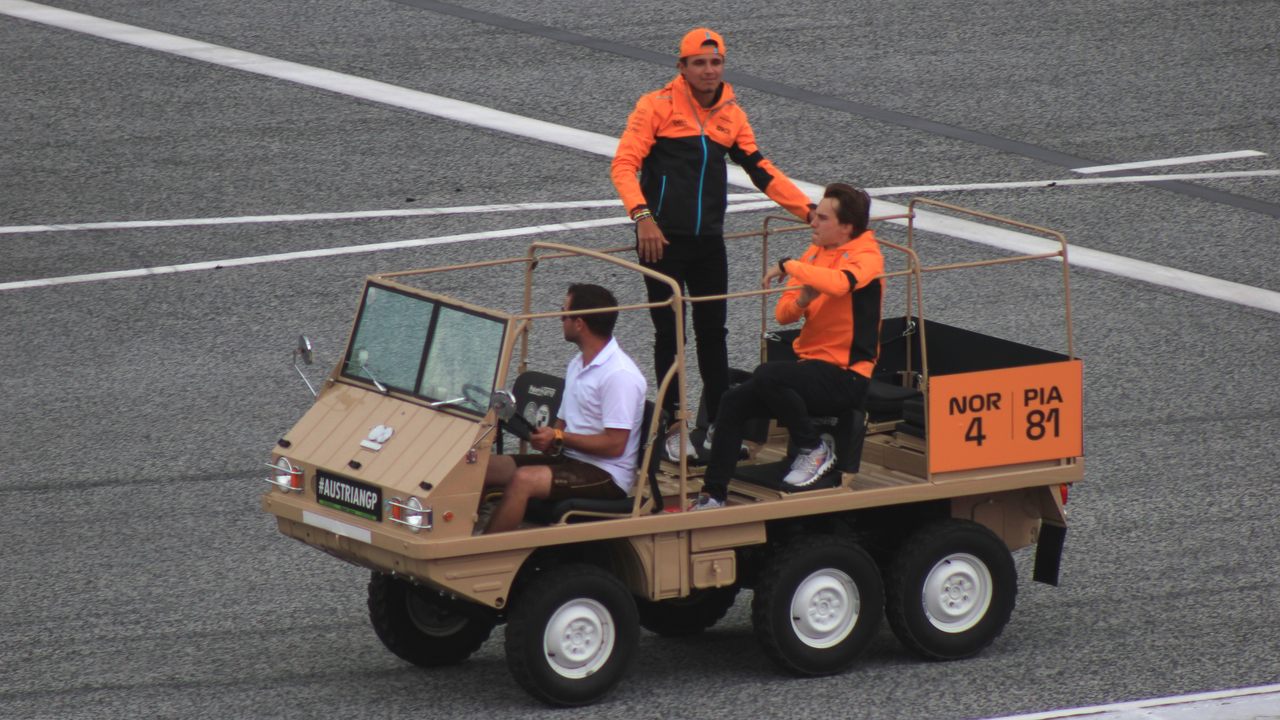
The Red Bull Ring’s unique characteristics — the steep climb through the first two corners, the blast along the back straight — will test power-unit efficiency as much as aerodynamic downforce, which is not necessarily where Red Bull currently hold an advantage.
This weekend could clarify whether the team’s recovery trajectory is as steep as they need it to be.
The Established Midfielders: Williams, Alpine and Haas
Beneath McLaren and Red Bull, the traditional midfield teams are locked in a points battle that will define their seasons and, in some cases, their medium-term futures.
Williams have made quiet but meaningful progress under the new regulations, benefiting from a power-unit supply relationship and a chassis that has shown genuine one-lap pace on several occasions.
Their best finishes have come when strategy has played into their hands, and a clean Austrian weekend could yield a points haul that moves them up the constructors’ table.
Alpine, still rebuilding after years of internal turbulence, have been inconsistent but not without hope.
The French constructor has shown the ability to score points when reliability holds and when the car’s characteristic strengths — a relatively smooth power delivery and capable aerodynamic efficiency — align with the track demands.
Austria could be a reasonable venue for them, though the margin for error is thin.
Haas, meanwhile, have been scrapping effectively at the back of the points, and the American outfit’s new approach under recent management changes has brought a fresh focus on engineering detail that is beginning to show in their results.
The points-per-race arithmetic in this part of the grid is brutally tight. A single reliability failure, a poorly-timed safety car, or a first-corner incident can move a team three or four places up or down the constructors’ standings in a single afternoon.
Every point from Austria matters enormously to every team between fifth and tenth in the championship.
No Comments