
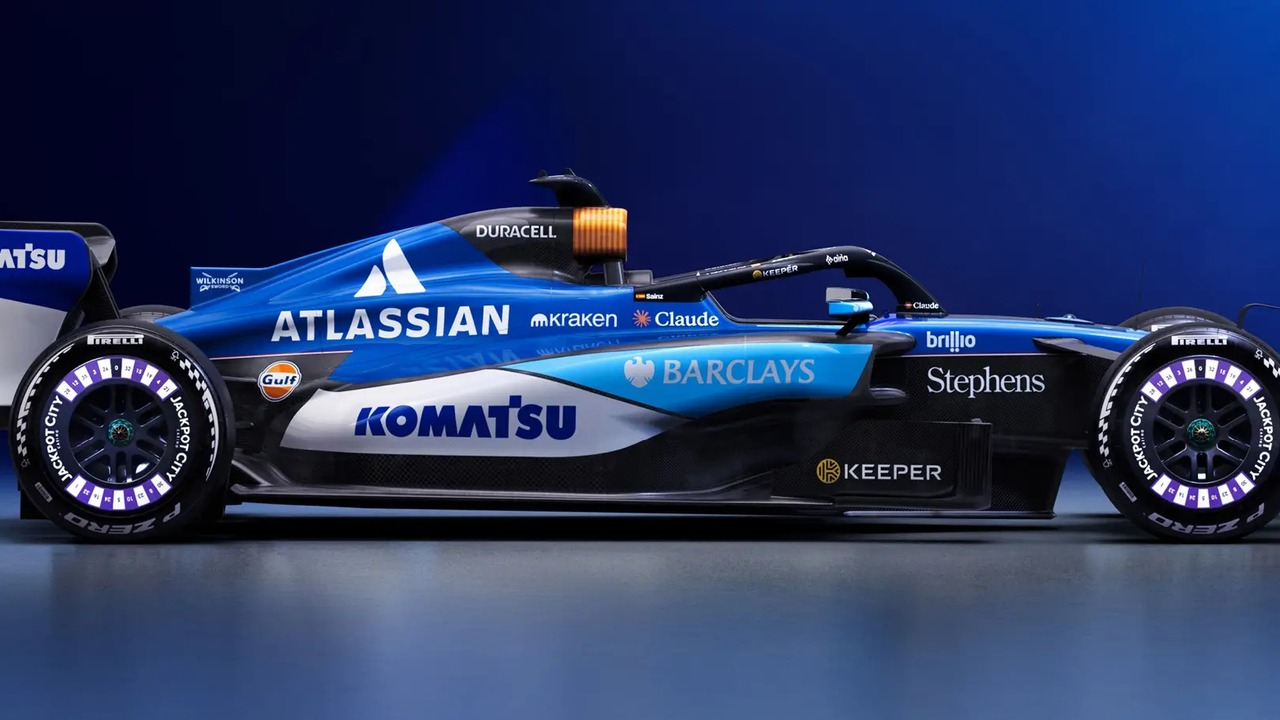
James Vowles has explained why he still believes Williams can recover from a difficult season. The team principal accepts that the FW48 arrived late, carried too much weight and lacked performance.
That start was painful after Williams finished fifth in the 2025 constructors’ standings. Carlos Sainz also delivered a podium during that campaign. The new car did not continue that progress when the rules changed for 2026.
A delayed car created several problems at once
Williams entered the new regulation cycle with an ambitious technical programme. The team wanted to improve its facilities while producing a completely different car. Those projects placed heavy demands on the same organisation. The FW48 reached the track later than planned. Engineers then had less time to understand the car before the opening races. Extra weight also reduced performance in every type of corner. Vowles did not present one simple explanation for the setback. He described several connected problems inside the design and production process. Each problem made the next stage harder to complete on time.
A late component can delay assembly. A delayed assembly can reduce testing time. The team then reaches the circuit with fewer answers about balance, cooling and reliability. Williams could not remove those effects during one race weekend. The first task was to identify where the working process had failed. The second task was to prevent the same delays from returning. Vowles said the difficult results did not change the wider plan. He believes the team now understands more about its limits than it did during the stronger 2025 season.

The 2025 result set a demanding reference
Fifth place in 2025 showed that Williams could score regularly in the midfield. Sainz and Alex Albon gave the engineers clear feedback across different circuits. Sainz’s podium also brought visible proof of progress. It raised expectations before the largest regulation change in several years. The sharp decline in 2026 therefore felt more severe. Vowles separates that result from the deeper rebuilding work. One strong season did not mean that every department had already reached the required level. Modern Formula 1 teams design thousands of parts under strict deadlines. They also need rapid production, accurate simulation and reliable quality control. Weakness in one area can affect the complete car. Williams has invested in those areas since Vowles became team principal. Some improvements are already operating, while others need more time before they affect lap time. The team is also learning how its new equipment changes daily work. Better tools help only when staff have stable methods for using them.
Sainz brought experience from Ferrari, McLaren and Renault when he joined Williams. He understands how leading teams prepare a car and respond to development problems. Albon has worked through several stages of the Williams rebuild. He can compare the FW48 with earlier cars and explain where familiar weaknesses remain. Their feedback gives the technical group two detailed views of the same machine. The drivers can identify whether a problem appears during braking, corner entry or traction. That information does not create an instant upgrade. It helps engineers decide which changes deserve factory time. Clear priorities matter when money and testing are limited. Vowles has continued to support both drivers in public. He has not blamed them for the poor start. His account places responsibility on the team’s preparation and technical delivery. The drivers still need confidence that planned improvements will reach the car. Consistent communication becomes important when results remain below expectations.
Williams is measuring progress beyond one weekend
The remaining races offer opportunities to test parts and improve operating methods. Williams is keeping the next car programme separate from urgent FW48 work. Vowles believes that balance is possible because the main issues are now defined. The team can compare new data with the problems seen during the opening months. Weight reduction remains valuable because it improves the car at every circuit. Better production timing can also provide more preparation before parts reach a Grand Prix.
Williams will judge each update by its measured effect. A part that behaves as predicted is useful even when it does not transform the result immediately. The team principal is not promising a sudden return to the podium. His confidence comes from changes inside the organisation and a clearer view of the failed process. The recovery now depends on reliable parts and cleaner race weekends. Data from several circuits will reveal whether the changes improve the FW48.
The recovery has already produced visible changes
Williams scored with both cars in Miami after a difficult opening run. It was the team’s first double points finish of the season. Vowles said more FW48 updates will arrive after the summer break. Williams has already completed design work that removes weight from the chassis.
Sainz and Albon continue to compare track behaviour with simulator predictions. Their feedback helps the factory check whether each new part works as expected. Williams remains eighth in the constructors’ standings. The next races will show whether the lighter car can return to the midfield points.


No Comments