
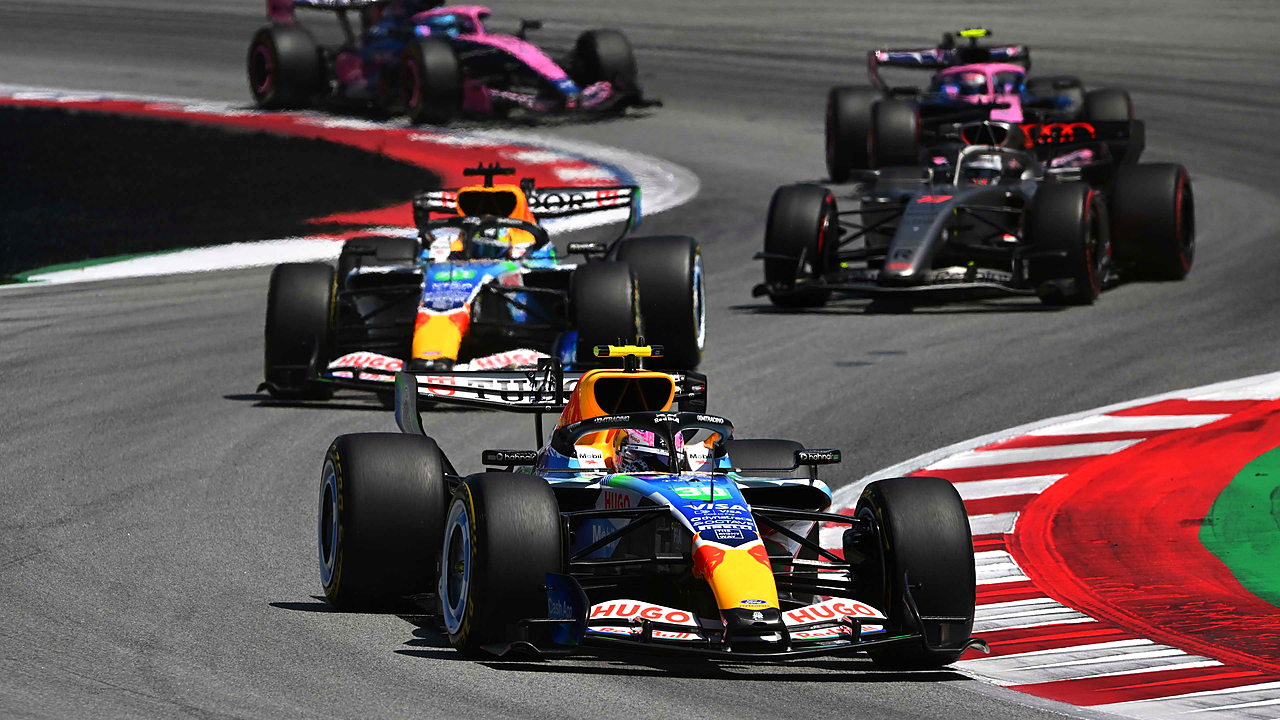
Toto Wolff’s reaction to Kimi Antonelli’s Barcelona retirement was blunt because Mercedes lost more than points. It lost the chance to leave Spain with a clean performance story.
The phrase not good enough matters because it moves the issue from bad luck into accountability. Mercedes had pace, but pace without a finish cannot protect a race weekend.
Why Wolff was blunt
Antonelli’s late retirement removed a podium-level result from Mercedes’ Barcelona account. That is why Wolff’s wording should be treated as a real warning.
Wolff’s criticism shows that the team does not want to hide reliability behind the positive parts of its pace. Mercedes’ first task is identifying the root cause before practice begins again.
Barcelona was a strong enough weekend that the failure feels more damaging, not less. The front group is too close for Mercedes to donate results through failures.
The cost of the retirement
The problem also affects Antonelli’s momentum because young drivers need finishes to turn speed into standings pressure. The second is protecting Antonelli’s confidence after a result slipped away.
Mercedes now has to prove that the issue is isolated and understood. Antonelli’s lost finish also gives Ferrari and McLaren a cleaner emotional gain.

| Area | Detail |
|---|---|
| Team principal | Toto Wolff |
| Issue | Antonelli’s late retirement |
| Damage | Mercedes lost a clean race-day result |
| Next check | Reliability response before the next front-running chance |
Key details
The reliability question sits beside Russell’s result, creating a mixed team picture. Russell’s side of the garage gives the team a important comparison point.
The next round will test whether Mercedes can keep the same speed while removing the weakness. The team must solve the issue before the next promising weekend arrives.
Mercedes’ next repair job
If it cannot, the team remains fast enough to worry rivals but fragile enough to punish itself. Reliability will decide whether Mercedes can trust aggressive strategy calls.
A fast car with a weak finish record becomes difficult to race strategically. Mercedes has enough pace to take risks, but reliability has to give those risks a chance to pay off.
The wider site picture continues through our Verstappen Says Red Bull Must Work Harder After a Lonely Barcelona Race and Norris Says Ferrari Would Dominate With More Engine Power After Barcelona coverage, where the next consequence of the day is easier to compare.
Bottom line
Team principal: Toto Wolff gives the story its hard starting point.
Issue: Antonelli’s late retirement changes the way the next phase should be read.
Damage: Mercedes lost a clean race-day result keeps the pressure attached to a named detail rather than a loose mood.
Next check: Reliability response before the next front-running chance is the clean follow-up because it can confirm whether the first signal was durable.
That matters most when the race-week moves away from the original setting and the same strengths have to appear again.
The answer will show whether the garage picture has really changed or only looked sharper for one day.
Wolff’s reliability warning now has a clear test: the next response has to match the first signal closely enough to make the story travel.
Wolff’s message was simple because the problem is simple: Mercedes cannot call Barcelona a success while one of its fastest cars fails to finish.
No Comments