
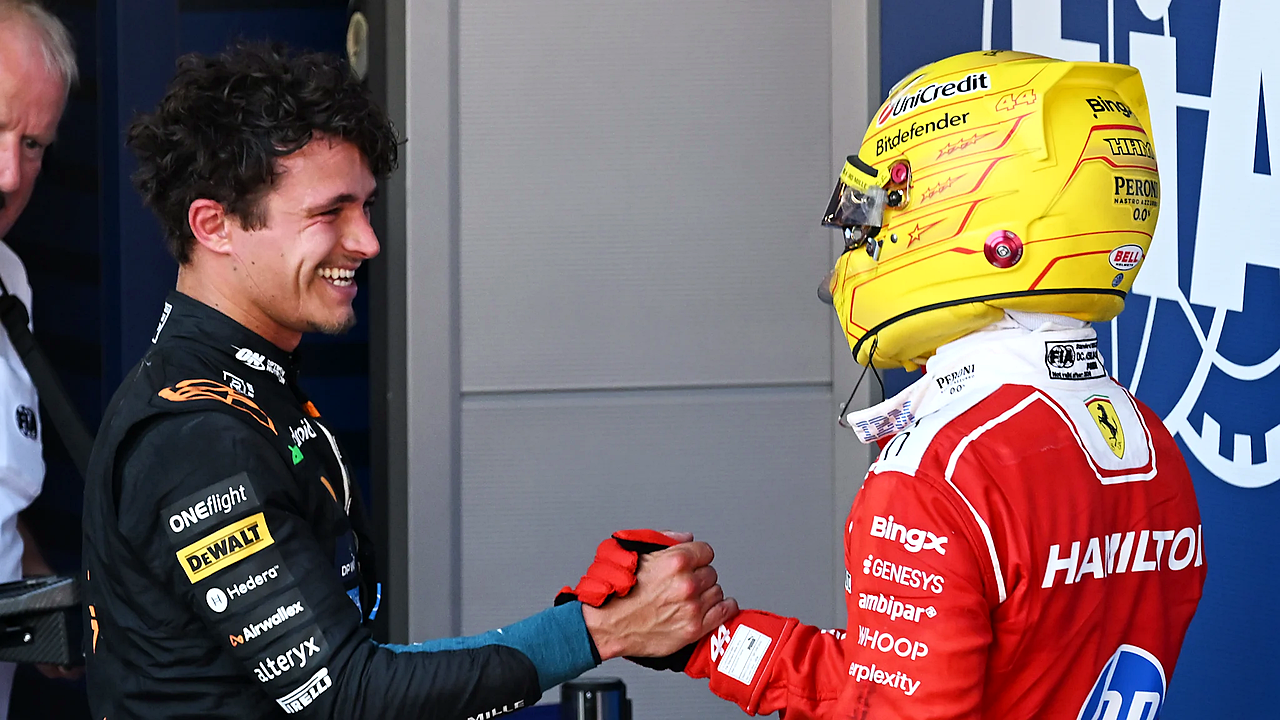
Lando Norris turned Ferrari’s Barcelona victory into a sharper competitive argument by suggesting the Scuderia already has one of the best-handling cars on the grid.
The comment matters because it separates Ferrari’s chassis confidence from its remaining power-unit ceiling. After Hamilton’s win, that distinction is no longer theoretical.
What Norris’ claim changes
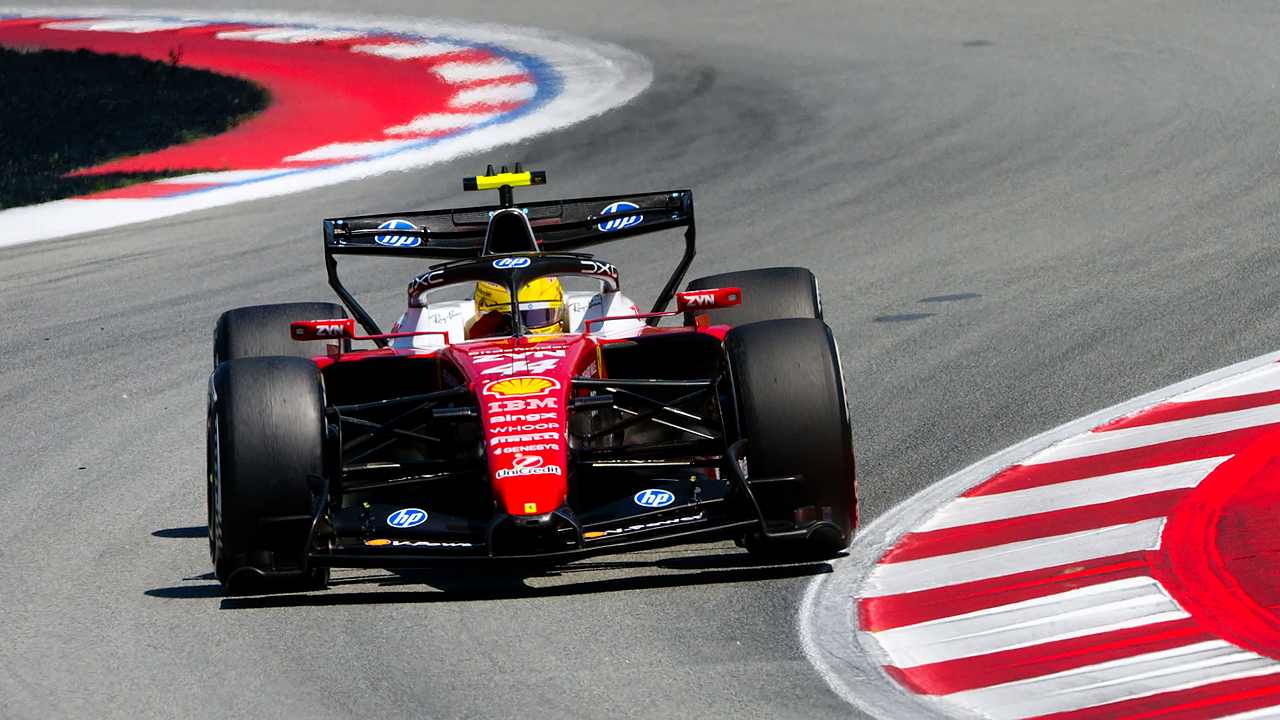
Norris’ view gives Ferrari credit for handling rather than treating Hamilton’s win as a strategy-only result. A driver rarely gives a rival that kind of clear technical compliment without feeling the evidence on track.
Barcelona is a severe circuit for balance, so praise for Ferrari’s chassis carries more weight than it would at a stop-start venue. The first watch point is Ferrari’s straight-line efficiency when the calendar moves away from Barcelona.
The engine caveat keeps the claim measured because it leaves a clear area where Ferrari may still lose ground. That makes the claim valuable for readers trying to understand why Ferrari suddenly looks more threatening.
Why Ferrari’s balance matters
McLaren has to listen to that assessment because its own race-day strength is judged against Ferrari and Mercedes at once. McLaren’s response will be measured through stint pace rather than one isolated qualifying lap.
The comment also frames Ferrari as a team with a high ceiling if the weaker part of the package improves. It also increases pressure on McLaren to prove its own package is more complete across different circuits.
| Area | Detail |
|---|---|
| Norris’ point | Ferrari’s handling looks strong enough to scare rivals |
| Remaining caveat | Engine performance still limits the total package |
| Barcelona signal | Hamilton converted the balance into a win |
| Next check | Austria will expose whether the power caveat grows |
Key details
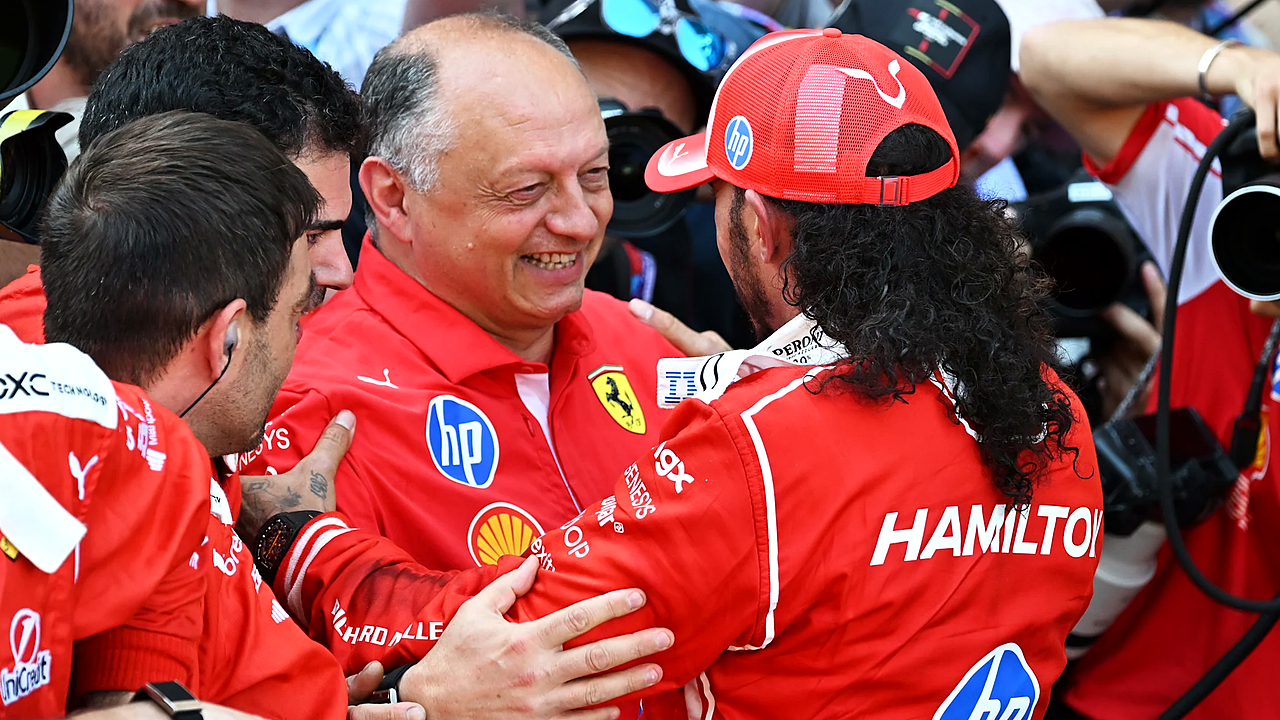
Hamilton’s win gave the claim a result to stand on, which makes it harder to dismiss as post-race talk. Mercedes remains part of the same calculation because its reliability problem changed the race picture.
The next technical comparison will be whether Ferrari’s cornering stability travels to Austria’s braking and traction demands. The balance between chassis and power will define whether Barcelona was a peak or a platform.
The next benchmark
If Ferrari keeps winning through balance, Norris’ remark will look like an early reading of the season’s real shape. Austria should make the engine side of the debate more visible.
The clean angle is the split between handling and horsepower. Ferrari can look excellent through long corners and still have work to do on the parts of the lap that reward deployment and efficiency.
Readers following the wider thread can move from here to our F1 Nation Review Frames Barcelona as Hamilton’s Win and Antonelli’s Pain and Hamilton’s Barcelona Win Came From Three Ferrari Components Working Together coverage, with each update adding a separate piece of competitive context.
Bottom line
Norris’ point: Ferrari’s handling looks strong enough to scare rivals gives the story its hard starting point.
Remaining caveat: Engine performance still limits the total package changes the way the next phase should be read.
Barcelona signal: Hamilton converted the balance into a win keeps the pressure attached to a named detail rather than a loose mood.
Next check: Austria will expose whether the power caveat grows is the clean follow-up because it can confirm whether the first signal was durable.
That matters most when the race-week moves away from the original setting and the same strengths have to appear again.
The answer will show whether the garage picture has really changed or only looked sharper for one day.
Norris’ Ferrari engine claim now has a clear test: the next response has to match the first signal closely enough to make the story travel.
Norris did not only praise Ferrari. He pointed to the exact area that could turn Hamilton’s Barcelona win from a breakthrough into a warning for the rest of the grid.
No Comments