
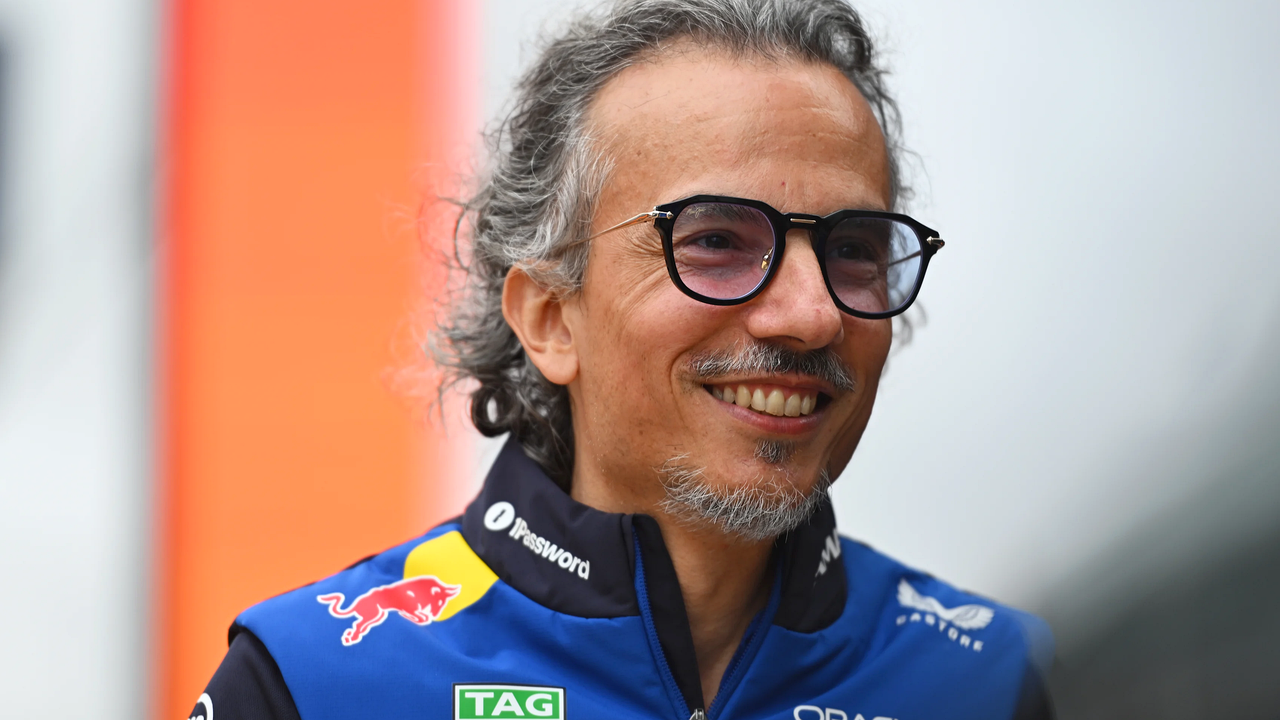
Red Bull sit in familiar championship territory, but Laurent Mekies’ first year in charge is being judged by more than the table. The deeper question is whether the team now works in a healthier way.
Fourth place hides different stories
Formula 1 positions can be blunt. Red Bull being fourth in the Teams’ Championship sounds like a plateau, yet the route to that position is not the same as last year. The team have changed leadership habits, technical priorities and the way pressure is absorbed after difficult weekends.
That is why Mekies’ first year cannot be read only through points. A team can be stuck in the same place on paper while becoming easier to improve. Red Bull’s question is whether the internal process is now strong enough to make the next step less dramatic.
The Verstappen factor is still central
Any Red Bull reset starts with Max Verstappen because his standards expose the car quickly. If the balance is wrong, he says so. If the upgrade does not give confidence, the lap time shows it. Mekies has to turn that honesty into progress without letting frustration fill the room.
The challenge is delicate. Verstappen needs a team that listens, but not a team that reacts wildly every time the weekend turns. The strongest version of Red Bull is sharp and calm at once. That is the culture Mekies is trying to protect.
| Mekies note | Main note |
|---|---|
| Surface view | Red Bull remain fourth, which can make the year look static. |
| Deeper view | Mekies is being judged on process, communication and the car’s development path. |
| Main need | The team must convert calmer work into a wider performance window. |
Also read: Antonelli’s Italian milestone now brings a different kind of pressure. More news: Ferrari’s Madring laps turn Madrid from map to real F1 venue.
A quieter operation can still be ambitious
Mekies has brought a different public tone. It is less about force and more about control. That does not make Red Bull less competitive. It may make the work cleaner, especially when the car is not the reference point and the team has to choose between several imperfect fixes.
In modern F1, ambition is not always loud. Sometimes it appears in better meetings, clearer upgrade targets and race plans that do not need a miracle from the driver. Red Bull have spent enough seasons winning to know the difference between urgency and noise.
The car still has to answer
No management style survives if the car refuses to improve. Mekies can improve communication and structure, but aerodynamic grip, tyre life and low-speed confidence still decide Sundays. Red Bull’s recovery depends on whether the technical group can turn calmer work into visible pace.
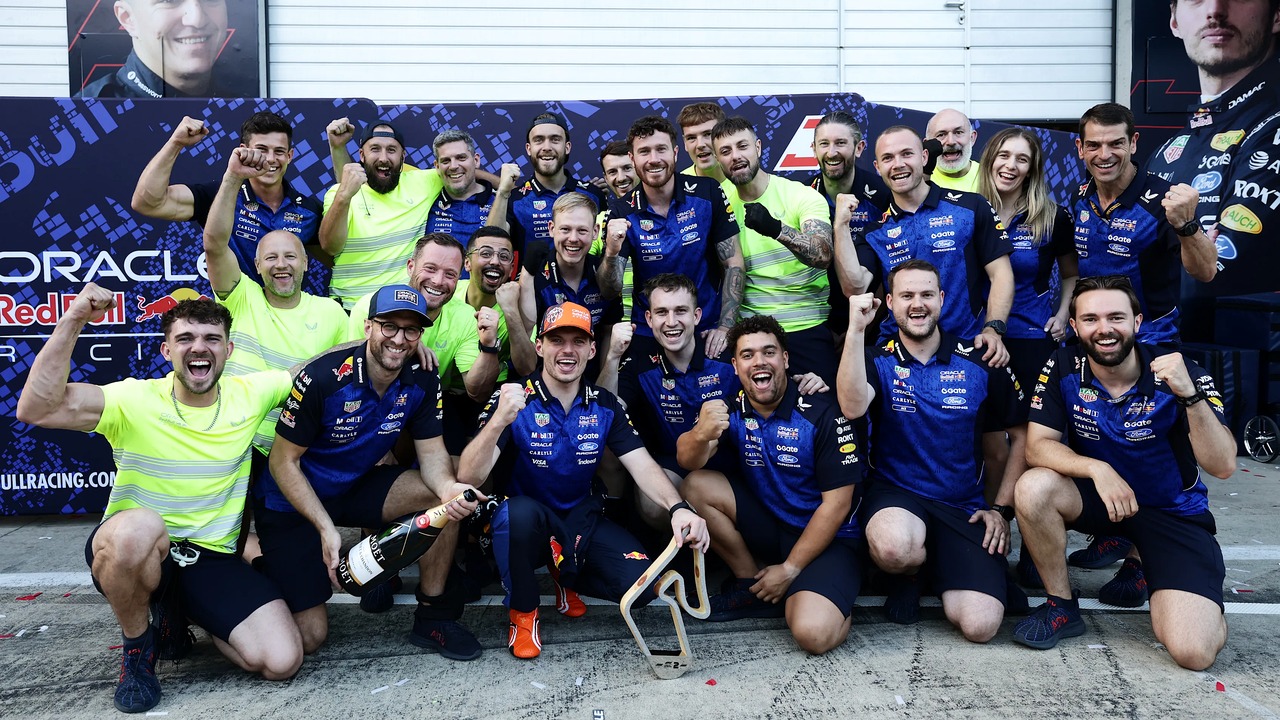
The encouraging sign is that the team still produce weekends where the car looks dangerous. The worrying sign is that the window remains narrow. A car that needs perfect conditions leaves too much of the season in the hands of weather, traffic and track layout.
Pressure from behind changes the rebuild
Red Bull are not rebuilding in an empty field. Mercedes, Ferrari and McLaren all have reasons to believe they can take points away. That means Mekies cannot spend a year quietly reorganising while rivals wait. Every experiment must still protect race results.
That is a hard balance for a new team principal. Long-term process is essential, but the driver and sponsors live in the short term. Mekies’ first year is therefore a test of timing as much as leadership.
The next proof is consistency
If Red Bull become easier to predict from Friday to Sunday, the Mekies story will look stronger. If the same balance complaints return every second weekend, the table will feel less forgiving. Progress has to become visible in routine race weekends, not only in good recovery drives.
The standings say Red Bull are still chasing. The garage picture may say something more interesting: the team are trying to become less dependent on crisis management. That is a quieter change, but it could decide how quickly they return to the front.
The internal signs matter first
Red Bull’s outside result will always receive the loudest attention, but the first signs of a Mekies effect may be internal. Shorter reaction time after a bad Friday, clearer upgrade choices and fewer mixed messages would all suggest a healthier process.
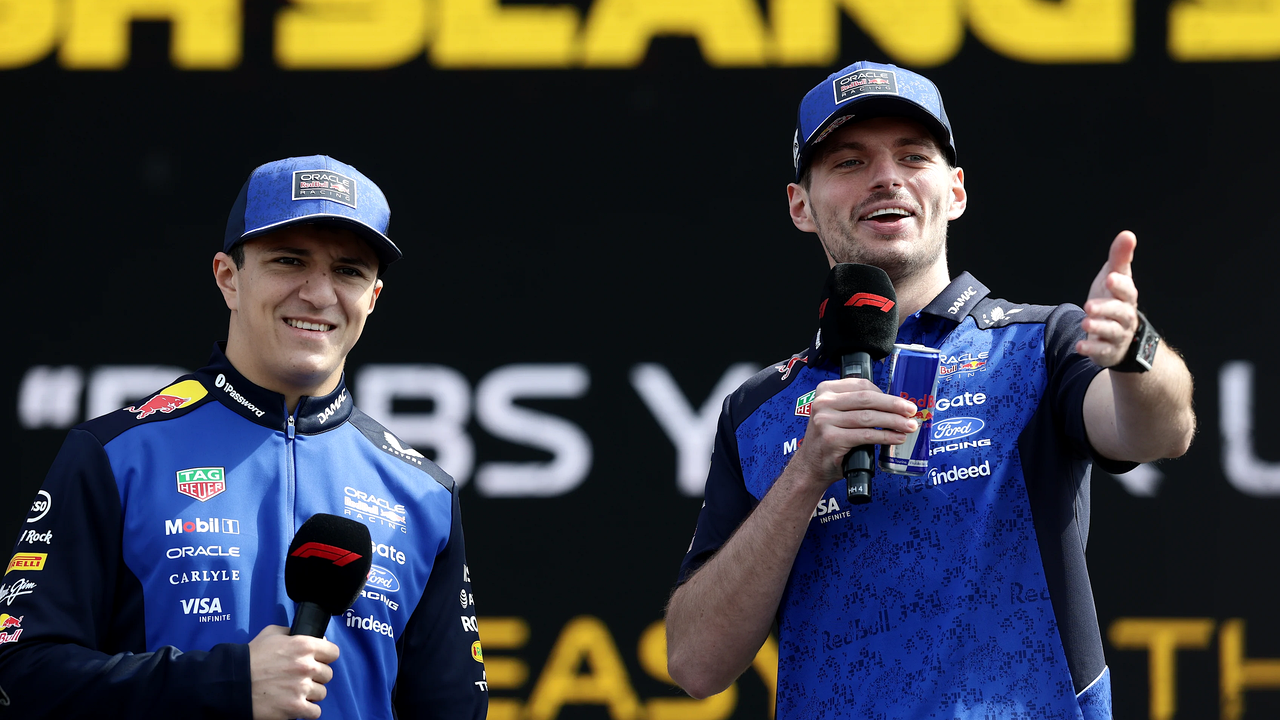
That matters because Red Bull are not trying to learn how to win from nothing. They are trying to remember how to win in a field that has moved closer. A team in that position needs precision more than drama.
Verstappen can help if his criticism stays specific. A sharp driver comment about entry stability or traction is useful. A general feeling that the car is wrong is harder to convert into parts. Mekies has to keep the feedback practical.
The second car remains part of the reading too. If both sides of the garage can reach similar conclusions, development becomes less dependent on one driver rescuing the picture. That is how a team starts to widen a narrow performance window.
The table will only confirm the change later. For now, the question is whether Red Bull’s difficult weekends look less confused. If they do, Mekies will have changed something real before the points fully show it.
No Comments