
Ferrari’s filming run around the new Madring circuit gave Formula 1 a first real look at the Madrid project. The laps were not about lap time, but they changed how the venue is judged.
A circuit becomes believable when a car moves
Until an F1 car runs on a new venue, every layout is partly an idea. The Ferrari filming day did not prove how the race will unfold, yet it gave the paddock something more useful than drawings. It showed how scale, barriers and sight lines look with a real car inside the space.
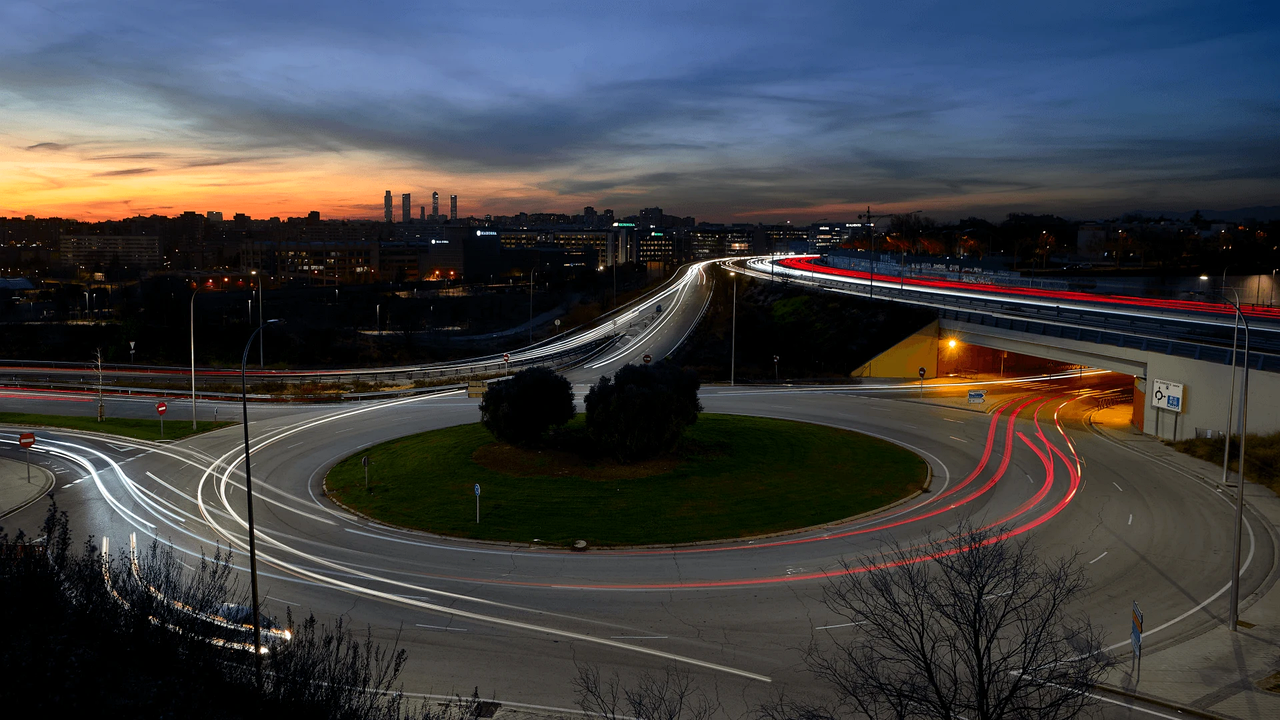
That matters for Madrid because the project carries heavy expectations. A new city race has to convince fans that it is not only a calendar logo. Seeing Ferrari complete the first laps helps turn the discussion toward braking zones, camera angles and how the circuit may feel at speed.
Leclerc’s presence adds weight
Charles Leclerc running the car gave the day a proper sporting face. It was still a controlled filming session, with limited mileage and no competitive timing, but a current Ferrari driver makes the test feel closer to the championship world that will arrive later.
For Ferrari, this kind of appearance is also useful. The team stay visible between races, the driver samples a future venue, and the sport gains images that explain the project better than a press release could. None of that decides performance, but it shapes attention.
| Ferrari note | Main note |
|---|---|
| What happened | Ferrari completed the first F1 laps of the new Madring circuit during a filming session. |
| What it proves | The venue now has real visual reference points for fans, teams and organisers. |
| What remains | Race operations and overtaking quality still need a full Grand Prix weekend to be judged. |
Also read: Mekies is changing Red Bull in ways the standings cannot show. More news: Colapinto’s Alpine future is now a question of proof.
The practical questions remain
A few laps cannot answer the big operational questions. Race control, fan movement, pit entry, track evolution and local traffic will only be understood through more complete rehearsals. The filming day is a start, not a final inspection.
Still, early running can reveal small problems before they become public headaches. Kerb placement, reference points and the way a car sits beside the barriers are easier to judge when the circuit has sound, speed and tyre marks. That is why the day had value beyond promotion.
Madrid wants its own identity
New venues are often compared too quickly with older street races. Madrid will need to avoid becoming a copy in public imagination. The first Ferrari images help because they show a specific environment rather than another generic city backdrop.
The venue’s challenge is to feel modern without losing racing clarity. Fans will forgive a new circuit needing time. They will not forgive a layout where overtaking looks impossible before the first event has even settled. The next tests must keep that balance in mind.
Teams will study more than spectacle
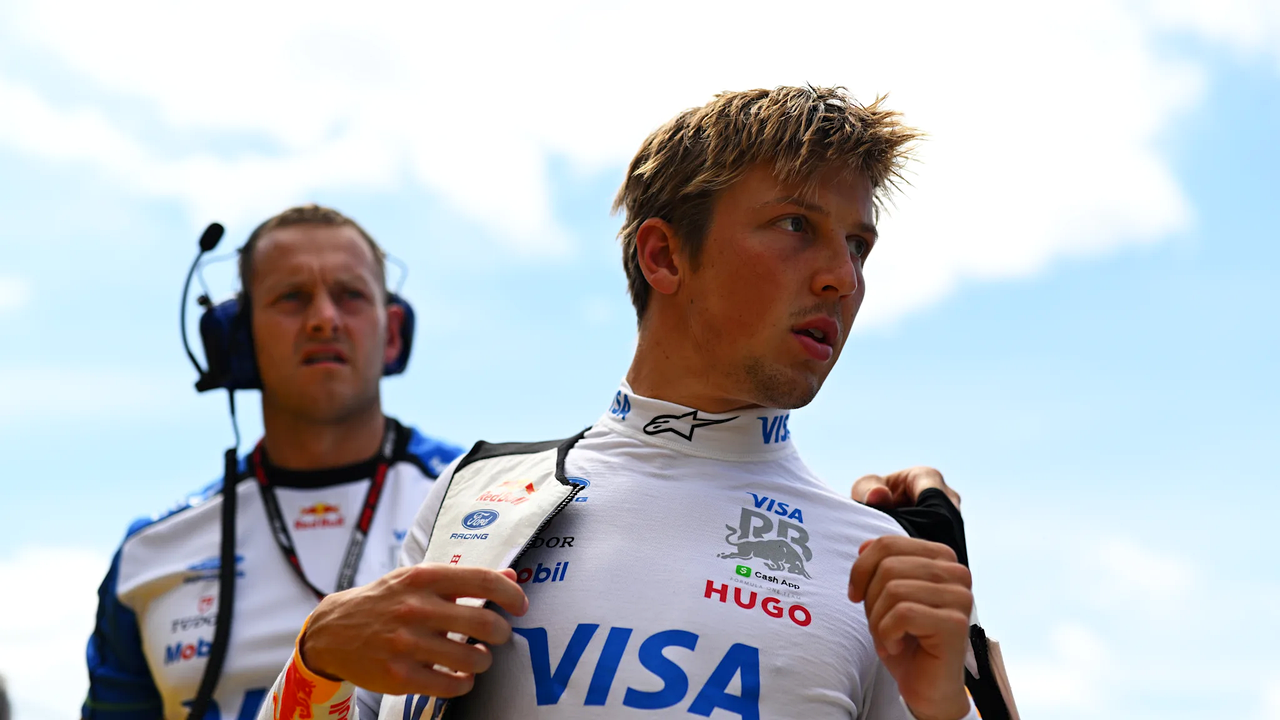
Teams watching the footage will not only look at the colour of the walls. They will study corner approach, track width and how quickly the driver has to move from one phase of the lap to the next. Early impressions can influence simulator work long before race week.
Ferrari’s run therefore becomes a small data point for everyone. The car was not being pushed to qualifying speed, but the visual information still helps engineers imagine cooling demand, tyre stress and the rhythm that drivers may face.
The first impression is positive but unfinished
The best thing Madring achieved with these laps is simple: it looked real. That is an important step for any new F1 venue. The next step is harder, because a race weekend exposes every weak detail and gives teams no time for theatre.
For now, Madrid has moved from promise to motion. Ferrari supplied the first moving reference, and the championship can start discussing the circuit as a place where cars will actually fight rather than as a project waiting on a screen.
What teams will want to learn next
The next layer for Madring is race quality. A filming day can show surface, walls and basic rhythm, but teams will want to know where a following car can stay close and where the tyres start to suffer. That answer needs faster running.
Drivers will also care about reference points. New venues can look clean on paper and still feel awkward when braking boards, walls and corner exits arrive at unusual angles. The earlier those details are understood, the better the first race weekend becomes.
Madrid’s organisers should treat the Ferrari run as feedback, not only promotion. If drivers or engineers notice a visibility issue, a kerb shape or a pit-entry concern, the useful response is to fix it before the paddock arrives under full pressure.
The circuit also needs to look clear on television. Viewers remember new tracks when certain corners feel distinct quickly. Good camera positions and clear overtaking zones can help the venue feel readable before fans have learned every name on the layout.
The first laps gave the project life. The next work must give it trust. A modern F1 venue succeeds when the show looks fresh but the racing rules still feel familiar to drivers, teams and viewers.
No Comments