
The Hungarian Grand Prix opened Formula 1’s summer break after a demanding first half. Racing resumes at Zandvoort from August 21 to August 23. Teams and drivers now have a rare pause from the normal travel schedule.
The official shutdown includes a mandatory two-week factory closure for every team. Wind tunnels, simulators and development departments stop their regular work. Drivers follow different rules, but most begin with several quiet recovery days.
Factory work stops during the mandatory closure
The shutdown protects staff after months of design, preparation and race travel. Teams cannot continue normal wind-tunnel testing during the closure. Engineers also pause simulator sessions and work on new car parts.
Formula 1 personnel often spend long periods away from home. Race weekends include travel, media duties and late technical meetings. The closure gives those employees a fixed period without normal factory demands.
Drivers are not factory employees in the same daily pattern. Drivers choose their location and recovery routine. However, official team testing remains restricted during the shutdown window.
Pirelli tyre work sometimes occurs around the start of the wider break. Franco Colapinto, Gabriel Bortoleto and Jak Crawford completed tyre running before the full pause. Those programmes are controlled tests rather than normal car development.
George Russell welcomed the pause after an uneven opening half. He said many events had happened during the season and called the break necessary. Hungary ended with another demanding recovery drive for the Mercedes racer.
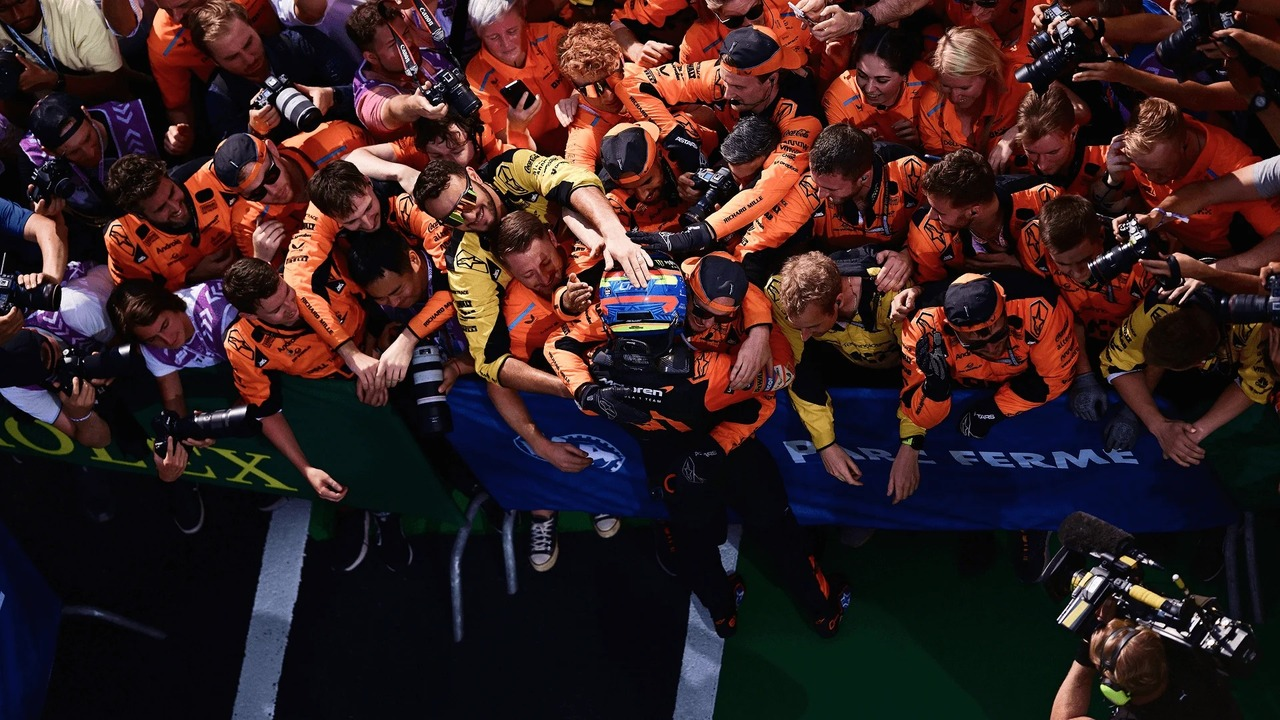
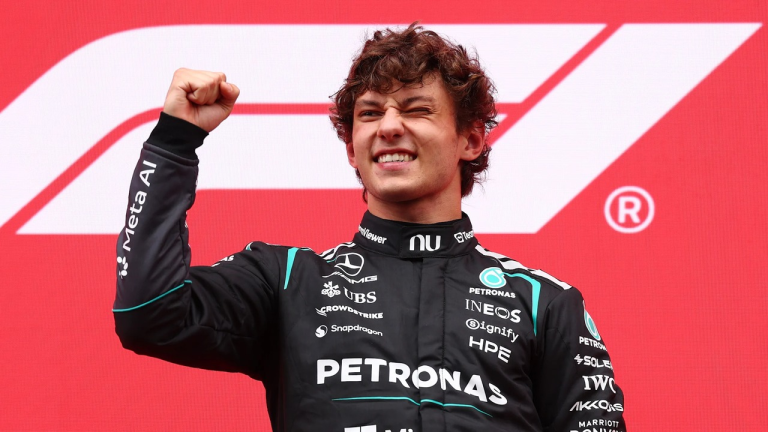
Championship leader Kimi Antonelli expected a shorter period of complete rest. He predicted boredom after four or five days away from racing. His planned destination includes a kart circuit for additional driving.
Their comments reflect different positions inside the same team. Antonelli reached the break with strong momentum and six victories. Russell wants distance from a sequence that included several difficult weekends.
Both drivers still benefit from reduced travel and media work. Sleep, family time and a quieter schedule support physical recovery. The competitive focus returns gradually before the Dutch Grand Prix.
Time away from racing protects mental energy
Some drivers step away from social media and Formula 1 news completely. Sea trips and remote locations offer privacy after months of public attention. The aim is simple rest rather than another performance programme.
Lewis Hamilton has often used nature, hiking, surfing and meditation during previous breaks. Those activities change the daily environment without adding heavy physical strain. They also create time away from constant race analysis.
Family visits matter because the calendar separates drivers from home for many weeks. Jet lag often continues between events on different continents. A stable sleep pattern becomes valuable before training intensity increases again.
Hobbies provide another mental reset. Charles Leclerc plays piano, while Liam Lawson plays guitar. Gaming, cycling and other interests give the drivers a separate focus during the quiet period.
Complete inactivity would make the return to racing harder. Many drivers therefore use swimming, easy cycling, stretching and yoga. These sessions maintain movement without copying the load of a race weekend.
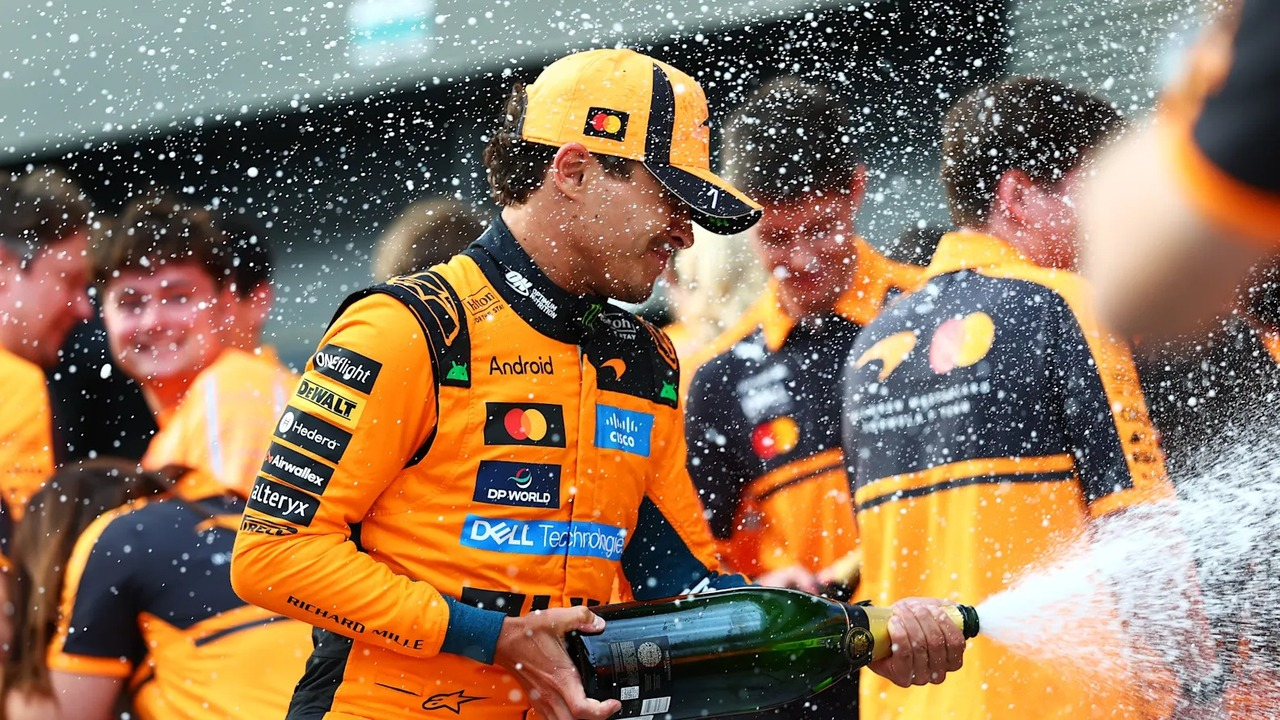
Neck and core strength remain important inside a Formula 1 cockpit. Training plans preserve those areas while reducing overall intensity. Coaches also avoid activities with a high chance of injury.
Carlos Sainz expects to play golf and padel during the break. He also plans activities with his nephews. Padel keeps reflexes active while providing a social form of exercise.
Alex Albon has used hiking during previous breaks, while Russell enjoys diving. Such activities differ from gym sessions but still support general fitness. The important change is reduced pressure rather than no movement.
Karting offers a familiar route back to competition
Several drivers return to karting before Formula 1 activity resumes. Oliver Bearman, Bortoleto and Antonelli all used karts during the previous summer. The smaller machines provide direct driving without a Formula 1 test programme.
Karting also reconnects drivers with the discipline where most careers began. The speeds and forces are lower than Formula 1. Close racing still sharpens reactions and competitive concentration.
The final days of the break usually bring structured preparation again. Drivers restore training volume and review the demands of Zandvoort. The Dutch circuit begins a Sprint weekend with limited practice time.
Formula 1’s pause therefore contains several distinct stages. Rest comes first, followed by light movement and a gradual return. The shutdown closes factories, while drivers rebuild energy in their own ways.
No Comments