
Isack Hadjar has turned a difficult Red Bull seat into a clearer learning job. His recent weekends show pace, but the next step is to turn that pace into calm points beside Max Verstappen.
The progress is real, but it needs scale
Hadjar’s strong Silverstone qualifying and his earlier Austria race gave Red Bull more than a pleasant surprise. They gave the team a useful measure of how quickly he is adapting to a car that can reward confidence and punish hesitation in the same lap. A young driver in that garage does not need to match Verstappen every session to show value. He needs to make the gap understandable and keep the weekend under control when the car is not simple.
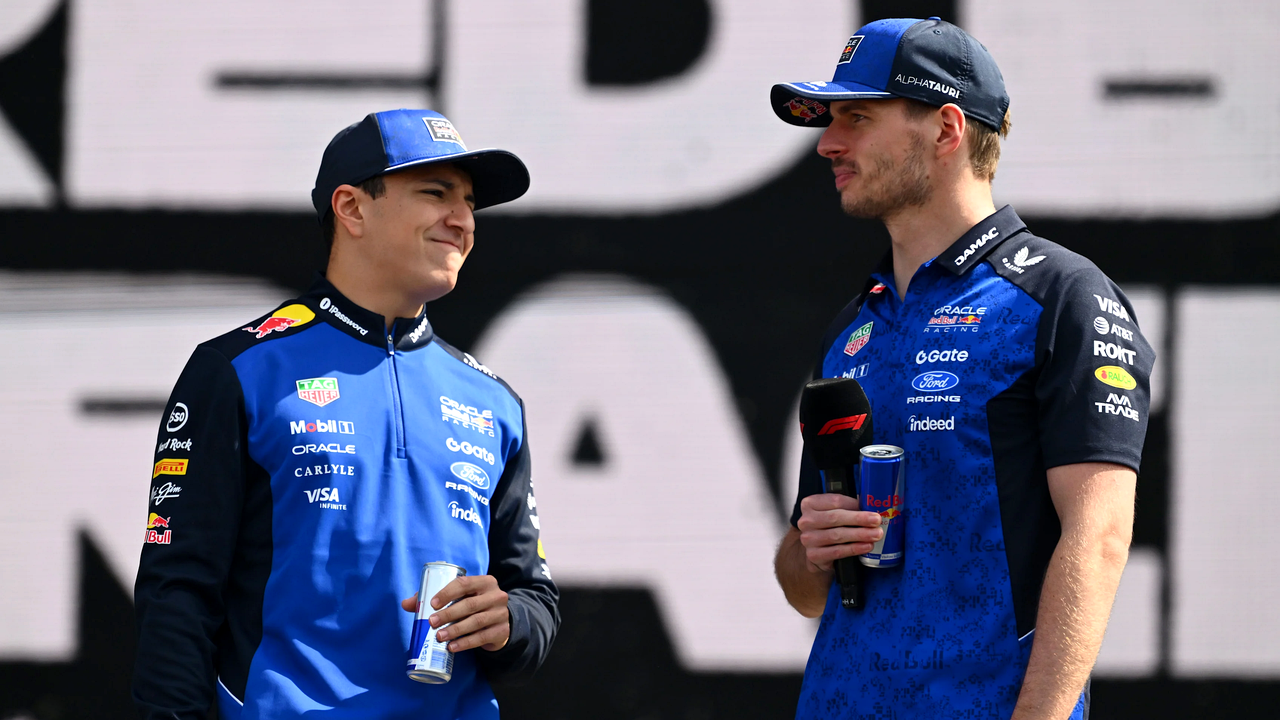
That is why the tone around Hadjar should stay measured. A single fast Saturday can create a loud story, but Red Bull need evidence that repeats. Clean practice plans, stable tyre feedback and fewer lost laps will matter as much as a headline grid place. If those parts keep improving, the team can treat his rise as development rather than a sudden spike that disappears under pressure.
Verstappen is a benchmark, not a shadow
Sharing a garage with Verstappen can make every result look harsher than it is. The champion finds lap time early, explains balance problems quickly and keeps pressure on engineers even when the result looks safe. Hadjar can use that standard without letting it reduce his own work to a weekly comparison. The better route is to copy the habits that travel: how Verstappen prepares exits, protects tyres and asks for changes in short, exact terms.
Red Bull also have a role in keeping the comparison useful. If every debrief becomes a question about why Hadjar is not Verstappen, the team will lose information. If the garage asks what he felt, where the rear moved and which corners cost confidence, the second car becomes a real development tool. That is the difference between a hard teammate and a harmful mirror.
| Hadjar note | Main note |
|---|---|
| Main task | Hadjar needs repeatable points more than one loud result. |
| Best lesson | Verstappen’s habits can help if the comparison stays practical. |
| Team value | A stable second car gives Red Bull more strategic cover on race day. |
Also read: Active aero makes the 2026 car a driver task, not a simple speed trick. More news: Antonelli’s Silverstone pain is a Mercedes lesson about rough weekends.
The wing issue made the lesson sharper
Silverstone did not give Hadjar a clean race sample. A front-wing problem changed the first stint and made the car harder to judge after the start. That kind of detail matters because a young driver can easily overreact when the balance feels wrong. Hadjar first had to decide whether the drop came from tyres, damage or his own rhythm. That is a difficult call in a fast race, and it is part of the education Red Bull are watching.
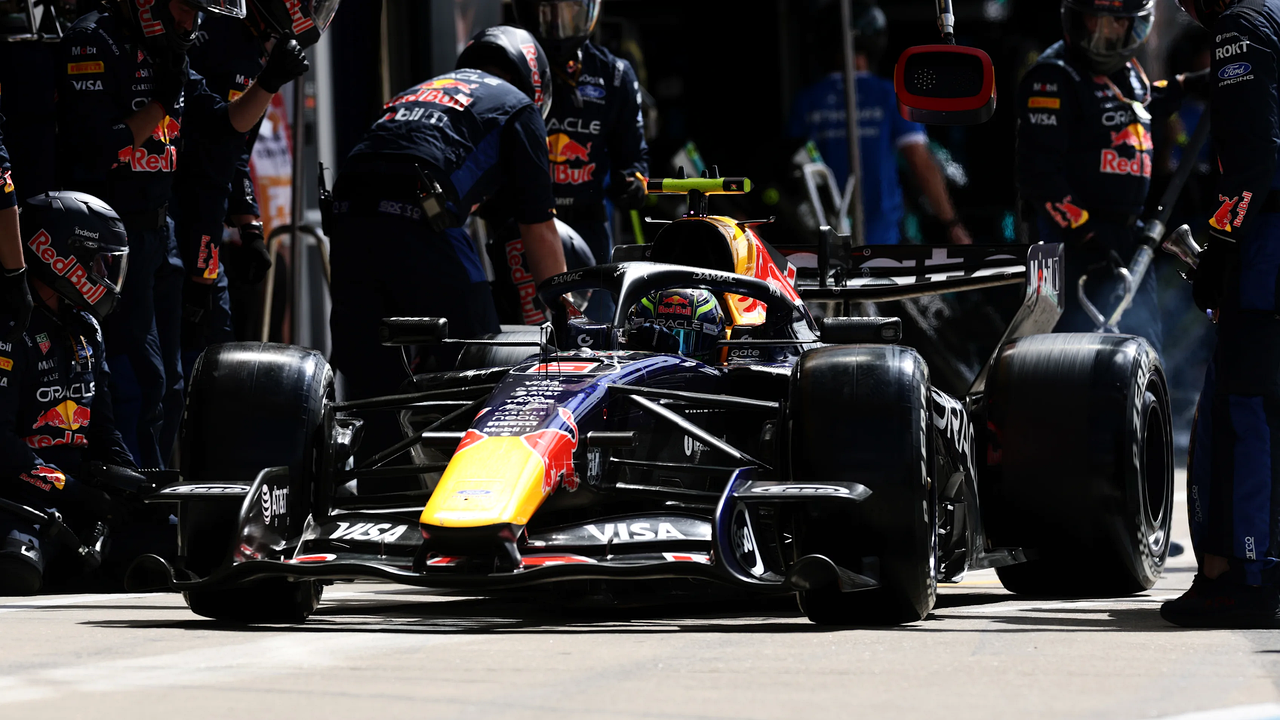
The positive sign was not only the pace before the problem. It was the way he stayed inside the race. A messy stint can invite mistakes in braking zones and radio messages. Hadjar kept enough order to give the team useful information. Red Bull will value that because a second driver who explains damage clearly can save the strategy group from guessing while the race is moving.
Points must become boring
The next step for Hadjar is simple to say and hard to do: make points feel normal. Red Bull do not need a heroic recovery every time. They need weekends where the second car starts in a sensible window, avoids the first-lap trap and finishes where the pace says it should. That kind of result rarely creates a dramatic headline, but it changes the constructors’ table across a month.
A reliable second points scorer also changes how rivals race Verstappen. If Red Bull have two cars close enough to affect strategy, opponents must cover more pit windows and cannot focus only on the lead car. Hadjar’s rise therefore has value beyond his own position. It can give the team a wider set of choices on Sundays, especially when McLaren, Mercedes and Ferrari split the front group.
The car still needs a calm driver
The RB22 has looked stronger in recent rounds, but it still asks for precision. A car that gains performance through a narrow balance window can feel quick for one run and nervous in the next. Hadjar needs to keep his driving language clear when that happens. If the front is weak, say that. If the rear overheats after three laps, separate that from a bad exit. Simple feedback is the fastest way to protect a young season.
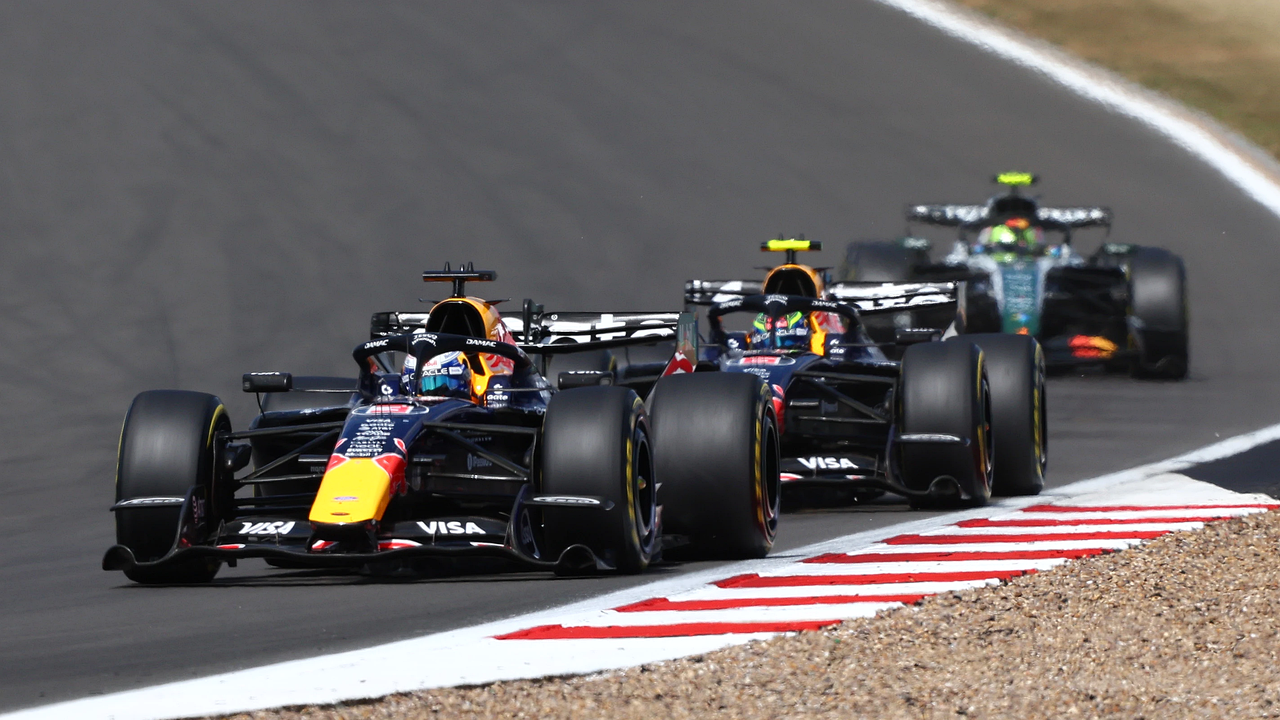
That approach also helps Hadjar avoid chasing Verstappen’s setup blindly. The same car can need different details for two drivers. A copy can be useful at the start of Friday, yet the final answer has to suit the driver who will race it. Red Bull’s best outcome is not a second Verstappen. It is a second car that can live near the same performance level in its own stable way.
The opportunity is still open
Hadjar has done enough to make the conversation serious. He has not done enough to make it finished. That is a good place for a rookie-style season inside a top team. The pressure remains high, but it now comes with proof that the seat is not too large for him. He has shown that he can qualify well, race with purpose and learn from the best driver in the building without disappearing.
The next races will show whether the progress has roots. If Hadjar keeps adding tidy points and avoids turning every setback into a crisis, Red Bull will have a stronger second pillar than they expected at this stage. The story then becomes practical: not how close he is to Verstappen today, but how much stronger the whole operation becomes when he is close enough to matter.
No Comments