
Kimi Antonelli left Silverstone with a result that was hard to accept. For Mercedes, the value now sits in how quickly the team separates a bad weekend from a bad direction.
A bad result can still teach clearly
Antonelli’s British Grand Prix became difficult for several reasons, and that is why Mercedes should avoid a lazy reading. A young driver can look exposed when a race falls apart, but the result alone does not explain the work. The team need to break the weekend into smaller pieces: start position, race balance, tyre feel, traffic, reliability and decision timing.
That process matters because Antonelli is not in the car only to survive. Mercedes put him there because they believe he can become a long-term front driver. A rough Silverstone does not change that idea by itself. It does, however, show how careful the learning plan must be when the pressure is public and every mistake feels louder than it should.

The car did not give him a calm platform
A young driver needs a car that lets him build trust through the first laps of a stint. When the balance moves around or the tyres refuse to settle, the job becomes much harder. Antonelli’s comments made that clear. The weekend did not feel like one clean problem with one clean answer. It felt like a set of issues that kept arriving before the previous one had been solved.
Mercedes therefore have two jobs. They must help the driver understand what he could have done better, and they must ask whether the car gave him enough support to do it. Those are different questions. If the team mixes them together, the debrief becomes emotional instead of useful. A good team protects the lesson from the frustration.
| Antonelli note | Main note |
|---|---|
| Main issue | Antonelli’s race became difficult through several linked problems. |
| Team job | Mercedes need a narrow debrief instead of a broad judgment. |
| Useful marker | Russell’s result gives data, but the comparison must stay detailed. |
Also read: Hadjar’s Red Bull rise now depends on calm comparison with Verstappen. More news: Leclerc’s Silverstone win gives Ferrari proof, not a finished answer.
Russell’s result keeps the scale honest
George Russell’s stronger finish is useful because it gives Mercedes a scale. It shows the car had enough performance for a better afternoon, but it does not prove that Antonelli’s problems were simple. Two drivers can experience the same car in different traffic, different tyres and different race moments. The comparison has value only when the detail is kept intact.
Russell also gives Antonelli a stable reference inside the garage. That can be difficult, because a teammate’s success makes a bad weekend feel worse. It can also be helpful, because the data shows where the car worked. Antonelli does not need to copy every Russell input. He needs to understand which habits made the Mercedes easier to manage.
Mercedes must keep the message narrow
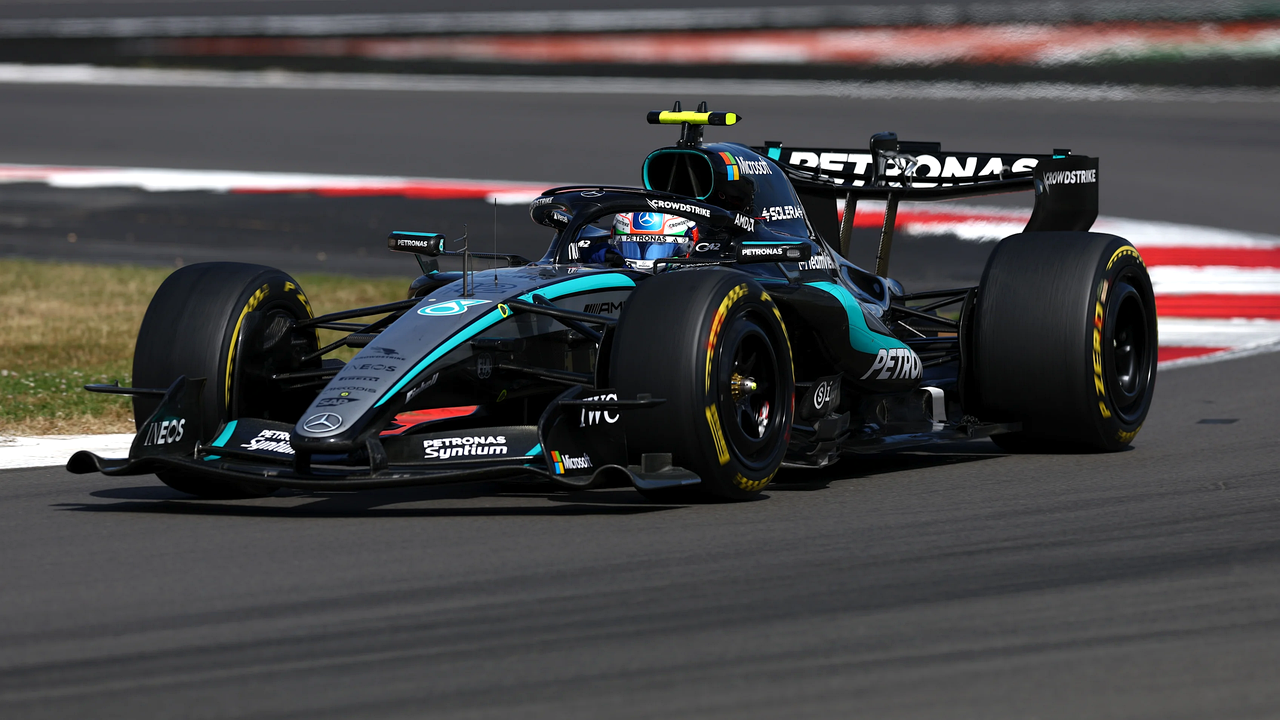
The worst response would be to turn one weekend into a wide judgment about the season. Mercedes should keep the message narrow. What was the first problem? Where did the race become unrecoverable? Which change would have saved the most time? Which mistake can be corrected before the next session? Those questions are less dramatic, but they are the ones that help.
Antonelli also needs that kind of clarity. A young driver under pressure can start trying to fix everything at once. That usually creates more errors. The better route is to choose one or two key targets and make them solid. If the next race brings a cleaner first stint and better tyre language, the lesson has already started working.
A difficult day can protect the future
There is a useful side to a painful race if the team handles it well. It reveals how a driver talks when the result is gone. It shows whether he blames too quickly, stays quiet too long or gives information that engineers can use. Antonelli’s development will depend on those days as much as on the exciting ones. Talent is easy to praise after a fast lap. Trust is built after a poor finish.
Mercedes have lived through enough title seasons to know that calm debriefs matter. They do not need to dress up the result. They need to make sure the driver leaves with a clear plan rather than a heavy feeling. That difference can decide how quickly a bad weekend disappears from the next one. The tone from the pit wall matters too. If the message stays calm, the driver can treat the next session as a reset. If the message becomes heavy, every small mistake starts to feel larger than it is.
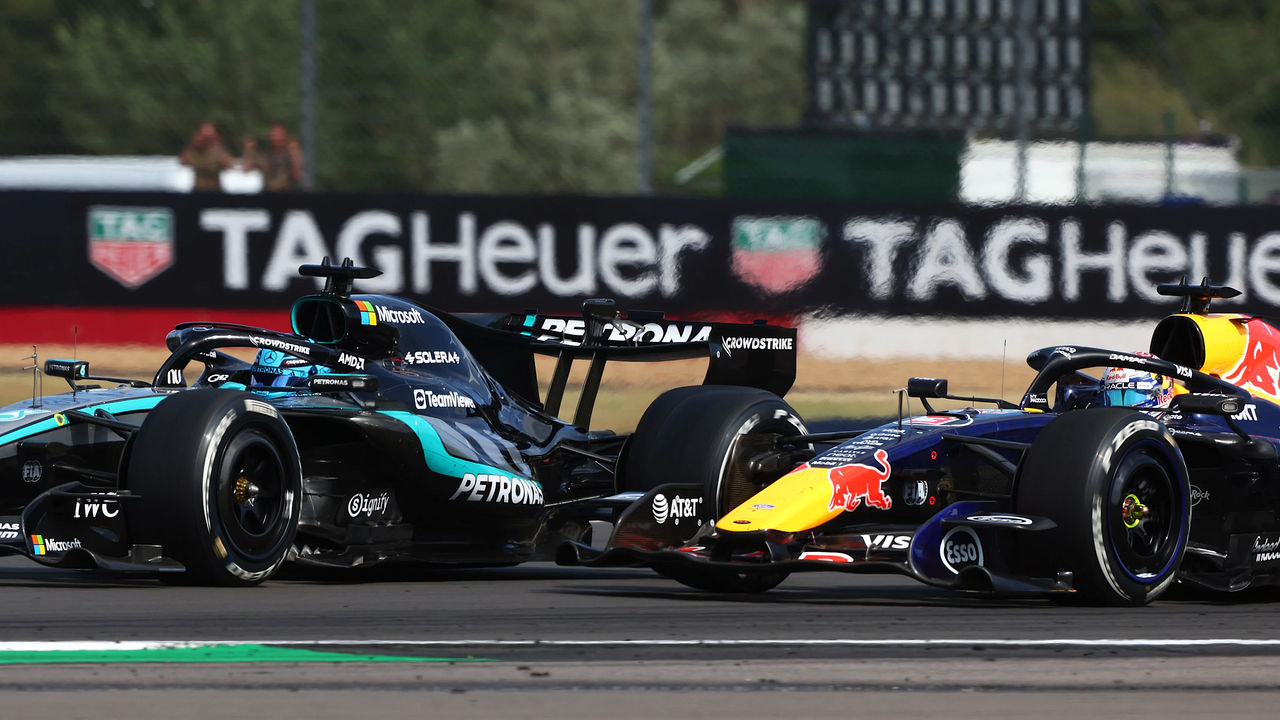
The response is now the real story
Antonelli’s Silverstone will not define his season unless the response becomes messy. The best answer is visible but not dramatic: cleaner practice runs, sharper tyre feedback and a race where he stays inside the points even if the car is not perfect. That would tell Mercedes the lesson has moved from the meeting room to the cockpit. It would also show the garage that the difficult weekend was handled as information, not as fear.
A young driver at Mercedes is always going to be measured hard. That is the cost of the seat. The team can still make the measurement fair. Silverstone hurt, but it also gave them a clear development checkpoint. The next step is to use it without letting it become a label. A clean reply in the next race would matter more than any long explanation after the debrief.
No Comments