
Formula 1’s 2026 rules have made active aerodynamics part of every racing lap. The cars are lighter and more adjustable, but the real change is how much drivers must manage while fighting.
The new wings change more than top speed
Active aero can sound like a simple straight-line tool, but the 2026 system is larger than that. The front and rear wings move between modes so the car can carry downforce in corners and reduce drag on straights. That means the driver is not only asking for speed. He is trusting the car to change shape at the right time and stay predictable when the lap moves from braking to turn-in.
The first risk is confidence. A driver can accept a slower car if it behaves in a known way. A car that changes its aero state must make those changes cleanly. If the switch arrives late, early or with a balance surprise, the driver loses trust before the stopwatch gives a clear answer. That is why teams will spend so much time checking how the system feels, not only what it gains.
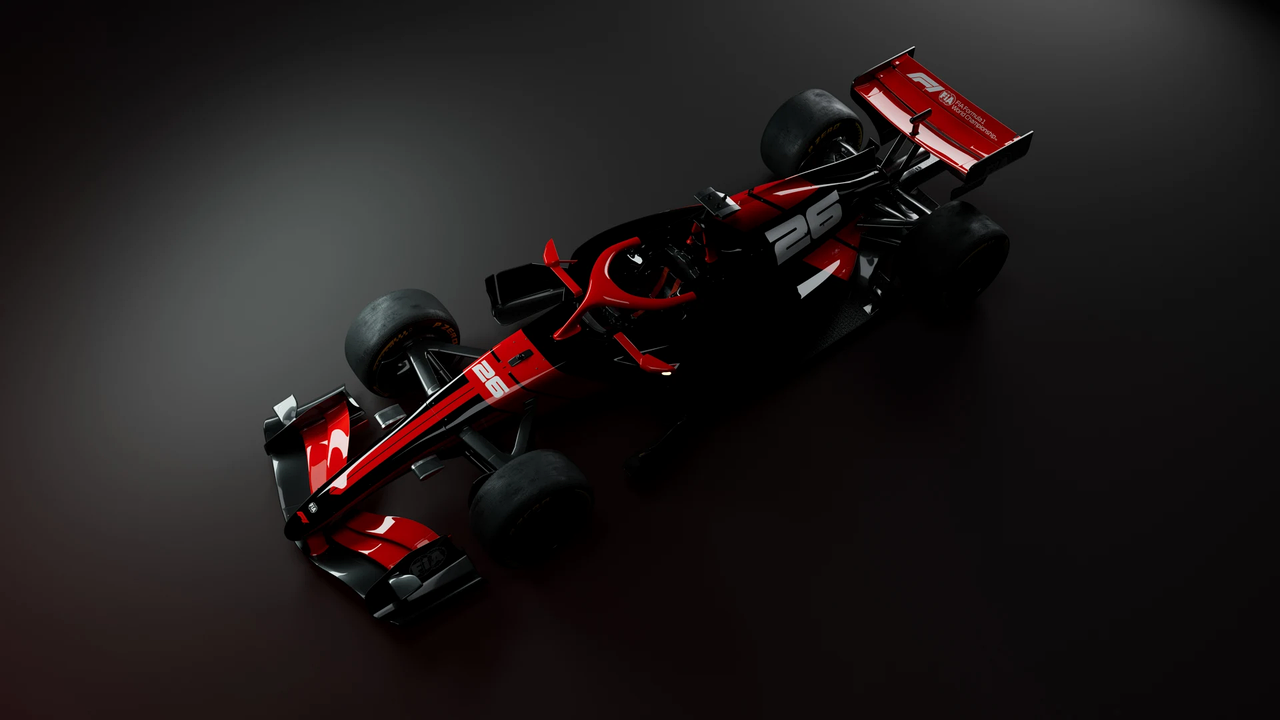
Corner mode and straight mode need timing
The language around the rules is easy to translate into driving. Corner mode is about grip, rotation and stability. Straight mode is about cutting drag and gaining speed when the car is not asking the tyres to hold a heavy lateral load. The challenge is the space between those two jobs. Most overtakes are prepared before the straight and finished under braking, so the timing must support both parts.
That will make driver inputs more important. A small lift, a different brake release or a steering correction can change how safe the car feels while the aero map is moving. Engineers can model the system, but the driver will still decide whether it is usable in traffic. The fastest version on paper may not be the fastest version when another car is throwing dirty air across the front wing.
| Active note | Main note |
|---|---|
| Main change | The wings now adjust across the lap instead of working as a simple drag tool. |
| Driver demand | Trust and timing will matter when the car moves between modes. |
| Early risk | Reliability and clear feedback can decide who uses the system with confidence. |
Also read: Goodwood gives F1 teams a public test away from the timing screen. More news: Hadjar’s Red Bull rise now depends on calm comparison with Verstappen.
Lighter cars should reward cleaner driving
The lower minimum weight and smaller dimensions should make the cars feel more agile than the heavy machines of recent seasons. That does not automatically make them easy. A lighter car can change direction better, but it can also react more sharply when the tyres are outside their window. Drivers who are smooth with brake pressure and steering should have more chances to protect the tyre without giving away too much lap time.
The narrower tyres add another layer. Teams cannot assume that a lower weight cancels every stress. The contact patch is different, the thermal behaviour is different and race stints will still punish sliding. The best drivers will be the ones who use the new agility without treating it as permission to attack every corner with the same force.
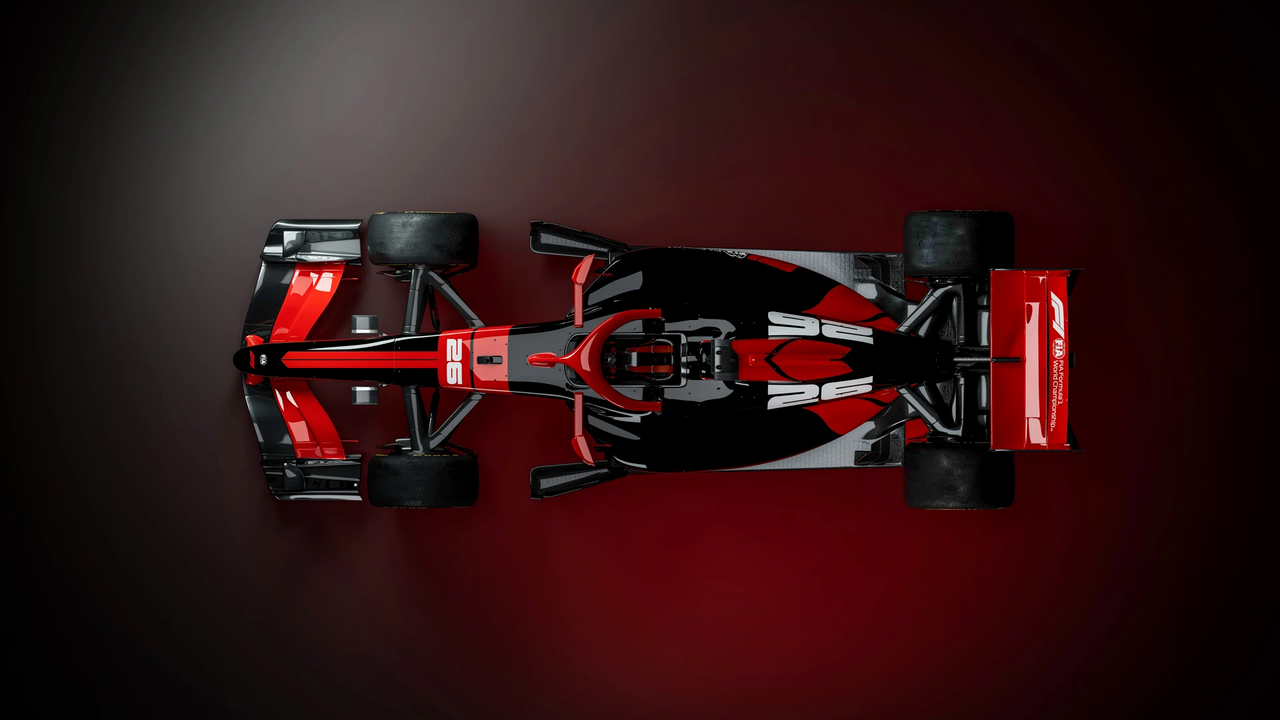
Overtaking will depend on energy as well as air
The new rules also change the way energy deployment supports a pass. Drag reduction is only one part of the move. A driver must decide where to spend electrical support, how to arrive close enough and how to avoid being weak on the following straight. That makes the race more layered than the old DRS-style chase, where the main question was often whether the car could get inside one second.
This can help the racing if the rules work as intended. Drivers may have more than one way to build a move, and defending may require more planning than simply covering the inside line. The danger is confusion for viewers if the tools are not explained clearly. F1 will need simple broadcast language so fans can understand why one car is fast at one point and vulnerable at the next.
Teams will chase reliability early
Moving aero parts bring a reliability demand. The system has to work at high speed, in heat, in wet conditions and after debris hits. A small failure can cost a race if the car gets stuck in the wrong mode. That is why early-season running in 2026 is not only a performance race. It is a test of sensors, actuators and software choices that must survive real weekends.
The teams that look calm may gain an advantage before the biggest upgrades arrive. If a driver trusts the system, he can brake later and position the car with less fear. If he does not trust it, he leaves margin in the lap. That invisible margin can be worth more than a small aerodynamic gain because it appears in every corner and every overtake attempt.
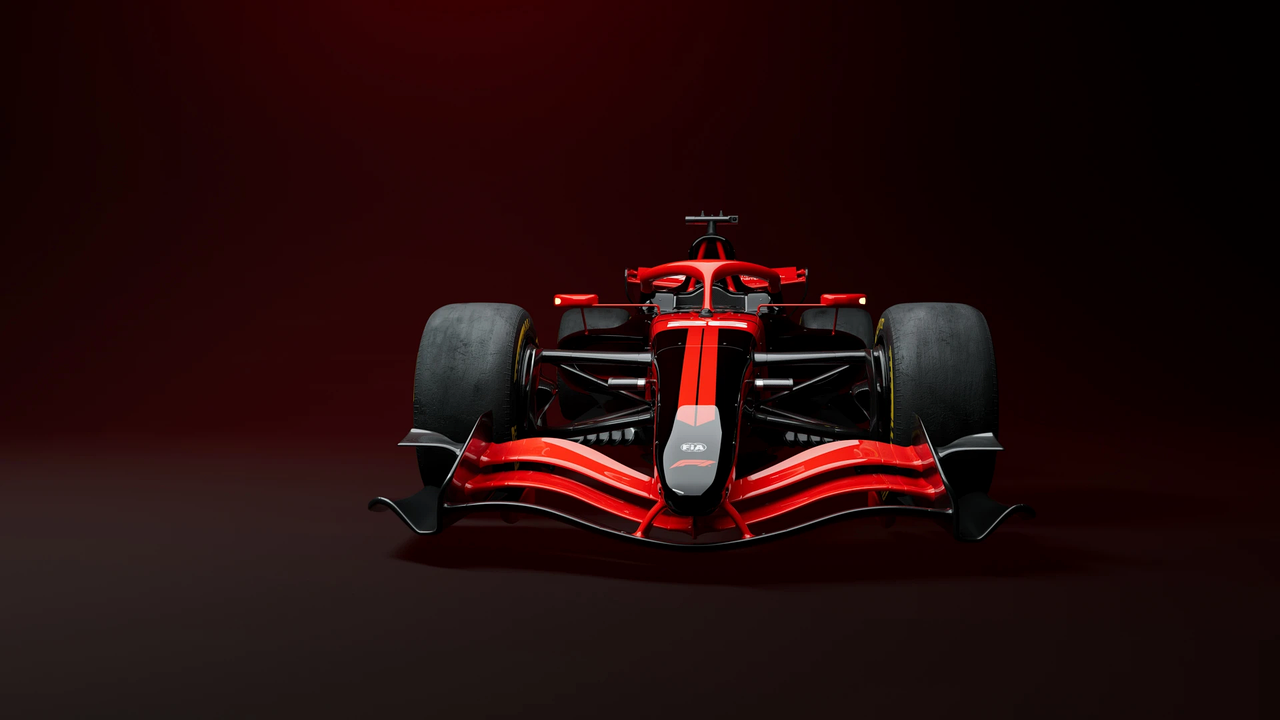
The best cars will feel simple
The strongest 2026 cars may not be the ones with the most aggressive mode change. They may be the ones that make the complexity feel quiet. A driver wants the car to respond naturally, even when the background system is doing a lot of work. If the hands and feet receive clear messages, the driver can race. If the car feels busy, the driver starts managing the machine instead of the opponent.
That is the real importance of the rule guide. It shows that the season is not only about smaller cars and new wings. It is about how teams turn those tools into something a driver can use at 300 kilometres per hour. The technology will be visible, but the winning edge may come from making it almost invisible from the cockpit.

No Comments