
Damon Hill says he learned an important Formula 1 lesson too late. A driver does more than work with engineers beside the car. Hill believes the wider team also requires a shared sense of purpose. He discussed the subject at the 2026 Goodwood Festival of Speed.
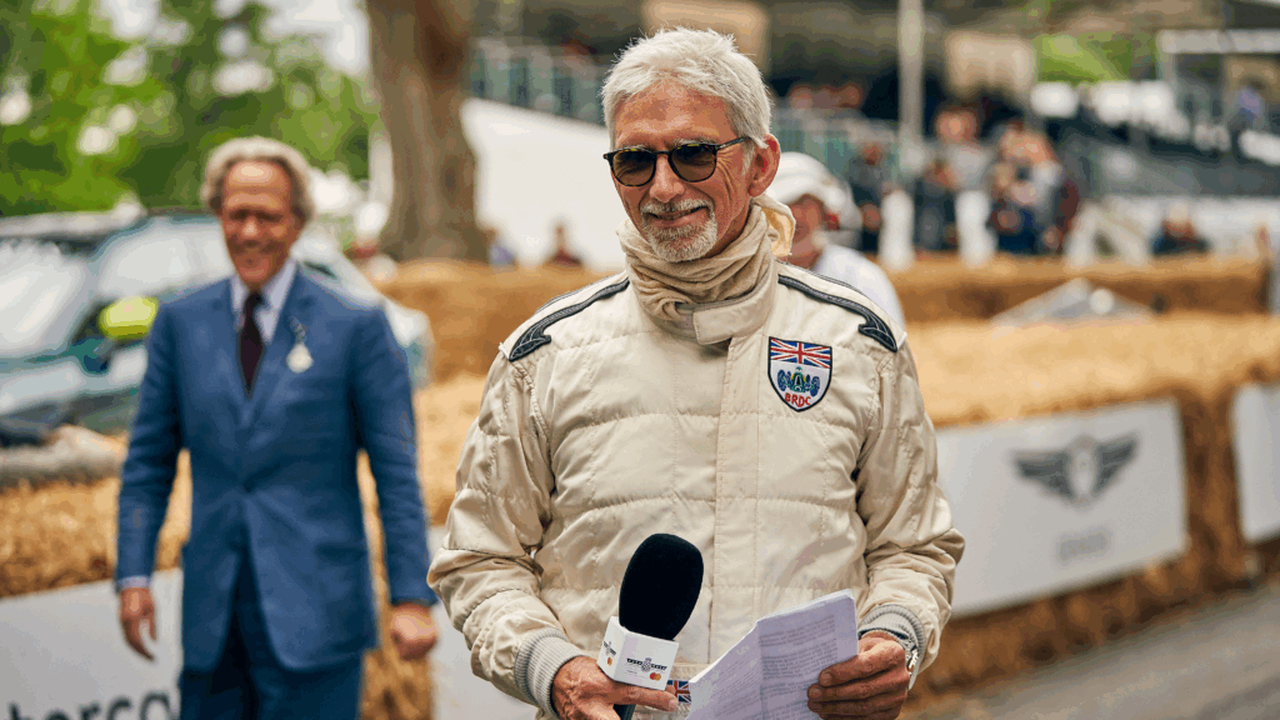
The 1996 world champion appeared on a live edition of the Up To Speed podcast. Williams team principal James Vowles joined the discussion. Hill looked back at his own title years and compared different forms of driver influence. He did not present a new technical rule.
Hill’s central point
Hill said he understood late that a driver has to galvanise people across the organisation. The race team sees the driver every weekend. Many factory employees work far from the circuit and rarely receive the same contact. Their contribution still shapes the car.
His comment was about connection rather than authority. The team principal and department heads continue to run the organisation. A driver offers a visible focus for their work. Hill believes he could have recognised that responsibility earlier in his career.
Hill’s 1996 title season gives weight to the reflection. He won eight races and secured the championship at the Japanese Grand Prix. Williams had already decided that he would leave after the season. Success and separation therefore existed at the same time. That history helps explain why he now looks beyond lap time.
The Williams setting
Hill raced for Williams from 1993 to 1996. He finished second in the championship twice before winning the title in his final season with the team. Williams also won the constructors’ championship in 1996. The success involved hundreds of people beyond the race garage.
His relationship with the team was not always simple. Williams decided before the title was secured that Hill would leave after 1996. That history gives his reflection a specific context. He was describing a lesson from real success and a difficult departure.
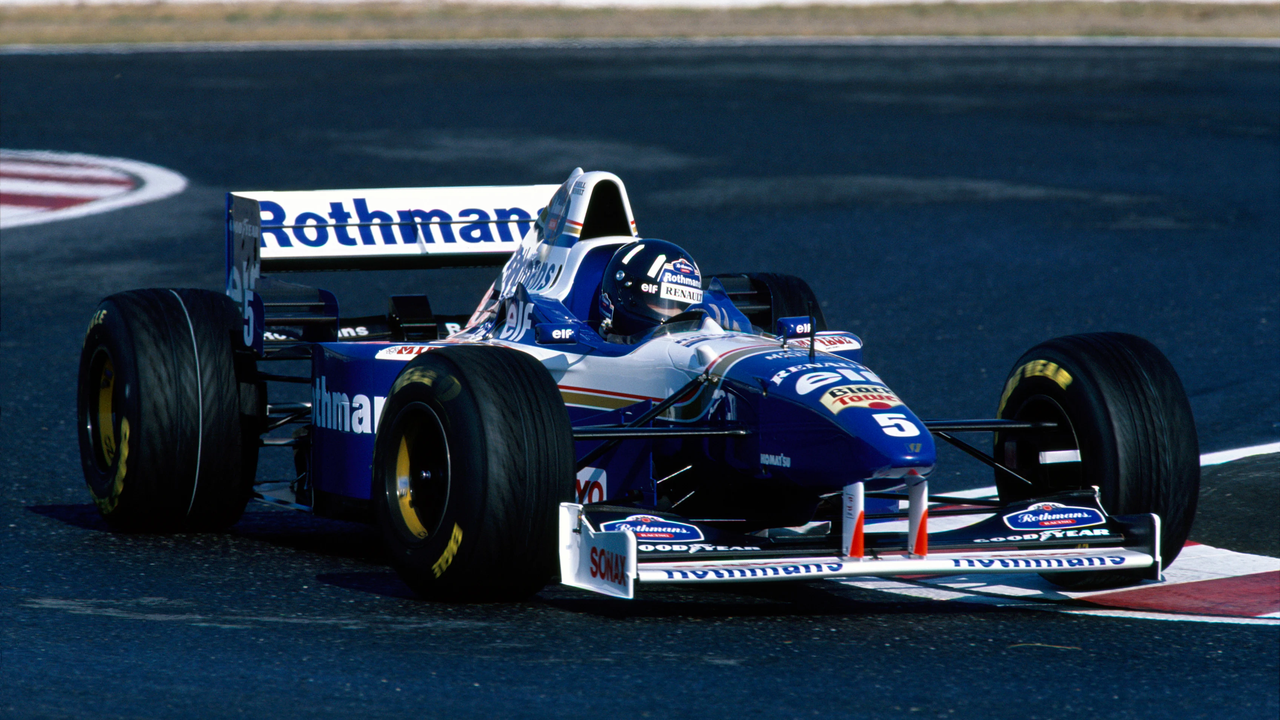
His next move to Arrows showed how different that place could feel. The team did not have Williams’ recent record, yet Hill nearly won the 1997 Hungarian Grand Prix before a late technical problem. He later joined Jordan and won the wet 1998 Belgian Grand Prix. Those seasons widened his view of how groups respond to pressure and opportunity.
Why factory staff entered the discussion
A Formula 1 car is designed, built and updated through many departments. Aerodynamics, vehicle dynamics, manufacturing and operations all contribute. The driver experiences the final product on track. Hill’s point was that feedback and recognition travel in both directions.
The current grid now turns toward the Belgian Grand Prix contender guide.
He did not claim that a speech replaces technical work. Engineers still rely on measurements, simulations and testing. The driver’s public role adds a human link to that process. It may help people understand how their work connects with the result.
Hill was speaking from memory, not issuing instructions to the present grid. Factory sizes, simulators and communication systems have changed since the 1990s. The central human point can still be understood without pretending the eras are identical. A driver sees only part of the workforce at a circuit, while many others contribute from the factory.
| Signal | Meaning |
|---|---|
| Speaker | Damon Hill, 1996 Formula 1 world champion |
| Setting | Up To Speed live podcast at Goodwood |
| Main point | Drivers also connect the wider team with the track |
Schumacher and Vettel as examples
Hill mentioned Michael Schumacher and Sebastian Vettel while discussing this quality. Both drivers became strongly associated with teams during championship periods. Schumacher built a long partnership with Ferrari. Vettel won four consecutive titles with Red Bull.
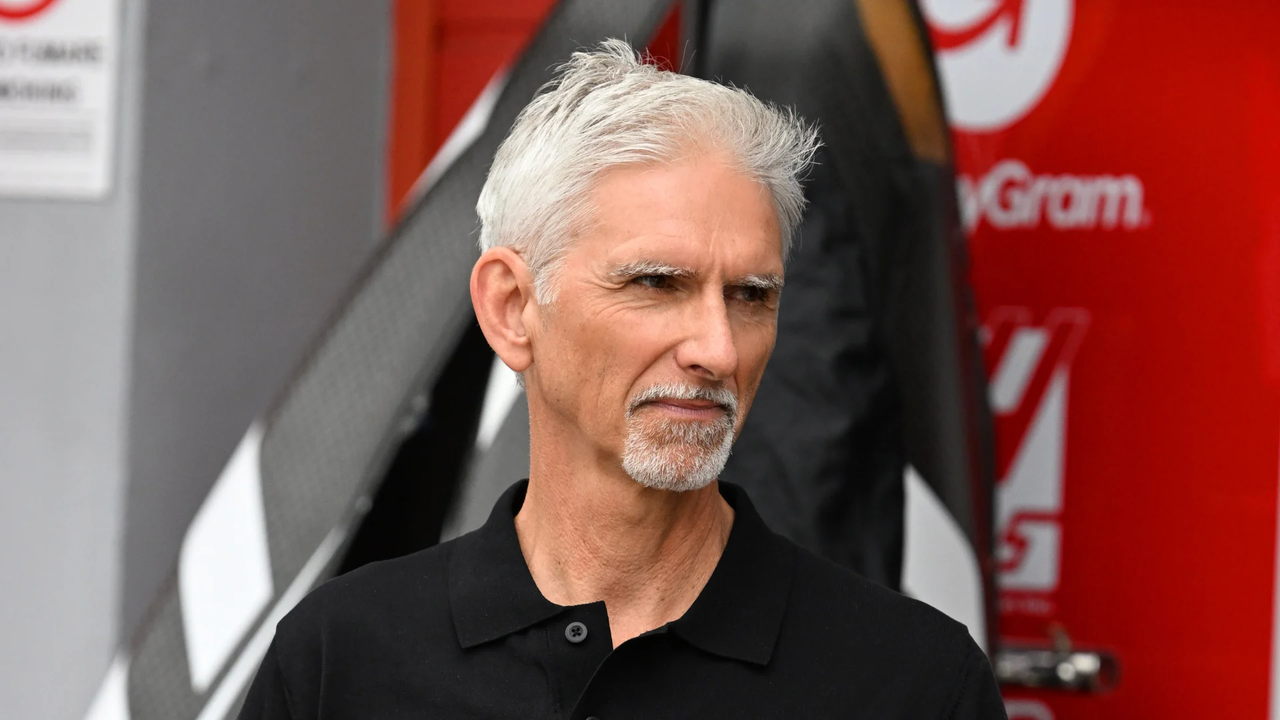
These champions came from different eras and teams. Hill used them to show a wider bond between driver and organisation. He did not claim that every champion behaves identically.
The examples of Schumacher and Vettel concern their long connection with successful organisations. Schumacher helped shape Ferrari’s title period, and Vettel became the central driver during Red Bull’s first championship run. Hill did not claim that either man worked alone. He used them to show how a driver can give many departments one visible competitive focus. Goodwood also marked the 30th anniversary of Hill’s title. He drove the Williams FW18 on the hillclimb during the event. Hill then appeared on the balcony with James Vowles on Sunday. His children surprised him there with the original trophy from the 1996 Japanese Grand Prix. The same car, race and team history therefore surrounded the discussion about leadership.
Vowles offered the modern team view
James Vowles joined Hill from his position as Williams team principal. Modern teams are larger and more specialised than those of the 1990s. Drivers now work with extensive data and communication staff. The basic distance between circuit and factory still exists.
Vowles is responsible for the current Williams structure, while Hill spoke as a former driver. Their roles gave the discussion two perspectives on the same organisation. Hill described what he learned in the cockpit, and Vowles added the view from modern team leadership.
A lesson tied to Hill’s career
The value of the story comes from its timing. Hill reached the highest result in Formula 1 and later identified something he would change. That does not rewrite the 1996 championship. It adds context to how he now understands the driver’s place.
His message was simple: the whole organisation contributes, and the driver represents its work on track. Hill wishes he had engaged with that role sooner. The statement belongs to his experience, not a universal formula for every team.

No Comments